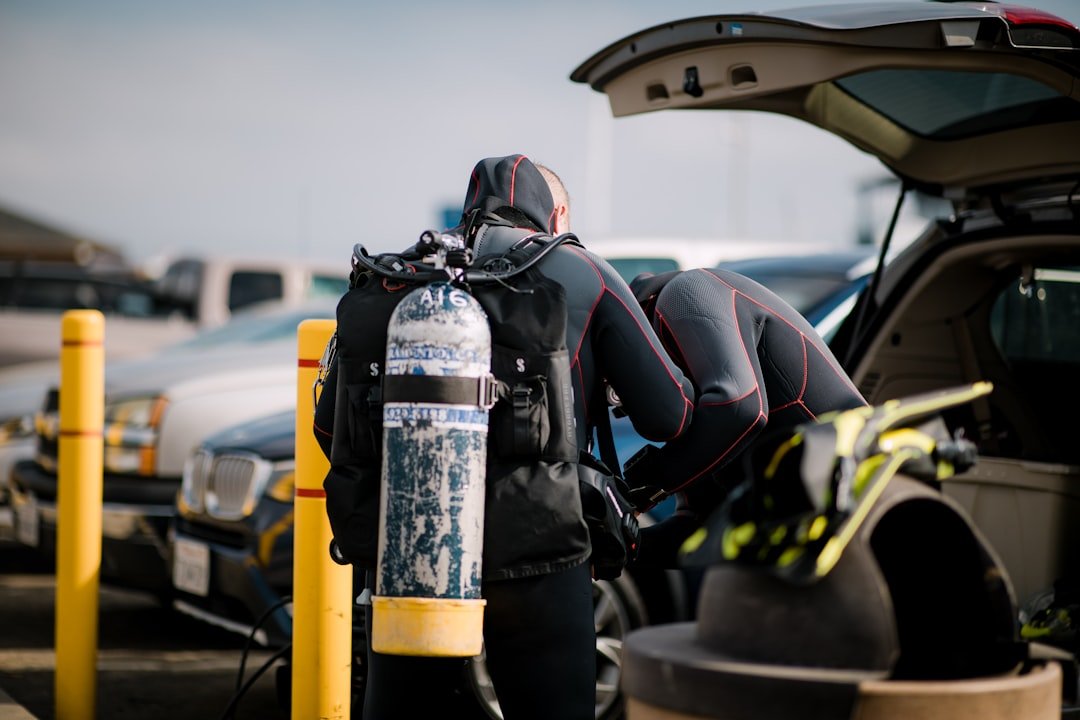
Your dive trip is confirmed. You’ve booked the destination, arranged time off work, and dreamed about those pristine reefs for weeks. Then reality hits: how do you actually pack your scuba gear without destroying it? The good news is learning how to make scuba gear travel proof isn’t complicated—it just requires the right approach. Most divers who travel with their own equipment make preventable mistakes that cost hundreds in repairs. This guide shows you exactly how to protect equipment on flights and arrive ready to dive within minutes of landing.
Why Travel with Your Own Gear?
Owning your own scuba equipment gives you control over quality, fit, and maintenance. Rental gear works in a pinch, but when you’ve invested in a properly fitted wetsuit, reliable regulators, and a comfortable BCD, leaving it home means diving with unfamiliar equipment. You also skip the rental desk line and avoid mystery stains on someone else’s gear.
Travel changes everything about how you handle that investment.
| Gear Item | Primary Risk | Travel Method | Protection Level |
|---|---|---|---|
| Regulator | Impact damage, pressure changes | Carry-on or packed case | High priority |
| BCD | Crushing, valve damage | Checked luggage with padding | Medium priority |
| Wetsuit | Wrinkles, moisture absorption | Carry-on rolled or checked | Low priority |
| Dive Computer | Pressure, impacts, screen cracks | Carry-on only | High priority |
| Mask and Fins | Lens cracks, strap breaks | Separate packed case | Medium priority |
How to Make Scuba Gear Travel Proof: The Core Strategy
You’d think bubble wrap solves everything—it usually doesn’t. I’ve been diving with the same regulators for years, and I’ve seen them survive rough baggage handling only to fail because of pressure changes in the cargo hold. How to make scuba gear travel proof starts with understanding what actually damages gear during travel. Regulators need breathing air inside them to prevent moisture invasion when cabin pressure drops. BCDs can rupture if crushed against hard objects. Masks crack when packed against something rigid. Your strategy depends on what you’re traveling with and how far you’re going.
Breaking this down:
Step 1: Understand Your Gear’s Vulnerability
Regulators and dive computers are pressure-sensitive. Wetsuits and fins are impact-sensitive. Everything is moisture-sensitive. When you board a plane, cargo holds are unpressurized until about 10 minutes before landing. This pressure differential can suck moisture into regulators and damage seals. Most people don’t realize this happens specifically between 22,000 and 35,000 feet.
Step 2: Prepare Your Regulator for Flight
Attach the regulator to your tank valve before packing. Close the tank valve tightly. This traps breathing air inside the regulator and prevents moisture from getting pulled in during depressurization. I’ve been traveling this way for over a decade without a single regulator failure.
Step 3: Pack Your Regulator in Carry-On Luggage
Regulators go in your carry-on bag, never checked luggage. Wrapping it in a moisture-absorbing cloth helps. If you’re flying through multiple connections, consider a small protective case designed for regulators. This keeps it stable during the flight and prevents accidental impacts in overhead bins.
Step 4: Protect Your Dive Computer
Your dive computer must travel in carry-on luggage. Pressure changes affect the internal sensor calibration slightly, though modern computers compensate automatically. Still, packing it loose in checked baggage risks pressure damage or screen cracks. Wrap it in soft cloth and place it in a small padded case inside your carry-on.
Step 5: Organize Your Checked Luggage Strategically
BCDs, wetsuits, fins, and masks go in checked luggage if necessary. Use a large mesh dive bag to contain everything. Padding matters more than you think. Wrap your BCD in soft material and place it at the bottom of the bag where it won’t get crushed. Put fins inside a separate small bag with padding on both sides. Masks go in hard cases, never loose. Wetsuits can be rolled tightly or folded and placed where they won’t absorb moisture from other items.
Here’s where most divers give up—they underestimate the importance of internal organization.
Practical Packing Checklist for How to Make Scuba Gear Travel Proof
- Attach regulator to tank valve and close valve completely before packing
- Place regulator in a small protective case inside your carry-on bag
- Pack dive computer in soft cloth and a padded case in your carry-on
- Wrap BCD in moisture-absorbing material and place at the bottom of your checked bag
- Pack mask in a hard protective case, never loose in luggage
- Place fins in a separate padded bag to prevent strap and blade damage
- Roll your wetsuit or fold it into a compression bag to save space
- Use a mesh dive bag to organize all checked gear in one place
- Add desiccant packets to your checked luggage to absorb moisture
- Keep receipts and photos of your gear in case of airline damage claims
Advanced Tips for International Travel
Flying overseas with scuba gear requires extra caution. Salt water corrodes metal regulators faster than freshwater, so if you’ve been diving in the ocean before traveling, rinse everything thoroughly with fresh water and let it dry completely. Corrosion can start during the flight if your gear retains even traces of salt. I’ve seen so many divers pack wet wetsuits or damp gear and end up with mildew or corrosion that ruins their trip.
Pressure changes are more extreme on long international flights. Flying from sea level to 37,000 feet and back stresses your gear’s seals more than regional hops. Pack your regulator with extra care on these journeys. Consider shipping expensive gear like high-end BCDs or regulators to your destination ahead of time if you’re traveling for multiple weeks. This eliminates airline damage risk entirely and reduces carry-on weight.
Know your airline’s baggage policy before you book.
Most carriers allow one scuba tank in checked luggage if it’s been emptied and has the valve cap installed. Some require you to declare it at check-in. A few budget airlines don’t allow tanks at all. How to make scuba gear travel proof also means understanding what your specific airline permits, so check their website directly.
What Happens If Your Gear Gets Damaged?
Airlines compensate damaged baggage, but only if you file a claim immediately. Take photos of all your gear before packing and photograph any damage the moment you discover it. Keep all receipts for equipment purchases. Include these with your damage claim. Most airlines require claims within 24 hours of arrival, so don’t wait.
Travel insurance that covers sports equipment often reimburses gear damage, but read the policy carefully. Some policies exclude diving equipment entirely. Others require you to use airline-approved packing methods.
My Picks for This
- Zeagle Scope Dual Lens Mask — Hard protective case included, durable construction withstands pressure changes and airport baggage handling without lens cracks.
- Cressi Palau Fins — Compact foldable design fits easily into padded luggage without taking up excessive space while maintaining blade integrity during travel.
- Scubapro Hydros Pro BCD — Lightweight and compressible without compromising durability, making it ideal for travelers who need how to make scuba gear travel proof without excessive bulk.
- Shearwater Peregrine Dive Computer — Robust pressure-resistant design handles cabin altitude changes and includes a protective case for carry-on travel.
- DiveLodge Regulator Carrying Case — Custom-fitted case designed specifically to protect regulators during flights and prevents moisture ingress during depressurization.
Frequently Asked Questions (FAQ)
Q1. Can I pack my regulator in checked luggage?
No. Always pack your regulator in carry-on luggage. Checked luggage experiences extreme pressure changes and rough handling that damages pressure-sensitive components. Keeping it with you ensures it arrives safe and ready to breathe.
Q2. Do I need to empty my dive tank before flying?
Yes. Most airlines require tanks to be completely empty with the valve cap installed and sealed. An empty tank with the valve closed can sometimes travel as checked luggage, but you must verify this with your specific airline before booking.
Q3. Should I buy travel insurance for my dive gear?
It depends on your equipment’s value. If your regulator, computer, and BCD total more than your homeowner’s or renter’s insurance deductible, travel insurance makes sense. Read the fine print to ensure diving equipment is actually covered.
Q4. How do I prevent mildew in my packed wetsuit?
Rinse your wetsuit with fresh water and let it dry completely before packing. Include desiccant packets in your luggage to absorb moisture during travel. Never pack a damp or wet wetsuit—mildew starts within 24 hours in humid conditions.
Q5. Can I bring my dive computer through airport security in carry-on?
Yes. Dive computers are allowed in carry-on bags through security screening. They don’t contain restricted materials and won’t trigger alarms. Wrap it in soft cloth to protect the screen and pack it in your carry-on before reaching the security checkpoint.
Q6. What’s the best way to pack multiple regulators?
Attach each regulator to its own tank valve with the valve closed, then place each unit in a separate small protective case. This prevents regulators from knocking against each other in your carry-on. Group them together in one section of your bag for easy location if security asks to inspect them.
Final Thoughts on Protecting Your Investment
How to make scuba gear travel proof comes down to understanding what damages it and taking deliberate steps to prevent that damage. Your regulator stays in carry-on with air inside. Your computer travels with you too. Your BCD and fins get wrapped and organized in checked luggage with padding around them. Most divers who follow this approach arrive at their destination with fully functional gear ready for immediate use.
The difference between damaged equipment and smooth diving starts at home, before you ever leave for the airport.
Related posts
This post is for informational purposes only and does not constitute professional diving instruction, medical advice, or travel guidance. Scuba diving involves inherent risks — always train with a certified instructor and consult a physician before diving. Prices, product specs, dive site conditions, operator schedules, and entry requirements are subject to change without notice. Always verify current details directly with manufacturers, retailers, dive operators, and local authorities. This site may contain affiliate links — purchases made through our links may earn us a commission at no extra cost to you.