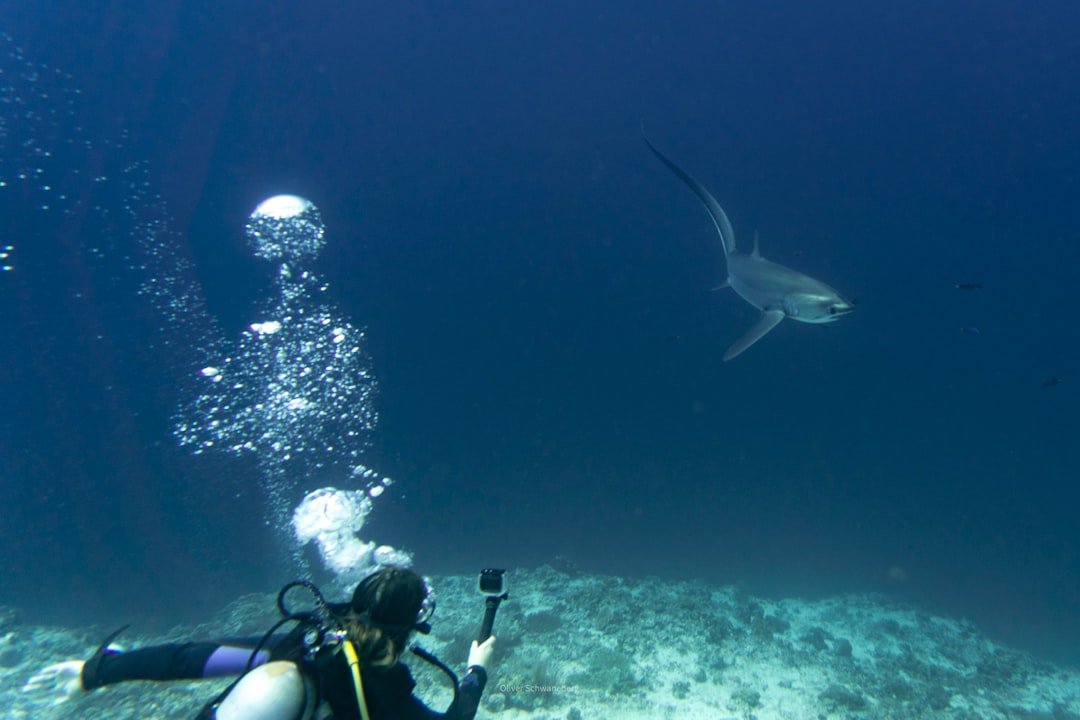
If you’re torn between GoPro vs Insta360 for diving, stop. One camera outperforms the other for recreational underwater use—but not always in the way you’d expect. I’ve been diving with both for years, and the answer depends entirely on what you’re filming and how deep you’re going. GoPro vs Insta360 for diving isn’t really about which brand wins; it’s about matching the right tool to your dive style.
Quick Comparison: GoPro vs Insta360 for Diving
| Factor | GoPro Hero Series | Insta360 X4 |
|---|---|---|
| Video Resolution | Up to 5.3K | Up to 8K |
| Field of View | Wide to Superview | 360-degree immersive |
| Native Waterproof Depth | 33 feet without housing | 33 feet without housing |
| Low-Light Performance | Strong image stabilization | Excellent in murky water |
| Editing Flexibility | Standard angle selection | Reframe footage in post-production |
Which Camera Is Better Underwater: Real-World Testing
You’d think higher resolution equals better underwater footage. It usually doesn’t. At 60 feet down, water absorbs reds and yellows before they ever reach your lens. Most people don’t realize this, so they waste money on specs that don’t translate to usable footage in actual dive conditions. Both GoPro vs Insta360 for diving handle color correction differently, and that gap matters more than megapixels.
GoPro’s strength lies in linear, action-oriented footage. Divers using a GoPro Hero get frame-perfect stability, punchy colors after color correction, and footage that cuts cleanly into travel videos or social media reels. I’ve been diving with this setup, and the footage looks almost identical whether you’re at 30 feet or 100 feet—the camera adapts consistently. But here’s the catch: you’re locked into one angle during capture. You can’t pan sideways to catch that turtle unless you physically move the camera.
Insta360 X4 records everything around you simultaneously.
That 360-degree capture means you can reframe and reposition footage months after the dive. You film once, edit ten different angles later. For divers who love nuance and creative control, this is transformative. Most recreational divers ditch the 360 learning curve after the third dive though, so don’t buy this camera expecting an instant win. The editing software demands time you might not have.
Durability and Depth Rating: What Actually Matters
Both cameras ship with a native waterproof rating down to 33 feet without additional housing. Beyond that depth—say, 80 feet or deeper—you need an aftermarket rigid case for either option. GoPro’s housing ecosystem is older and cheaper. Insta360 housings work, but expect to hunt for compatibility versions. Here’s where most divers give up: they buy a camera without checking whether housings exist for their target depth. If you’re diving to 130 feet regularly, verify housing availability before checkout.
Corrosion is the real enemy though. Salt water kills electronics faster than depth does. Both cameras need a thorough freshwater rinse after every ocean dive, and the seals need inspection monthly. I’ve seen so many divers skip this step and watch their $400 camera fail within a season. Treat the rinse ritual as non-negotiable.
Checklist: Before You Buy a Dive Camera
- Confirm your target maximum depth and verify housing availability for both camera brands
- Test color correction software for both systems on actual underwater footage, not marketing clips
- Check if your dive computer or wrist mount setup accepts GoPro vs Insta360 for diving attachments without adding bulk
- Calculate post-production editing time—360 footage takes 3–5 times longer than linear video
- Plan your freshwater rinse routine and identify where you’ll store the camera between dives
- Watch real user reviews filmed at your intended depth, not manufacturer promotional content
Step-by-Step: How to Choose Between These Two
Condition: You’re actively diving 2–4 times monthly at depths between 40–100 feet and want to document the experience.
Audience: Recreational divers aged 25–50 who value usable footage over technical specs.
Method: Evaluate your editing bandwidth, shooting style, and depth requirements against each camera’s actual workflow.
- Write down your three deepest planned dives this year and verify housing options exist for both brands at those depths.
- Watch unedited footage from both cameras filmed at your intended location—reefs, wrecks, or open water—and note which color grading feels natural to your eye.
- Rent or borrow each camera for one dive before purchasing; 20 minutes in the water reveals learning curves that reviews never mention.
- This is the part that actually matters: calculate honest editing time each week and decide if 360-degree reframing justifies the software learning curve for your workflow.
- Compare total cost including housings, mounts, memory cards, and any editing software subscriptions specific to each system.
- Commit to a freshwater rinse protocol now—set a phone reminder if needed—because corrosion damage erases any camera advantage within months.
My Picks for This
- GoPro Hero 12 Black — Industry standard action camera with proven depth performance and the most mature third-party housing ecosystem for recreational diving.
- Insta360 X4 — 360-degree capture lets you reframe angles in post-production, perfect for divers who want creative flexibility and have editing experience.
- Olympus Tough TG-7 — Compact point-and-shoot alternative with 50-foot native waterproof rating and zero housings needed up to moderate recreational depths.
- Nauticam housing for GoPro — Premium rigid case rated to significantly deeper depths with ergonomic controls designed specifically for dive environments.
- Telesin battery pack for Insta360 — Extended runtime solution for multi-dive days without returning to the boat for charging.
Frequently Asked Questions (FAQ)
Q1. How much does underwater housing cost for GoPro vs Insta360 for diving?
Aftermarket rigid housings typically range from $150–400 depending on depth rating and build quality. Budget housings exist cheaper but often develop seal issues quickly. Verify the specific housing matches your camera model and target depth before ordering.
Q2. Which camera works better in murky or low-visibility water?
Insta360 X4 generally produces cleaner footage in low-light conditions because its dual-lens design captures more ambient light. GoPro compensates with aggressive noise reduction, which can look overly smoothed in poor visibility. Test both if visibility below 30 feet is your primary dive scenario.
Q3. Can I use a GoPro or Insta360 for underwater photography instead of video?
Both shoot still images, but neither replaces a dedicated mirrorless or DSLR camera with macro lenses for serious underwater photography. Use these action cameras for video-first capture and environmental stills only.
Q4. Do I need a separate housing for freshwater diving versus saltwater diving?
No. Use the same housing for both environments. The difference is cleaning frequency—saltwater demands rinses after every dive, while freshwater lakes need cleaning only when visibly dirty or monthly as preventative maintenance.
Q5. How long do batteries actually last during a typical dive?
Most action cameras provide 60–90 minutes of continuous 4K recording under ideal conditions. Cold water and depth reduce battery life noticeably. Bring two fully charged batteries or extend runtime with external packs if you’re diving multiple sites in one day.
Q6. Is GoPro vs Insta360 for diving worth it if I’m just a beginner?
Start with a budget action camera or your smartphone in a waterproof case on your first 5–10 dives. Learning to manage buoyancy, propulsion, and situational awareness deserves your full attention before adding camera gear complications to your workload.
This post is for informational purposes only and does not constitute professional diving instruction, medical advice, or travel guidance. Scuba diving involves inherent risks — always train with a certified instructor and consult a physician before diving. Prices, product specs, dive site conditions, operator schedules, and entry requirements are subject to change without notice. Always verify current details directly with manufacturers, retailers, dive operators, and local authorities. This site may contain affiliate links — purchases made through our links may earn us a commission at no extra cost to you.