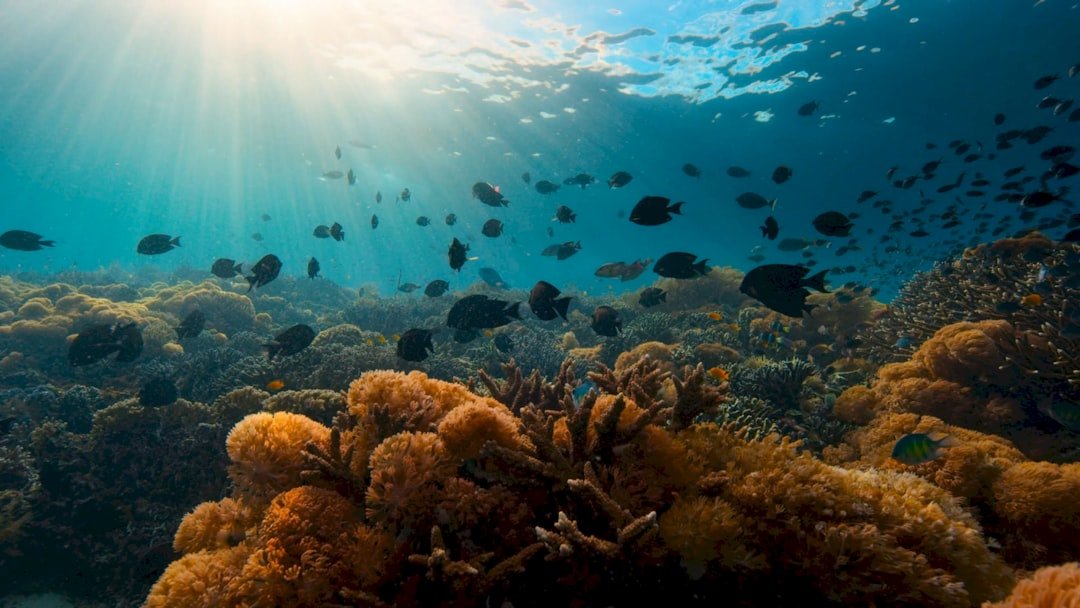
The best diving in the Bahamas isn’t just about the scenery — it’s about the moment a reef shark glides past your mask in water so transparent you can see 150 feet down. Whether you’re chasing the best diving in the Bahamas for the first time or planning your fifth liveaboard, you need to know exactly where to go, what gear matters, and whether you’re ready for what you’ll see down there.
Why the Bahamas Stands Out for Recreational Divers
Most people don’t realize the Bahamas isn’t one dive destination — it’s dozens of them stacked across 700 islands. The best diving in the Bahamas means different things depending on what you want. You want sharks? Walkers Cay or the Exuma Cays. You want wrecks? The Out Islands. Coral gardens? Andros. The visibility here hits 120 to 150 feet on good days, and you don’t need a tech diver card or a rebreather to experience it.
I’ve been diving with most of the major operators in the Bahamas for years, and what separates good trips from unforgettable ones comes down to three factors: water clarity, operator reputation, and the mix of dives offered.
| Region | Best For | Water Clarity | Shark Activity | Liveaboard Available |
|---|---|---|---|---|
| Exuma Cays | Reef sharks, mixed coral, accessible wrecks | 100–150 feet | High (reef sharks daily) | Yes |
| Walkers Cay | Shark feeds, pelagic encounters, advanced sites | 80–120 feet | Very high (multiple species) | Yes |
| Andros | Wall diving, sponge gardens, big blue holes | 100–180 feet | Moderate | Limited |
| Out Islands (Eleuthera, Harbour Island) | Wrecks, wall diving, macro photography | 90–140 feet | Low to moderate | Yes |
| Bimini | Shallow reefs, Atlantis ruins, beginner-friendly | 60–100 feet | Low | No |
Clear Water and Visibility: What You Need to Know
You’d think clear water in the tropics is guaranteed — it usually isn’t. The Bahamas does better than most Caribbean destinations, but conditions shift fast. Summer brings warmer water and occasional plankton blooms that cut visibility in half. Winter and spring deliver the clearest water, with January through April offering the best odds for that movie-theater visibility everyone talks about.
I’ve seen so many divers show up expecting 150-foot visibility and finding 80 feet instead. Timing matters. Late spring through early summer, visibility can drop to 60–80 feet in some areas, especially after storms. The best diving in the Bahamas happens when you plan around seasonal patterns.
Most liveaboard operators position boats to chase the best water each season. Northern sites like Walkers Cay hold clarity better in winter. Andros and the Exuma Cays stay clearer longer into summer because of stronger currents that flush out sediment.
Shark Encounters: What Really Happens Down There
Sharks in the Bahamas are predictable. You’ll see them at nearly every site. Caribbean reef sharks, blacktips, and occasionally nurse sharks are standard. Some operators run structured shark feeds — controversial among purists, thrilling for most recreational divers. You don’t need specialized training, but you do need respect for the rules your divemaster sets.
Have you ever been nervous about your first shark encounter? Most divers are. Reality check: they’re not interested in you. Sharks investigate quickly and move on. The best diving in the Bahamas leverages this fact with multiple shark sightings per dive, not attacks. Walkers Cay sees galapagos sharks, bull sharks, and reef sharks on the same dive. Exuma offers consistent reef shark encounters without the intensity.
What separates good shark diving from stressful shark diving is knowledge. Know what species you might see. Understand that reef sharks show curiosity, not aggression. Respect the divemaster’s position in the dive. Most important: bring good buoyancy control.
Liveaboard Options and What to Expect
Liveaboard diving in the Bahamas means waking up already at dive sites that day boats can’t reach. You get 4 to 5 dives daily instead of 2. Better still, you skip the motorbike ride to the dock and the seasickness that comes with bouncing across rough water for an hour each morning.
Most liveaboard vessels in the Bahamas run 5- to 7-day trips. They sleep between 12 and 50 divers depending on the boat. Smaller boats feel more intimate but hit smaller sites. Larger boats cover more variety and offer better amenities. Where you dive determines which boat makes sense. Walkers Cay liveaboards focus on shark encounters and advanced reef dives. Exuma Cays boats serve mixed skills and include wrecks like the Thunderbolt. Out Islands boats chase wall diving and photography.
I’ve been diving with liveaboard operators across the Caribbean for years, and Bahamas boats rank high for value. You’ll pay somewhere in the range of moderate to premium pricing depending on the vessel and season, and you’ll log 20 to 25 dives per week instead of 8 to 12 on day trips. The math works.
One real advantage most divers overlook: night dives. Liveaboards run them nightly. You see creatures you’ll never see on daytime dives. Octopus, sleeping parrotfish, aggressive mantis shrimp. The best diving in the Bahamas includes the underwater world after dark.
Pre-Dive Checklist: What to Verify Before Booking
- Check the operator’s safety record and read recent trip reports from independent review sites
- Confirm your certification level matches the dive sites offered — Advanced certification covers most Bahamas sites, but some go deeper
- Verify whether the boat includes shark feed dives or marks them as optional
- Ask about on-site training opportunities if you’re looking to complete additional certifications
- Review the recent visibility reports for your chosen region and season
- Confirm what gear is included versus what you need to bring or rent
- Check whether the operator accepts computer nitrox diving or requires air-only profiles
How to Prepare for the Best Diving in the Bahamas
- Condition: You’ll be diving 4 to 5 times daily on a liveaboard or 2 times daily on a day boat. Your body adapts after the first day, but fatigue is real, especially if you’re not used to tropical heat and multiple descents.
- Audience: Recreational divers with at least Open Water certification and solid buoyancy control do best. Advanced certification gives access to deeper sites and gives you confidence around sharks.
- Method: Most operators teach specific skills before shark dives or advanced reef dives — shark protocol, hand signals for tight spaces, current navigation. This is the part that actually matters.
- Steps: First, book your trip 2 to 3 months in advance to secure your spot and lock in dates. Second, email the operator with your dive log book to confirm they’ll accept your experience level. Third, review the dive briefing materials they send — learn site names, what to expect, where currents flow. Fourth, pack your own regulators, BCD, computer, and lights if you own them — rental gear here ranges from well-maintained to sketchy. Fifth, arrive two days early if possible to acclimate, do a checkout dive, and dial in your weighting.
- Warnings: Here’s where most divers give up: they come unprepared for nitrogen narcosis at deeper sites. Even at 100 feet — shallow for Andros — narcosis shows up. Breath control, buoyancy, and mental focus matter. Also, currents around the Exuma Cays can surprise you if you’ve never dived with moving water before. Ask your divemaster in the briefing. And don’t overpack your dive computer logs with too much nitrogen time early in your trip — surface intervals matter when you’re stacking multiple dives daily.
My Picks for This
- Shearwater Teric — Compact, readable in bright sunlight, handles nitrox and air profiles without fuss on liveaboard trips.
- Scubapro Hydros Pro BCD — Fits well in rental sizes, trim is intuitive, and the integrated weight system keeps you balanced through multiple dives per day.
- Apeks MTX-R Regulator — I’ve been diving with this for years across different water temperatures and depths; it delivers consistent breathing on deep Andros dives.
- GoPro Hero 12 — Shark encounters demand quick-capture footage; this handles color correction and low-light scenes that would murk cheaper action cams.
- Zeagle Scope Dual-Lens Mask — If you wear glasses or contacts, this corrective mask option keeps your focus sharp on sharks and coral details instead of dealing with blurry vision all week.
Frequently Asked Questions (FAQ)
Q1. How much does a liveaboard dive trip to the Bahamas cost?
Liveaboard costs typically fall in the moderate to premium range depending on vessel size, operator reputation, and season. Budget-friendly trips start lower; luxury boats with premium amenities and smaller group sizes cost noticeably more. Always confirm what meals, drinks, nitrox, and diving are included before comparing prices.
Q2. Do I need Advanced certification for the best diving in the Bahamas?
Open Water certification covers most shallower reef and wreck dives. Advanced certification or equivalent experience opens deeper wall sites like those at Andros and some of the best diving in the Bahamas. Ask your operator — many will note which dives require Advanced or deeper skills.
Q3. When is the best time of year to dive the Bahamas?
January through April delivers the clearest water and calmest seas. Water temperature sits around 75–78°F. May through September brings warmer water (78–82°F) but occasional plankton blooms and higher hurricane risk. September through December transitions between these extremes.
Q4. Are sharks dangerous on Bahamas dives?
Shark incidents on recreational dives here are exceedingly rare. Sharks show curiosity and investigate divers, but attacks don’t happen under normal dive protocols. Respect divemaster instructions, maintain good buoyancy, and move deliberately. Fear is understandable; danger is minimal.
Q5. Should I bring my own gear or rent?
Bring your own regulators, computer, and BCD if you own them. Rental tanks, weights, and wetsuits are fine if you don’t. Personal gear fits your body and breathing style, reducing stress on multiple back-to-back dives. Verify the operator’s rental inventory before booking if you need any items.
Q6. Can I do the best diving in the Bahamas if I’m recently certified?
Yes. Many sites suit Open Water divers perfectly. Stick to depths under 60 feet, choose reef and wreck dives over wall dives, and let your divemaster know you’re newly certified. Most operators offer refresher dives at no extra charge in the first day.
This post is for informational purposes only and does not constitute professional diving instruction, medical advice, or travel guidance. Scuba diving involves inherent risks — always train with a certified instructor and consult a physician before diving. Prices, product specs, dive site conditions, operator schedules, and entry requirements are subject to change without notice. Always verify current details directly with manufacturers, retailers, dive operators, and local authorities. This site may contain affiliate links — purchases made through our links may earn us a commission at no extra cost to you.