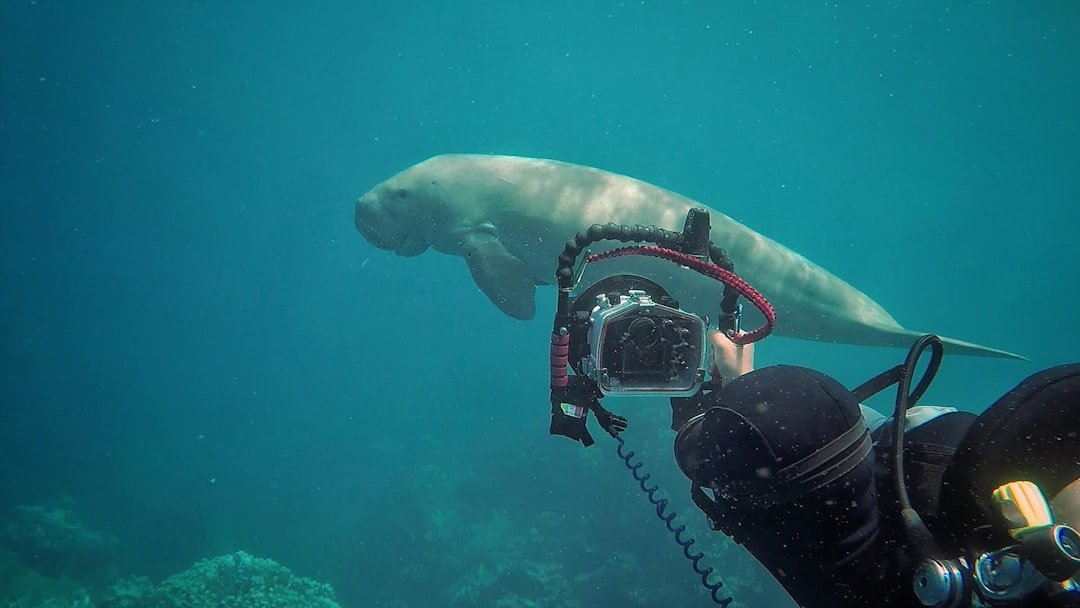
The best video camera for scuba diving isn’t always the most expensive one. What matters is pairing the right camera body with solid technique for shooting stable underwater footage. This guide cuts through the noise and shows you exactly which models work, why they work, and how to actually use them underwater without ruining your footage.
Quick Comparison: Best Video Camera for Scuba Diving Options
| Camera Type | Best For | Stabilization | Learning Curve |
|---|---|---|---|
| GoPro Hero 12 | Recreational divers, action sequences | Excellent built-in | Minimal |
| Olympus TG-7 | Macro work, stills-to-video hybrid | Moderate, external rig needed | Moderate |
| Sony RX100 VII (housing) | Serious videographers, budget-conscious | Good autofocus, stabilization varies | High |
| DJI Osmo Action 5 Pro | Wide angles, budget alternative | Strong stabilization | Minimal to moderate |
Why Shooting Stable Underwater Footage Matters More Than You Think
You’d think any underwater camera would give you usable footage. It usually doesn’t.
Most divers grab the first compact camera, film everything handheld, and produce unwatchable shaky content. I’ve been diving with action cameras for years, and stability is where 90 percent of underwater videos fail. Your viewers don’t need 8K resolution — they need footage that doesn’t feel like it was shot inside a washing machine. Electronic stabilization, gimbal rigs, and deliberate camera movement separate videos that people actually watch from ones that end up deleted.
When you’re shooting stable underwater footage, water movement compounds every tiny shake your hands make. A camera drifting at depth amplifies vibration. Currents push you sideways. Your fins accidentally create turbulence behind the lens. The best video camera for scuba diving includes built-in stabilization that’s powerful enough to handle these real underwater conditions, not just still-water tank conditions.
What to Check Before Buying: The Essentials Checklist
- Does the camera have electronic image stabilization rated for water environments, not just air
- Can you mount the best video camera for scuba diving to a tray or handle without buying a second mortgage in accessories
- What’s the actual depth rating, and does it match your planned dive depth plus 20 meters safety margin
- Does low-light performance matter for your destinations, or are you only diving shallow tropical reefs at noon
- Is the lens wide enough that you don’t have to get dangerously close to wildlife or structures to frame a shot
- Can you control focus and exposure while wearing thick dive gloves underwater
Step-by-Step: How to Choose Your Best Video Camera for Scuba Diving
Condition: You’ve decided video matters for your dives and you’re ready to invest in quality underwater footage.
Audience: Recreational divers aged 25–50 with working knowledge of basic dive skills, no serious underwater video experience yet.
Method: Evaluate cameras based on real-world usability, not marketing specs.
- List every dive destination you actually plan to visit in the next two years. Check water visibility, depth, light conditions, and what wildlife you’ll encounter.
- Determine whether you need macro capability for small subjects or just wide-angle shooting for reef scenes. This narrows down the best video camera for scuba diving significantly.
- Test stabilization in person at a dive shop or rent an example model for one dive before committing. This is where most divers give up — they buy based on spec sheets and hate the actual experience.
- Factor in housing costs, lens compatibility, and mounting systems. A good housing adds hundreds to your total investment. The best video camera for scuba diving suddenly costs twice as much when you account for proper mounting.
- Watch actual user footage shot by divers with similar skill levels, not professional videographers. Professional setups and techniques hide camera limitations.
- Consider battery life underwater. Built-in batteries drain fast in cold water, and swapping batteries at depth introduces failure points.
- Verify depth testing with the specific housing you’ll use, not just the camera body alone. Most housings are rated shallower than the camera itself.
- This is the part that actually matters: test your chosen best video camera for scuba diving in a pool before your first real dive with it. Learn the menu system dry. Practice frame composition. Get comfortable with gloved operation.
My Picks for This
- GoPro Hero 12 Black Best overall for recreational videography because stabilization is excellent, the learning curve is essentially zero, and the compact size means less drag and easier handling underwater
- Olympus TG-7 Ideal for divers who want serious macro capability and don’t mind external rigs, since autofocus is dependable and the compact form factor fits tight wreck environments
- Sony RX100 VII with compatible housing Excellent choice for photographers transitioning to video, given the versatile zoom, excellent autofocus performance, and the option to upgrade housing systems as you progress
- DJI Osmo Action 5 Pro Solid budget alternative to the best video camera for scuba diving if you prioritize stabilization and wide-angle footage without spending premium money
- Paralenz Dive Camera Purpose-built for underwater use with stabilization engineered specifically for water conditions and excellent low-light performance for wreck or deep reef diving
Frequently Asked Questions (FAQ)
Q1. How much does the best video camera for scuba diving actually cost?
Entry-level action cameras start around four to five hundred dollars. Professional-grade systems with housings, lenses, and rigs can reach two to four thousand dollars. Most recreational divers find the sweet spot between eight hundred and fifteen hundred dollars total invested.
Q2. Can I use my phone camera underwater with a housing instead?
Technically yes, but stabilization suffers significantly. Phone sensors struggle in low light, and most phone housings limit manual controls. For your first underwater video system, the best video camera for scuba diving is still a dedicated compact or action camera, not a phone.
Q3. What’s the difference between shooting stable underwater footage with a gimbal versus electronic stabilization?
Electronic stabilization (in-camera) works immediately and requires no assembly. Mechanical gimbals add weight and complexity but provide smoother panning in specific conditions. Most recreational divers succeed with electronic stabilization and never need a gimbal. I’ve been using standard rigs for years without gimbal gear.
Q4. Do I need a wide-angle lens, or is the standard kit lens good enough?
Standard lenses force you too close to subjects. Wide-angle lenses let you frame reef scenes safely without approaching wildlife dangerously. For the best video camera for scuba diving, a minimum 120-degree field of view underwater is practical.
Q5. How do I prevent condensation and fogging inside my camera housing?
Use silica gel desiccants rated for marine environments and replace them between dives. Store housings open in a dry place, never sealed. Some divers use chemical hand warmers or specialized anti-fog inserts, but silica gel handles most situations.
Q6. Can I learn to shoot stable underwater footage in one dive, or does it take months?
Basic technique takes one practice dive in controlled conditions. Mastery takes months. I’ve seen so many divers ditch their new camera after the third dive because they didn’t practice pool basics first. Your skill matters more than your gear.
Related posts
This post is for informational purposes only and does not constitute professional diving instruction, medical advice, or travel guidance. Scuba diving involves inherent risks — always train with a certified instructor and consult a physician before diving. Prices, product specs, dive site conditions, operator schedules, and entry requirements are subject to change without notice. Always verify current details directly with manufacturers, retailers, dive operators, and local authorities. This site may contain affiliate links — purchases made through our links may earn us a commission at no extra cost to you.