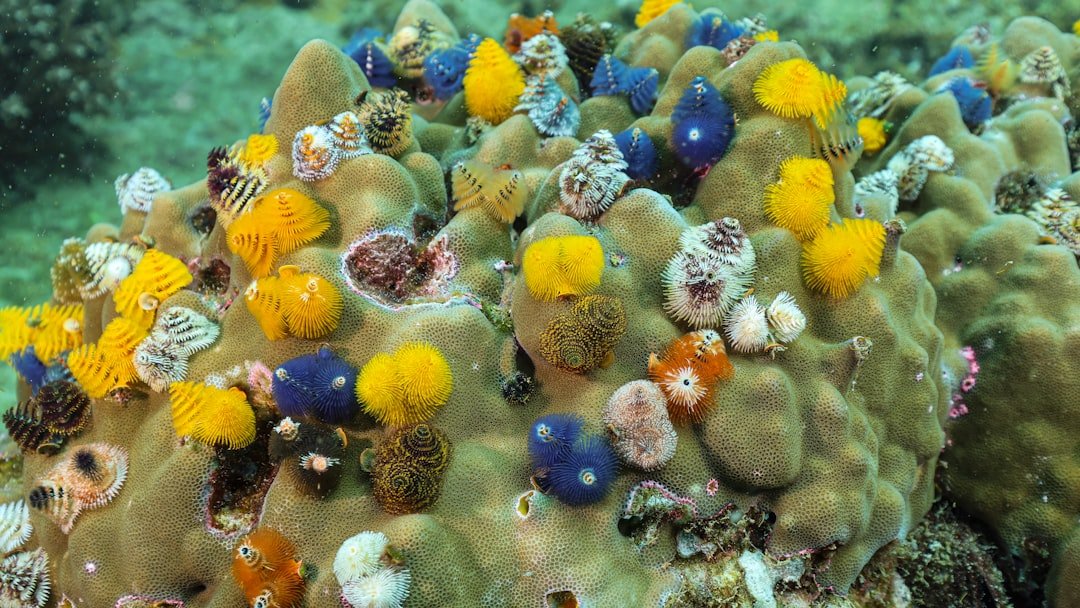
If you’re planning your next dive trip, the best dive destinations in Thailand belong on your list — and liveaboards are the fastest way to reach the sites that matter most. Thailand delivers warm water, affordable pricing, consistent visibility, and some of the healthiest reefs in Southeast Asia. Whether you’re looking for easy diving in protected bays or technical wall dives accessible only by liveaboard, the best dive destinations in Thailand satisfy both beginners and experienced divers in one country.
Quick Reference: Best Dive Destinations in Thailand
| Destination | Best For | Depth Range | Access Method |
|---|---|---|---|
| Phi Phi Islands | Easy diving, coral gardens | 5-25 metres | Day boat from Phuket |
| Similans & Surin | Advanced divers, granite formations | 12-40 metres | Liveaboard (3-5 days) |
| Khao Lak Reefs | Macro life, mixed ability | 8-35 metres | Day boat, liveaboard option |
| Koh Samui & Koh Tao | Training, beginner sites | 3-20 metres | Shoreline, day boat |
| Pattaya Wrecks | Wreck experience, navigation practice | 8-30 metres | Day boat from Pattaya |
Why Thailand Leads for Recreational Divers
Most people don’t realize that diving season in Thailand actually spans two windows — east coast diving runs year-round, while west coast sites peak November through April. The best dive destinations in Thailand are scattered across both coasts, meaning you can plan a trip during your actual schedule and still find dive-worthy conditions. I’ve been diving in Thailand’s warm water for over twelve years, and the consistency remains exceptional.
Visibility ranges from 10-30 metres depending on season and location.
What makes Thailand different from the Caribbean or Red Sea isn’t just the fish count — it’s the combination of easy boat access, liveaboard infrastructure, training facilities, and macro life density. You’d think liveaboards would be expensive in Southeast Asia. Most cost half what comparable trips cost in the Pacific.
Choosing Between Easy Day Diving and Liveaboard Adventures
Day boat diving from land bases like Phuket, Khao Lak, or Koh Tao works perfectly if you have limited time or prefer shore-based comfort. Easy diving around shallow reefs and protected bays dominates the daily schedule. Koh Tao and Phi Phi offer some of the best dive destinations in Thailand for this approach. You wake up at your hotel, board the boat at 8 a.m., complete two or three dives, and return by 4 p.m. Most resorts offer courses, rental gear, and experienced guides who know every corner of the local reefs.
Liveaboards push farther into the Andaman Sea — reaching Richelieu Rock, Burma Banks, and the Similans in one week-long journey. These sites sit 8-15 hours by boat from shore, making daily access impossible. I’ve been diving liveaboard routes for years, and the difference in fish density, coral health, and site diversity justifies every moment at sea. You’ll see species that simply don’t populate day-boat areas.
Budget for day diving: typically in the range of 50-100 USD per dive. Liveaboards: roughly 1,500-2,500 USD for a 3- to 5-day package, which breaks down to about 150-250 USD per dive when you include accommodation and meals.
Pre-Trip Preparation Checklist
- Verify dive season dates for your chosen region (east vs. west coast timing differs)
- Check your certification level against site depth limits — Similans require AOW minimum for deeper dives
- Confirm current entry requirements and visa rules with Thai authorities
- Book training or refresher dives if you haven’t dived in 12 months
- Request medical history forms from your operator 30 days before departure
- Test all personal gear (computer, regulator, BCD) at home before traveling
- Reserve rental gear in advance if you’re not bringing your own — popular liveaboards fill weeks ahead
- Download offline maps and site guides for your specific destinations
Planning Your Trip: Step-by-Step Process
Step 1: Assess Your Skill Level and Available Days
If you hold Open Water certification and have 5-7 days free, liveaboards into the best dive destinations in Thailand open up. Advanced Open Water plus 50+ logged dives positions you for technical sites like Richelieu Rock’s pinnacle. If you’re newly certified or have only 3 days, day diving from Koh Tao or Phi Phi keeps you safe and still delivers incredible encounters.
Step 2: Choose Your Region by Season
November through April: West coast liveaboards, Similans, Surin Islands, Andaman Sea sites peak. May through October: East coast diving around Koh Samui, Koh Tao, and Pattaya remains reliable. This is where most divers give up — they book for the wrong season and find conditions disappointing. Cross-reference your travel dates against operator calendars and seasonal weather reports before committing to a resort or liveaboard.
Step 3: Research Operators and Verify Safety Standards
Certification matters. Look for PADI-certified dive centers, staff with divemaster or instructor ratings, and recent reviews mentioning guide experience and equipment maintenance. The best dive destinations in Thailand attract reputable operators, but quality varies significantly. Ask about surface intervals, group size limits, and emergency protocols before booking.
Step 4: Book Training if Needed and Arrange Rental Gear
If you need to log dives for a new certification level or haven’t dived in years, schedule courses 2-3 weeks before arrival. This is the part that actually matters — showing up fresh and ready beats arriving jet-lagged and rusty. Reserve rental equipment simultaneously. Full sets (BCD, regulator, computer, wetsuit) cost 15-30 USD per day through most Thai operators.
Step 5: Confirm Final Details 72 Hours Before Arrival
Contact your operator directly. Verify departure times, meet points, food accommodations, and current dive site conditions. Weather systems shift quickly in the Andaman Sea — your operator will know which sites are actually diveable that week.
Why Easy Diving Still Challenges Most Recreational Divers
Easy diving doesn’t mean boring diving. Sites like Coral Bommie near Koh Tao and King Cruiser Wreck near Phuket are classified easy because of shallow depth and moderate currents — not because nothing interesting happens below. The best dive destinations in Thailand include reefs where visibility drops to 8 metres during monsoon swells but where your guide still locates frogfish, seahorses, and nudibranchs you wouldn’t spot in clearer water. Most divers ditch their macro photography lights after the third dive because the learning curve feels steep. Try shooting manual focus instead — it trains your eye and works even in poor visibility.
My Picks for This
- Shearwater Peregrine TX — Transmitter-equipped dive computer tracks tank pressure and logs depth profiles wirelessly, simplifying data analysis for liveaboard weeks.
- Cressi Gara Modular Fins — Adjustable blade stiffness handles both easy shallow reefs and stronger current sites without switching equipment between dives.
- Olympus Tough TG-7 — Compact underwater camera shoots macro and wide angle in the 5-40 metre range, perfect for documenting reef life without bulky housings.
- Mares Puck Pro Plus — Wireless air integration logs bottom time and consumption, invaluable for planning your liveaboard dive schedule across multiple sites.
- Fourth Element Thermocline Long Sleeve — 1mm base layer reduces thermal strain during repetitive daily dives in warm water, keeping skin intact for five consecutive liveaboard days.
Frequently Asked Questions (FAQ)
Q1. What makes the Similans and Surin Islands different from day-boat destinations?
Similans and Surin sit 35-50 kilometres offshore, requiring 6-8 hours of boat travel. This distance keeps them uncrowded and preserves reef health. Granite formations create dramatic wall dives and pinnacle sites that don’t exist in shallow coastal areas. Wreck dives, strong currents, and deeper wall structures dominate the site profile. Day boats physically cannot reach these destinations and return safely in daylight.
Q2. Is the best dive destinations in Thailand accessible for divers with only Open Water certification?
Yes, but with restrictions. Most shallow-reef sites and easy diving welcome OW divers. Similans require Advanced Open Water minimum for dives exceeding 30 metres. Pattaya wreck dives and some strong-current Andaman sites also demand AOW. If you hold OW certification, your options remain excellent — just ask operators about depth limits and current ratings before booking.
Q3. How much should I budget for a liveaboard targeting the best dive destinations in Thailand?
Liveaboard pricing spans roughly 1,200-3,000 USD for a 3-5 day trip, depending on vessel class, number of dives, meals, and included services. Budget for flights separately — flights from the US, UK, or Australia typically run 600-1,200 USD. Training add-ons cost 200-400 USD extra. Shore-based day diving costs 50-150 USD per dive including boat, guide, and equipment.
Q4. What’s the best time of year to visit Thailand for diving?
November through April offers the most stable conditions, best visibility, and fewest weather delays for west coast liveaboards. Dry season winds calm the Andaman Sea. East coast diving (Koh Samui, Koh Tao, Pattaya) works year-round with minor seasonal shifts in visibility and fish behavior. Avoid May-October if targeting Similans or Surin — monsoons close many liveaboard routes during this window.
Q5. Should I rent gear in Thailand or bring my own on the flight?
Bringing your own BCD, regulator, and computer ensures familiarity and avoids rental availability issues on packed liveaboards. Shipping gear to Thailand costs 100-200 USD and requires advance coordination. Renting locally costs 15-30 USD per day. Most recreational divers rent on arrival to save baggage space and fees — hire from your operator 2 weeks ahead to secure sizes and models. Wetsuits, fins, and masks vary widely; renting locally guarantees proper fit.
Q6. What marine life will I actually see diving the best dive destinations in Thailand?
Expect groupers, fusiliers, snappers, and schools of barracuda on every reef. Sharks (mostly blacktip and leopard sharks) appear regularly but show no aggression. Manta rays visit seasonal sites like Richelieu Rock. Macro species including frogfish, seahorses, and nudibranchs populate shallow reefs year-round. Turtles and reef rays frequent specific sites. Large pelagics like sailfish are rare but possible on deep dives.
Related posts
This post is for informational purposes only and does not constitute professional diving instruction, medical advice, or travel guidance. Scuba diving involves inherent risks — always train with a certified instructor and consult a physician before diving. Prices, product specs, dive site conditions, operator schedules, and entry requirements are subject to change without notice. Always verify current details directly with manufacturers, retailers, dive operators, and local authorities. This site may contain affiliate links — purchases made through our links may earn us a commission at no extra cost to you.