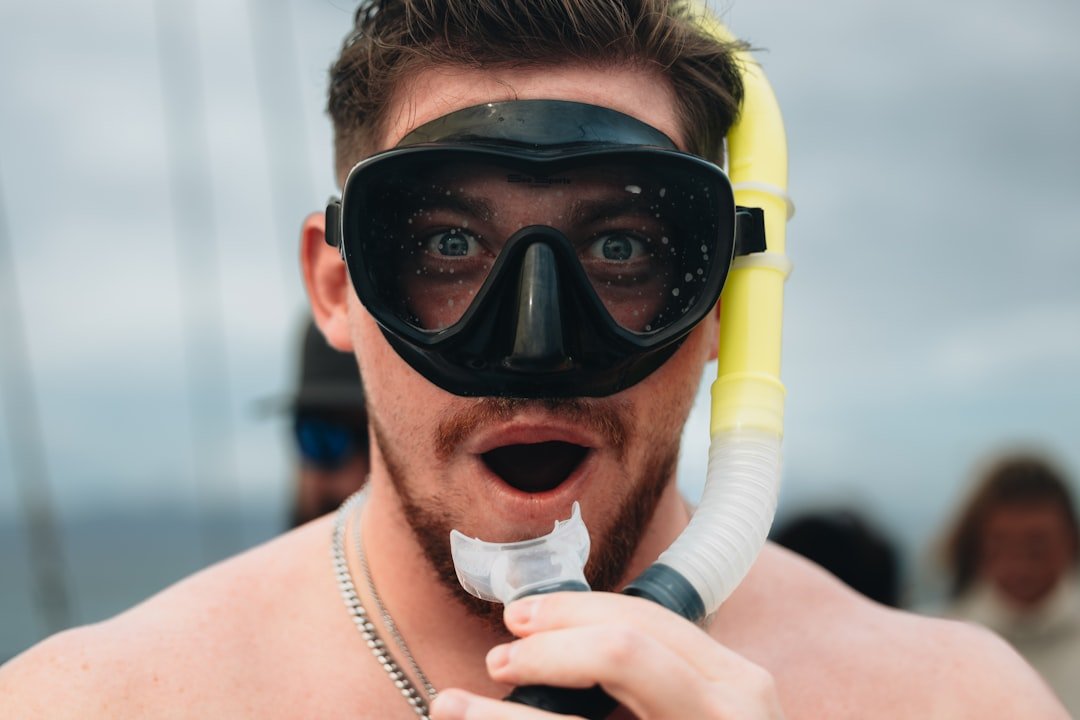
Your mask strap is the most overlooked piece of scuba gear on your face. It’s also the first thing to fail when you need it most. Knowing how to maintain mask straps will save you from leaks, pressure issues, and the frustration of a failed dive. Most recreational divers ignore strap degradation until the rubber snaps mid-descent or the buckles crack. By then, it’s too late.
Why How to Maintain Mask Straps Matters More Than You Think
You’d think rubber just stays rubber — it usually doesn’t. UV exposure, chlorine, saltwater, and storage in a hot car break down silicone and neoprene far faster than divers expect. I’ve been diving with the same mask body for six years, but I’ve replaced the strap twice because the material becomes brittle and loses elasticity over time. A strap that once held your mask firmly against your face eventually slips, shifts, or tears when you need it most.
When your mask strap fails underwater, you have seconds to fix it.
The pressure at depth works against you. Water pushes in. Your vision blurs. You can’t properly equalize or navigate. That’s why learning how to maintain mask straps isn’t optional — it’s survival equipment maintenance. The good news: it’s simple, cheap, and takes five minutes.
| Strap Condition | Action Required | Timeline | Cost Range |
|---|---|---|---|
| Flexible, no cracks, holds seal | Clean and store properly | Every 6–12 months inspect | No cost |
| Slight discoloration, minor stiffness | Deep clean and condition | Every 3–6 months | $5–$15 |
| Visible cracks, hardening, poor hold | Replace strap immediately | Before next dive | $15–$40 |
| Buckles broken, strap frayed or torn | Replace entire strap assembly | Do not use underwater | $20–$50 |
How to Maintain Mask Straps: The Complete Routine
Most people don’t realize that how you store your mask between dives determines whether the strap lasts one season or three. After every dive, rinse your mask with fresh water to remove salt, sand, and chlorine. Don’t just dunk it — scrub the strap with your fingers, especially the edges where corrosion starts. Let it air dry completely. Never seal it in a bag while damp.
Storage is where divers fail.
A dark, cool, dry place works. Sunlight accelerates rubber degradation. Heat bakes out flexibility. Humidity encourages mold and material breakdown. I’ve been diving with a gear bag for years and keep masks face-down on a shelf in my garage, away from direct windows. The strap stays pliable and doesn’t crack. Hanging the mask by the strap is tempting — don’t do it. Over time, the weight stretches the material unevenly and creates stress points that snap.
Inspect and Clean Every Dive
- Rinse the entire mask with fresh water immediately after surfacing
- Use your fingers or a soft cloth to scrub the strap, buckles, and frame
- Check for sand, salt deposits, or visible damage while wet
- Dry completely before storage to prevent mold and material breakdown
- Store in a cool, dark place inside a padded gear bag or case
Condition the Strap Monthly
A mask strap that feels stiff or looks dull needs conditioning. Use a small amount of silicone grease or dedicated strap conditioner. Apply it sparingly to the entire strap surface and work it in with your fingers. Let it sit for five minutes, then wipe away excess. This keeps the rubber flexible and extends its lifespan. I’ve been conditioning my straps this way for years and they stay supple even after 150 dives annually.
When and How to Replace and Care for Your Mask Strap
Replacement happens when conditioning stops working. A strap that has become hard, brittle, or cracked will only get worse. The buckle might crack suddenly, or the strap might snap during the dive. Why risk it? Most mask manufacturers sell replacement straps separately, and installation takes under three minutes. Here’s exactly how.
Condition and Step-by-Step Replacement Process
Condition: You’ve noticed your strap is stiff, has visible cracks, or doesn’t hold your mask as tightly as it used to. Audience: Any diver who owns a mask and wants to maintain it themselves without professional help. Method: Most modern mask straps attach via simple buckles or clips that don’t require tools. Steps:
- Examine both sides of the strap where it connects to the mask frame to locate the attachment point
- Gently pull or pry the old strap away from the buckle or clip using light pressure with your fingers
- Slide the new strap into the same attachment point until it seats completely and snaps into place
- Test the strap tension by pulling gently — it should not move or slip out
- Adjust the strap length to your preferred fit and ensure the buckle is secure
- Submerge the mask briefly and apply it to your face to test the seal before diving
Here’s where most divers give up: they use a tool that’s too rough and crack the buckle. Use your hands. Apply steady, even pressure. The strap will come free.
How to Maintain Mask Straps Between Dives: Pro Habits
Replacement intervals depend on how often you dive and how you store your gear. If you dive twice a week, inspect your strap every month. If you dive once a year, a simple visual check before each dive is enough. I’ve seen so many divers ignore a visibly cracked strap because they didn’t think it was “bad enough yet.” Bad enough is when it fails at 80 feet. Replace it before that happens.
Temperature swings destroy rubber fast.
Don’t leave your mask in a hot car. Don’t store it next to a heater or radiator. Cold salt air on a boat also accelerates material breakdown. After a saltwater dive, rinse your strap twice — once on the boat and again at home. Salt crystals sit in cracks and crevices and continue corroding the material. Fresh water is your best preservation tool. It costs nothing and adds months to your strap’s life.
Quick Maintenance Checklist
- Rinse with fresh water immediately after every dive without exception
- Dry completely before storing to prevent mold and bacterial growth
- Store in a padded mask case or gear bag away from heat and sunlight
- Apply silicone conditioner monthly to keep the rubber flexible and protected
- Inspect the strap for cracks, stiffness, or discoloration before each dive trip
- Never hang your mask by the strap — lay it flat or store it upright on a shelf
- Replace the strap at the first sign of permanent hardening or visible damage
My Picks for This
- Scubapro D-Mask Strap — Direct replacement strap made of durable neoprene that matches the body and holds tension consistently through multiple seasons.
- Cressi Silicone Mask Strap — High-quality silicone construction that resists UV damage and stays flexible in cold water better than standard neoprene.
- Aqua Lung Mikron Replacement Strap — Purpose-built for the Mikron frame, this strap includes adjustable buckles and stays secure even during challenging conditions.
- Mares Silicone Mask Conditioner — Specialized silicone grease that prevents cracking and extends strap lifespan by protecting the material from salt and UV exposure.
- Simple Mills Protective Mask Storage Case — Padded case that keeps masks safe from pressure, temperature, and light damage between dives and travel.
Frequently Asked Questions (FAQ)
Q1. How often should I replace my mask strap?
Replace your strap when it becomes visibly cracked, permanently stiff, or fails to hold your mask securely. For recreational divers who dive 20–40 times yearly, expect a replacement every 12–24 months. Divers in tropical warm climates and those exposed to high UV exposure may need replacements every 6–12 months.
Q2. Can I repair a cracked strap instead of replacing it?
Small surface cracks can be temporarily sealed with marine-grade silicone sealant, but this is not a permanent fix. Once a strap cracks, the structural integrity is compromised and it will continue to degrade. Replacement is safer and only costs $15–$40.
Q3. What’s the difference between neoprene and silicone straps?
Neoprene is cheaper and softer initially but becomes stiff faster with UV exposure. Silicone is more expensive but resists UV damage, stays flexible longer, and works better in very cold water. Both require the same maintenance and care.
Q4. Should I store my mask with the strap attached?
Yes, keep the strap attached to avoid losing parts and to maintain the buckle alignment. Store the entire mask flat or upright in a case, never hanging it by the strap. Hanging causes uneven stress and premature stretching.
Q5. Does saltwater damage mask straps more than freshwater?
Yes. Salt crystals corrode rubber and neoprene far faster than chlorine or freshwater. Always rinse your entire mask with fresh water immediately after saltwater dives, then rinse again at home before storage.
Q6. Can I use regular silicone grease on my strap?
Standard silicone grease works, but use marine-grade or diving-specific products when possible. They’re formulated to protect rubber in salt, chlorine, and UV exposure. Automotive silicone grease can leave residues that attract dirt.
Related posts
This post is for informational purposes only and does not constitute professional diving instruction, medical advice, or travel guidance. Scuba diving involves inherent risks — always train with a certified instructor and consult a physician before diving. Prices, product specs, dive site conditions, operator schedules, and entry requirements are subject to change without notice. Always verify current details directly with manufacturers, retailers, dive operators, and local authorities. This site may contain affiliate links — purchases made through our links may earn us a commission at no extra cost to you.