Your dive bag is open on the floor. The best cave diving destinations world travelers can realistically plan with a full cave qualification include Mexico’s cenotes, north Florida, France’s Lot region, Mount Gambier, the Bahamas, and Sardinia, but each asks for a different level of experience, equipment discipline, and trip preparation. Pick the cave type first.
This guide is for certified cave divers, not open-water divers or cavern divers who want to extend a daylight-zone tour. A cavern course is not a pass into an overhead cave. The line is the boundary, and a site operator may require proof of a specific level of training, recent cave-diving experience, an accepted configuration, or a local guide before granting access.
Best cave diving destinations in the world
Yucatán Peninsula, Mexico
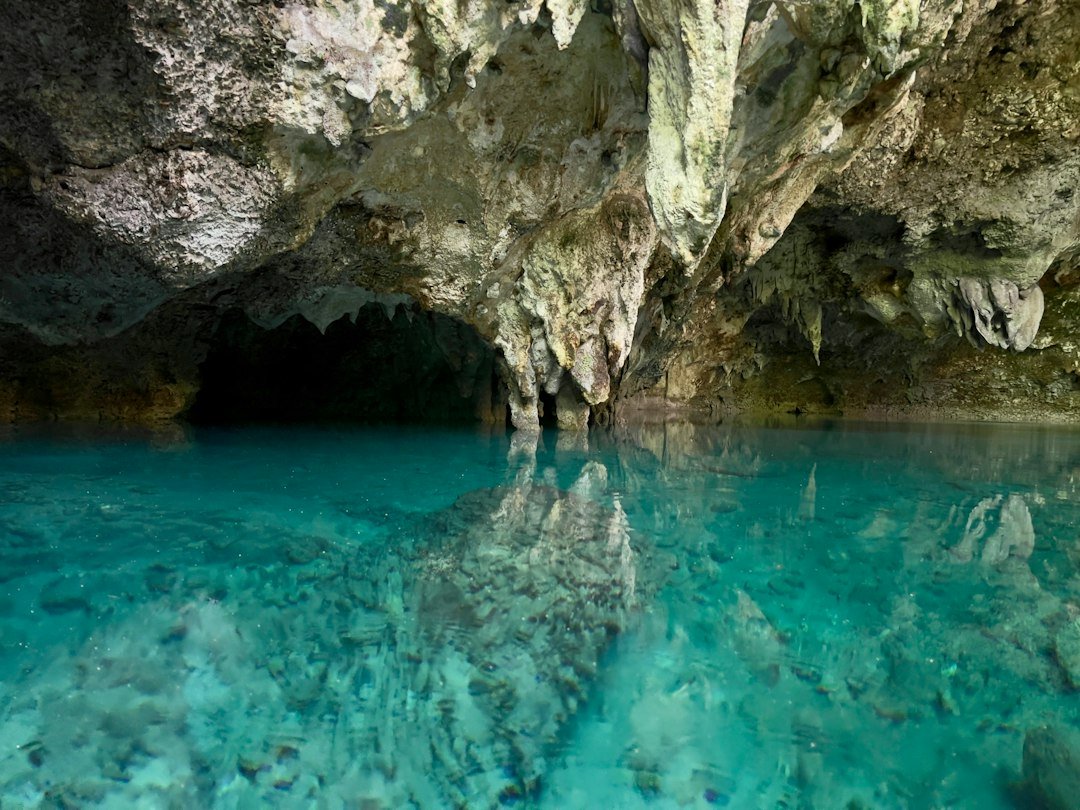
Mexico’s Yucatán Peninsula is often the easiest international starting point for certified cave divers because the cenote network has extensive limestone passage, clear water, and operators built around technical diving logistics. Water temperatures are commonly near 24 to 25 C, so exposure protection is simpler than at cold-water cave sites. Plan your trip early, as the familiar names, including Dos Ojos and larger systems near Tulum, do not mean every route is suitable for every cave diver. Local access procedures, private land arrangements, seasonal visitor volume, and route-specific depth all affect the day’s plan.
A practical advantage is the amount of local support for sidemount divers, twinsets, stage bottles, and rental cylinders. Confirm cylinder valve type before flying. If you normally dive steel doubles at home, test your buoyancy plan with the aluminum cylinders commonly used locally rather than assuming your familiar weighting transfers cleanly.
North Florida, United States
North Florida is a serious cave-diving destination with spring-fed systems, relatively direct travel for many US and Canadian divers, and a long-established cave community around High Springs and nearby springs. Water temperatures are cool, and springs such as Ginnie and Peacock have very different access arrangements, dive profiles, and site rules, so check directly before booking accommodation or filling cylinders.
Florida rewards clean, disciplined fundamentals because flow, restrictions, depth changes, and high diver traffic can expose sloppy trim or poor line awareness quickly. It is not a place to improvise. Bring a configuration you have already used in caves, then complete a conservative orientation dive or checkout with the local operation before committing to a more demanding route.
Lot region, France
France’s Lot and Dordogne areas are a strong choice for cave divers who want clear karst systems, cold freshwater, and sites where depth can become significant early in the dive. Expect lower water temperatures than Mexico. Drysuit experience, stable buoyancy in thicker undergarments, and familiarity with cold-water gas consumption matter here, especially when a long swim to the entrance follows a surface walk over uneven ground.
Access can be more formal than divers expect. Some sites have local procedures, landowner restrictions, limited parking, or rules that change with water conditions. A regional guide can make the first few days far smoother, even for an experienced visitor.
Mount Gambier, South Australia
Mount Gambier gives qualified cave divers a very different kind of trip: inland limestone sinkholes and clear freshwater in a region where permits and site access are central to planning. Complete the required paperwork before building the rest of your trip around the dives. Kilsby Sinkhole is the best-known name, but access is controlled and the appropriate Australian qualification or recognized equivalent may be required.
This is not a destination to book around a casual weather window. Build in time for orientation, equipment checks, and possible schedule changes. The water can be cool, and local sites may have restrictions that make a familiar overseas cave setup unsuitable without adjustment.
Bahamas blue holes and Sardinian sea caves
The Bahamas suits certified cave divers interested in blue holes, saltwater systems, and expedition-style planning around island logistics. Because tides affect current, visibility, surface conditions, and boat access, they can change the character of a dive even when the underwater route itself is familiar. Use an operator with current local knowledge and do not treat a blue hole as an easy substitute for a freshwater cave.
Sardinia is a good fit for divers who already have comfort in sea caves and want Mediterranean travel paired with overhead diving. Saltwater changes weighting. Many routes have depth, surge near entrances, and sea-state limits that are absent in inland cave systems, while shore approaches can add a long gear carry before the dive begins.
How to choose the right trip
Match the destination to the dives you have actually completed recently, not to the deepest or longest dive printed in your certification materials. Be honest here. A warm Mexican sidemount dive and a cold French twinset dive may both be cave dives, yet they demand different exposure protection, buoyancy control, logistics, and workload management.
- List your current certification level and your most recent comparable dives. Recency matters.
- Ask the operator which routes match that level, your configuration, and the conditions expected during your travel dates. Get this in writing.
- Confirm cylinder availability, gas fills, valve fittings, weights, rental regulators, and whether the site permits stages or scooters. Small details stop dives.
- Keep at least one non-diving day before your return flight, then use the conservative guidance taught in your training and supplied by your dive computer. Do not copy another diver’s schedule.
Prices vary by region and season, particularly once permits, transport, guide fees, gas, and gear rental enter the plan, so verify current details locally. A cheaper flight can become the expensive option if you must bring excess baggage or hire specialized equipment for every dive day.
Gear and planning that travel well
Bring only equipment you can configure and troubleshoot without help, then carry critical small items in hand luggage where airline rules allow. Spares save trips. Mask straps, bolt snaps, cutting tools, light batteries permitted by the airline, line markers, and exposure-system seals take little room but can be hard to replace in a small dive town.
Do not use travel as the first test of a rebreather, sidemount harness, drysuit, scooter, or unfamiliar gas plan. Complete training and local practice first. For questions about decompression, gas management, overhead procedures, or pressure-related health concerns, speak with a certified instructor or a dive-medicine doctor before the trip.
Frequently asked questions
Do I need full cave certification for these destinations?
For cave penetration, yes. A cavern qualification generally limits you to the daylight zone and does not authorize a cave dive beyond that area. Operators set the final access requirements. Bring your certification record, proof of recent diving if requested, and an honest account of your configuration experience.
Which destination is easiest for a first international cave trip?
Mexico is often the most straightforward choice for a certified cave diver because dive services, rental equipment, and cave-focused operators are widely available around the cenote areas. It is still cave diving. Pick routes below your maximum training limit and allow time to settle into local cylinders, weighting, and procedures.
Can I rent cave-diving equipment at the destination?
Many established destinations rent technical equipment, but inventory and setup standards differ. Confirm every component before travel. Ask about regulator fittings, cylinder size, wing or harness compatibility, lights, reels, batteries, and whether you are expected to supply personal cutting devices and masks. Rental costs and permit fees vary by region and season, so confirm current prices and access requirements with the local operator.
Are guided cave dives safer than independent dives?
A knowledgeable local guide can help with access, route familiarity, and current conditions, but a guide does not remove your responsibility for training, gas management, buoyancy, or team decisions. Your certification still matters. Treat guided diving as local support, not permission to exceed your experience.
Related posts
This article is for general informational purposes only and is not dive training or medical advice. Always train with a certified instructor and consult a doctor before diving if you have any health concerns. Gear specs, pricing, site conditions, and operator schedules change, so verify current details directly with the manufacturer or dive operator.
Disclosure: This post may contain affiliate links. If you click through and make a purchase, we may earn a commission at no extra cost to you. We only recommend gear we’ve researched or genuinely believe in.