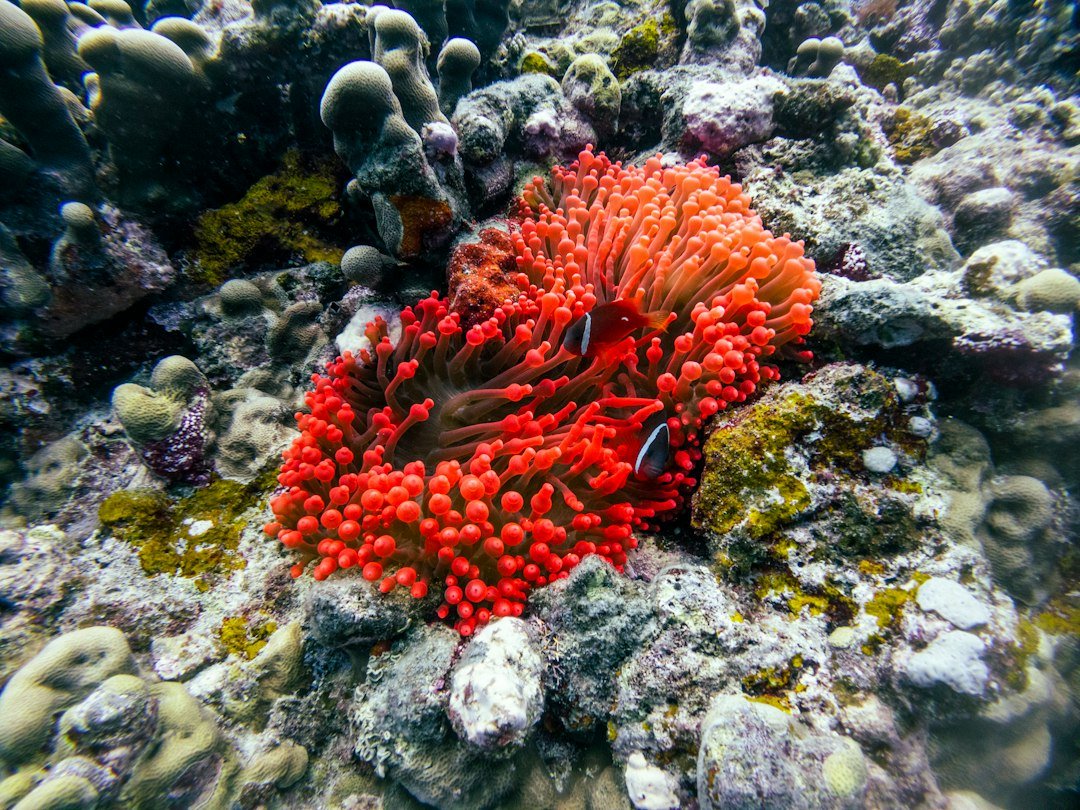
Book a liveaboard or resort package that includes current-exposed reefs before you book flights, because the best diving in Fiji islands for soft coral reefs depends far more on access to moving water than on which island has the easiest airport. Start there. Fiji earns its soft-coral reputation when a reef has enough current for the coral polyps to open, covering bommies, walls, and sea fans in pink, orange, purple, and white. The best diving in Fiji islands is therefore rarely the calmest lagoon dive on an operator schedule.
Soft coral needs a little context. These animals often look subdued when the water is slack, then appear dramatically fuller once current delivers plankton and the polyps extend. Timing matters. A site that photographs beautifully at one stage of the tide may look comparatively plain an hour later, so ask an operator which dives are planned around current, tide, and weather rather than asking only for its most famous site name.
Best diving in Fiji islands for soft coral reefs
For a first Fiji trip centered on soft coral, the strongest choices are generally Bligh Water, Taveuni and the Somosomo Strait, the Great Sea Reef near Vanua Levu, and the reefs reached by liveaboards crossing between island groups. Each option has a different trade-off in travel time, current strength, accommodation style, and consistency. Pick the access model first.
| Area | Why soft coral divers choose it | Best fit | Practical consideration |
|---|---|---|---|
| Bligh Water | Current-fed pinnacles and reefs with dense colorful soft corals | Divers who want several days on a liveaboard | Sea crossings and schedules can change with weather |
| Taveuni and Somosomo Strait | Well-known current dives, walls, bommies, and colorful reef structure | Resort-based divers wanting a land stay | Conditions can be lively at exposed sites |
| Great Sea Reef | Remote reef systems, healthy-looking hard coral areas, soft coral on current sites | Divers who value quieter operations and remote travel | Transfers take longer and dive logistics vary |
| Beqa and Pacific Harbour | Convenient access to reefs, walls, and some drift-capable dives | Shorter stays near Viti Levu | Do not assume every site has Fiji-style soft coral coverage |
Bligh Water is the straightforward answer for divers who want the highest chance of varied soft-coral scenery across a single itinerary. It sits between Fiji’s larger island groups, and many liveaboard routes use its isolated reefs and pinnacles to avoid repeating the same shore-based sites. Bring current comfort. Some dives begin with a negative entry or a quick descent, although the exact procedure depends on the operator, sea state, and site.
Taveuni is a better choice if you want to unpack once, dive several days, and still see the type of colorful current-swept reef Fiji is known for. The Somosomo Strait has sites commonly associated with soft coral, reef fish, walls, and changing water movement. Conditions shift quickly. A good resort schedule should include an early conversation about which sites have current that day and whether the plan suits your experience level.
The Great Sea Reef appeals to divers who prefer a more remote trip and are willing to accept longer transfers for fewer boats at the dive sites. Its scale is enormous, but that does not mean every section will provide the same soft-coral density or current conditions. Ask for specifics. A useful operator question is: Which three sites on this week’s schedule have the most open soft corals at normal current levels?
How to choose the right Fiji itinerary
Use your logged experience honestly when selecting an itinerary. Soft coral often thrives where water moves, and current can make otherwise simple reef dives more demanding, especially when entry conditions, descent depth, surface chop, and reef shape all add task loading. Be realistic. A diver comfortable with gentle drifts may still find a deep wall entry in inconsistent current tiring or stressful.
Follow this simple booking sequence. First, decide whether you want a liveaboard or a resort. Second, ask the operator for its planned dive area during your travel month, not a generic list of every site it has ever visited. Third, ask how it handles current checks, drift procedures, delayed surface-marker buoy deployment, and divers who prefer easier profiles. Fourth, compare the actual transfer day on each itinerary, since a cheap room can become less appealing after several hours of road and boat travel.
For a seven-night trip, a practical example is to allow one arrival night, five to six diving days, and at least 18 to 24 hours after your final dive before flying, subject to your training agency guidance and dive profile. Leave breathing room. If a domestic transfer, weather delay, or no-dive day affects the schedule, you do not want your entire trip built around a single famous reef.
Liveaboards work well when your priority is reef variety and you are content with a fixed daily schedule. They can reach more distant sites and may move overnight to follow the best conditions, though itineraries, port departures, and exact routes can change. Resorts work well for couples, photographers, and divers who value a room on land, flexible rest days, and the option to skip a more energetic dive without feeling they missed half the trip.
When Fiji soft coral looks its best
There is no single month that guarantees ideal diving because wind, rain, visibility, tides, and local currents vary by island and week. Fiji is diveable year-round. Many travelers favor the drier months around May through October for generally cooler air and potentially calmer travel conditions, while the warmer wetter period can bring warmer water, more rain, and weather disruptions. Check recent operator reports before paying a final balance.
On the boat, the most useful question is not whether the water is clear. Ask whether the current is expected to run across the reef face. Soft coral polyps often open in moving water, so a moderate current can make the difference between a pleasant reef scene and the dense color shown in destination photos. That current also changes buoyancy demands. Stay off the reef.
Photography adds another consideration. Wide-angle images work best when the photographer can position safely up-current or slightly to the side of the coral, use a buddy-aware approach, and avoid kicking into fragile branches while trying to frame a subject. Take fewer shots. A respectful hover is better than a close photo that damages coral or puts you in an awkward current line.
Gear that makes these dives easier
A normal recreational scuba kit works in Fiji, but a few choices make current and warm-water reef diving more comfortable. A properly fitted exposure suit is the first priority because repeated dives can chill you even when surface conditions feel tropical. Most divers should confirm local water temperatures with their operator, then choose exposure protection that matches their own cold tolerance. Bodies differ.
Carry a delayed surface-marker buoy and reel only if you have been trained and practiced in their use. They are useful on drift dives and open-water ascents, yet they are not a substitute for current-diving skills or a guide’s local judgment. Practice first. If your buoyancy or deployment skills feel rusty, ask for a refresher with a certified instructor before the trip.
Reef-safe behavior matters more than buying a special product. Secure hoses, avoid dangling gauges, use fins you can control precisely, and keep enough distance that an unexpected surge does not push you into coral. Take nothing. Soft corals, sea fans, and sponges can be damaged by contact even when they look flexible.
A compact backup mask, audible signaling device, and exposure layer for breezy boat rides are sensible additions. Do not overpack. On smaller boats, gear storage can be limited, and a streamlined setup makes entries and exits easier for everyone.
Questions to ask before you pay
Ask whether the operator groups divers by experience and whether it can offer an easier alternative if a current site exceeds your comfort level. Also ask about maximum group size, guide-to-diver ratio, emergency oxygen availability, marine-park fees, rental-equipment condition, and whether nitrox is available if you are certified to use it. Get answers in writing. Prices vary by region, season, room type, and included transfers, so confirm the full package total directly with the operator.
Do not book solely because a website shows a famous soft-coral image. Marketing photos may come from a particular tide, season, dive site, or unusually clear day. Instead, ask for a recent trip report and a sample weekly dive schedule. A transparent operation should be able to explain what conditions usually make its best sites work and what it does when weather changes the plan.
The best Fiji trip for soft coral is one that matches your current-diving comfort, gives you enough days to adapt to local conditions, and uses an operator that protects the reef rather than chasing a perfect photograph. Choose access over hype. If you have questions about your fitness, ears, lungs, medications, pregnancy, or any condition that may affect diving, speak with a doctor familiar with dive medicine and train with a certified instructor before travel.
Related posts
This article is for general informational purposes only and is not dive training or medical advice. Always train with a certified instructor and consult a doctor before diving if you have any health concerns. Gear specs, pricing, site conditions, and operator schedules change, so verify current details directly with the manufacturer or dive operator.
Disclosure: This post may contain affiliate links. If you click through and make a purchase, we may earn a commission at no extra cost to you. We only recommend gear we’ve researched or genuinely believe in.