How to dry scuba gear fast and avoid next-day odors

wet diving gear drying

To dry scuba gear fast after a day of diving, rinse it thoroughly, drain each item in the right position, separate wet layers, and use shade with steady airflow. Avoid heat, sealed bags, and direct sun for neoprene, masks, fins, and regulator components.

How to prevent BCD inflator sticking

scuba diving buoyancy control device

Prevent a sticking BCD inflator with thorough fresh-water rinsing, careful hose handling, and prompt service when buttons or valves do not move freely. Learn common troubleshooting fixes and the actions to take if an inflator starts adding air uncontrollably underwater.

How Often Service Scuba Regulator: Maintenance Guide

How Often Service Scuba Regulator: Maintenance Guide

Most scuba regulators need professional service at the interval in the manufacturer manual, commonly every 12 months or every 1 to 2 years depending on the brand, use, and warranty terms. Rinse and inspect your regulator after every dive, and get it checked sooner if breathing changes, it freeflows, or it has been stored poorly.

How to fix a leaking mask step by step

diving mask water leak

Loosen the strap slightly, lift and reseat the skirt, then clear hair or hood material from the sealing edge. Most mask leaks come from fit, strap tension, facial hair, or a damaged silicone skirt rather than a mask that needs replacing.

How to store a wetsuit properly for long term

How to store a wetsuit properly for long term

Rinse your wetsuit in fresh water, dry it fully inside and out, then store it flat or on a broad wetsuit hanger in a cool, dark, dry place. Avoid thin hangers, direct sun, heat, tight folds, and sealed storage while the neoprene is damp.

How to clean scuba regulator at home after diving

How to clean scuba regulator at home after diving

Rinse your regulator with fresh water as soon as practical, keep the first-stage inlet dry, and never press the purge button when the system is unpressurized. A careful home rinse and dry prevents salt buildup without risking water inside the hoses or second stages.

Steel vs aluminum scuba tanks for most divers

scuba tank metal cylinder

For most recreational divers who make warm-water single-tank dives and travel occasionally, an aluminum 80 is the easiest first tank to own. Steel wins for regular cold-water or drysuit diving, where its negative buoyancy and compact size can improve trim and reduce carried lead.

Rebreather vs open circuit diving: which fits?

diving equipment underwater breathing

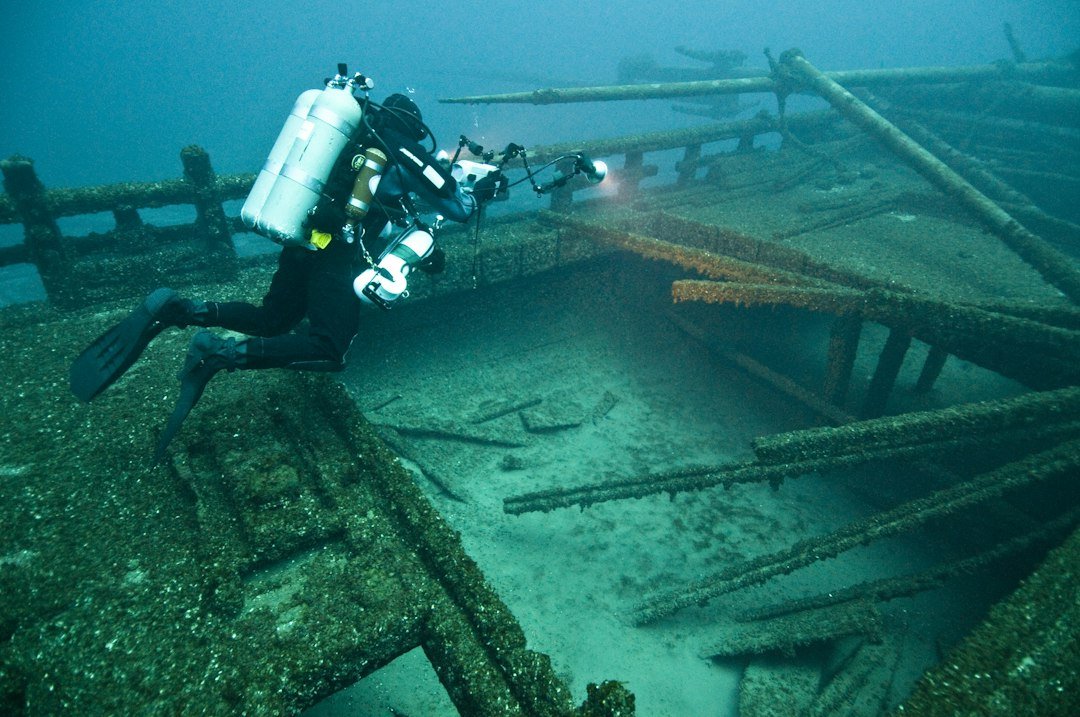
For most recreational divers, open-circuit scuba is the better choice because it is simpler, cheaper to own and travel with, and supported by far more operators. A closed-circuit rebreather makes sense when long runtimes, quiet approaches, or deeper technical objectives justify its higher cost, training, maintenance, and bailout demands.