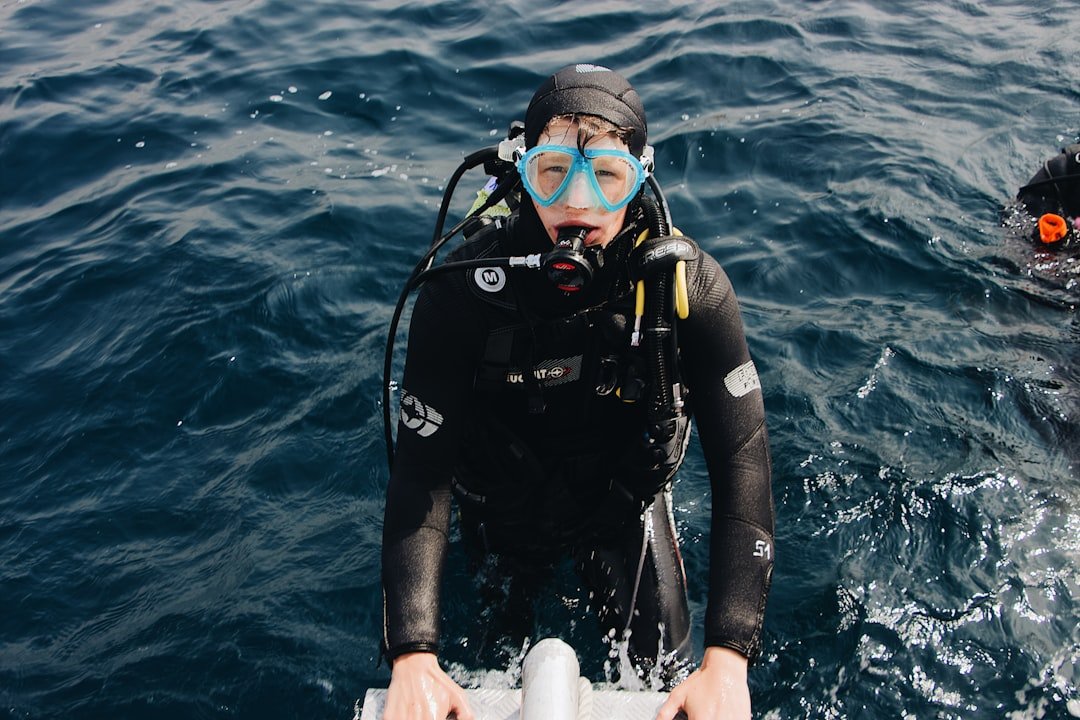
Most divers never realize the divemaster course path explained isn’t just about adding another card to your wallet. It’s the threshold between recreational diving and professional dive leadership, and understanding the divemaster course path explained before you commit saves money, time, and prevents landing in roles you’re not ready for.
Understanding the Divemaster Certification Pathway
The divemaster course path explained starts with a hard requirement: you must hold Advanced Open Water certification or equivalent from a recognized agency. Most agencies demand a minimum of 60 logged dives, though many experienced divers wait until 100 or more. You’d think more experience always hurts — it doesn’t. Operators trust divers who’ve logged time because they’ve faced varied conditions and learned to stay calm.
I’ve been diving with this framework for years and seen the real difference between rushing certification and building genuine competence. A divemaster isn’t just someone who knows how to descend. You manage divers, troubleshoot gear failures, navigate in poor visibility, and make split-second decisions that keep people safe. The agencies know this, and their standards reflect that reality.
| Certification Level | Minimum Age | Prerequisites | Typical Timeline |
|---|---|---|---|
| Advanced Open Water | 12 | Open Water certification | 2–3 days |
| Rescue Diver | 12 | Advanced Open Water | 2–3 days |
| Divemaster | 18 | Rescue + 60 logged dives minimum | 3–5 days instructor-led plus study |
| Instructor (IDC) | 18 | Divemaster + 100 logged dives | 5–8 days intensive |
What the Divemaster Course Path Explained Actually Covers
The divemaster course path explained by most agencies includes five core knowledge areas: dive theory deepened beyond what recreational certs cover, physics specific to guiding and rescue scenarios, physiology tied to decompression and nitrogen narcosis at depth, equipment maintenance and troubleshooting, and leadership skills that make people want to dive with you again. This isn’t memorization — it’s muscle memory for underwater decision-making.
When you’re underwater with four recreational divers and someone’s regulator freeflows 80 feet down, you don’t have time to think. Your divemaster training teaches you to feel the problem, signal clearly, initiate ascent, and manage gas sharing all at once. Most people don’t realize that 60 percent of divemaster training happens in the pool or confined water first. You practice emergency procedures over and over until they’re automatic.
I’ve seen so many divers finish their divemaster course path explained and immediately realize they weren’t as comfortable leading as they thought. That’s why reputable instructors push you hard during training. They’d rather you struggle in the classroom or pool than freeze when real money and real liability hit.
Prerequisites Checklist Before Starting Your Divemaster Journey
- Hold Advanced Open Water certification from PADI, SSI, NAUI, or equivalent agency
- Log at least 60 dives with signed entry proof in your logbook
- Complete Rescue Diver certification or equivalent
- Be at least 18 years old with valid identification
- Pass a medical fitness assessment within 12 months of course start
- Demonstrate comfort rescuing an unconscious diver at depth
- Show basic CPR and First Aid certification current within the past two years
The Real Cost of the Divemaster Course Path Explained
Cost varies by location and agency, but divers should budget between a range that reflects instructor experience and location prestige rather than assuming all courses cost the same. Tropical destinations popular with tourists charge differently than courses run by smaller shops in temperate waters. Training materials, confined water time, open water training dives, and instructor fees all factor in. Some courses bundle certification cards and logbook updates; others charge separately.
Beyond tuition, most divers underestimate the hidden costs. You’ll need your own BCD rated for leadership diving, a compass, dive tables or computer that can handle advanced profiles, and often upgraded regulators that breathe smoothly at depth under stress. Agencies recommend certain gear configurations to handle the demands of guiding safely.
Step-by-Step Process: How the Divemaster Course Path Explained Unfolds in Reality
Condition: You hold Rescue Diver certification with at least 60 logged dives and want to work as a paid dive guide or dive shop professional.
Audience: Recreational divers aged 25–50 ready to transition from diving for fun to diving for income.
Method: Agency-led structured training combining self-study, classroom sessions, confined water drills, and open water evaluation dives.
Steps:
- Review pre-course materials sent by your instructor, covering dive theory, physics, and physiology — this typically takes 2–4 weeks if studied consistently
- Complete confined water sessions where you master rescues, navigation, and emergency procedures in controlled conditions — usually 2–3 full days
- Perform open water training dives with your instructor evaluating your leadership, problem-solving, and situational awareness — typically 4–5 dives over 3–4 days
- Complete a final knowledge exam covering dive theory, medical scenarios, and management situations — here’s where most divers give up because they underestimate the depth required
- Receive your divemaster card upon passing all components — this is the part that actually matters because it legally authorizes you to guide paying clients
Warnings: Do not rush through confined water training to save time. Many instructors require you to demonstrate control over panicked divers before certifying you. Dive computers have battery limits and malfunction modes you must recognize. Most agencies require current CPR and First Aid certification or they won’t issue your card, even if you’ve passed everything else.
What Happens After You’re Certified
Once you hold your divemaster card, most dive shops hire you as an assistant guide first. You accompany experienced divemasters, learn local conditions, and build trust with operators and clients. The divemaster course path explained doesn’t end at certification — it’s really just permission to start learning the job. Your first season guides 50–100 dives; by year two, you might lead 200. That experience compounds into expertise.
Compensation ranges by location and season. Tropical resorts pay differently than temperate dive shops. Some operations offer salary plus tips; others work commission-only. Career progression leads toward dive shop management, instructor training, or specialization in technical diving, underwater photography mentoring, or specific destination expertise.
My Picks for This
- Shearwater Peregrine — A wrist-mounted dive computer designed for divers who guide others and need data clarity under stressful conditions.
- Scubapro Hydros Pro — A lightweight BCD with excellent buoyancy control and durability for guiding multiple dives daily.
- Apeks MTX-R — A redundant regulator system preferred by divers who lead rescue scenarios and need absolute breathing reliability.
- Cressi Gara Professional Compass — A handheld compass that handles the navigation requirements of guiding in unfamiliar or low-visibility waters.
- Garmin Descent Mk3i — A full-featured dive computer with topside mapping that helps divers understand local geography and current patterns between dives.
Frequently Asked Questions (FAQ)
Q1. How much does divemaster certification actually cost?
Costs typically range based on location, instructor reputation, and included materials. Tropical resort locations cost more than independent shops inland. Budget for training fees, certification card issuance, and potentially new or upgraded equipment recommended by your instructor. Verify costs directly with the shop or instructor before enrolling.
Q2. Can I skip Rescue Diver and go straight to divemaster?
No. All major agencies require Rescue Diver certification as a prerequisite. This trains you in rescue techniques, emergency response, and managing distressed divers — skills essential before you guide paying clients. The divemaster course path explained assumes you’ve already completed this foundation.
Q3. How many dives do I really need logged before starting?
Minimum is usually 60, but most instructors recommend 80–100. More logged dives mean you’ve experienced different water conditions, gear combinations, and scenarios that shape your judgment. You won’t be as sharp during training if you rush with exactly 60 dives.
Q4. Is divemaster certification the same across all agencies?
No. PADI, SSI, NAUI, and TDI have slightly different standards, though core competencies overlap. A PADI divemaster is recognized globally, but regional operators may prefer specific agencies. Check what’s accepted by the shops or resorts where you want to work before enrolling.
Q5. What’s the difference between divemaster and assistant instructor?
A divemaster can guide recreational divers and lead certified divers on recreational dives. An assistant instructor can help teach Open Water certification but cannot sign off certifications independently. Most people pursue divemaster first, then instructor training later after 100+ logged dives and instructor-level experience.
Q6. How long does it take to become a divemaster?
Instructor-led training typically takes 3–5 days concentrated, but total timeline depends on your dive schedule. Many divers stretch it across 1–2 weeks to allow time between dives for decompression sickness risk management and mental absorption. Self-study materials should be completed before arrival.
Related posts
This post is for informational purposes only and does not constitute professional diving instruction, medical advice, or travel guidance. Scuba diving involves inherent risks — always train with a certified instructor and consult a physician before diving. Prices, product specs, dive site conditions, operator schedules, and entry requirements are subject to change without notice. Always verify current details directly with manufacturers, retailers, dive operators, and local authorities. This site may contain affiliate links — purchases made through our links may earn us a commission at no extra cost to you.