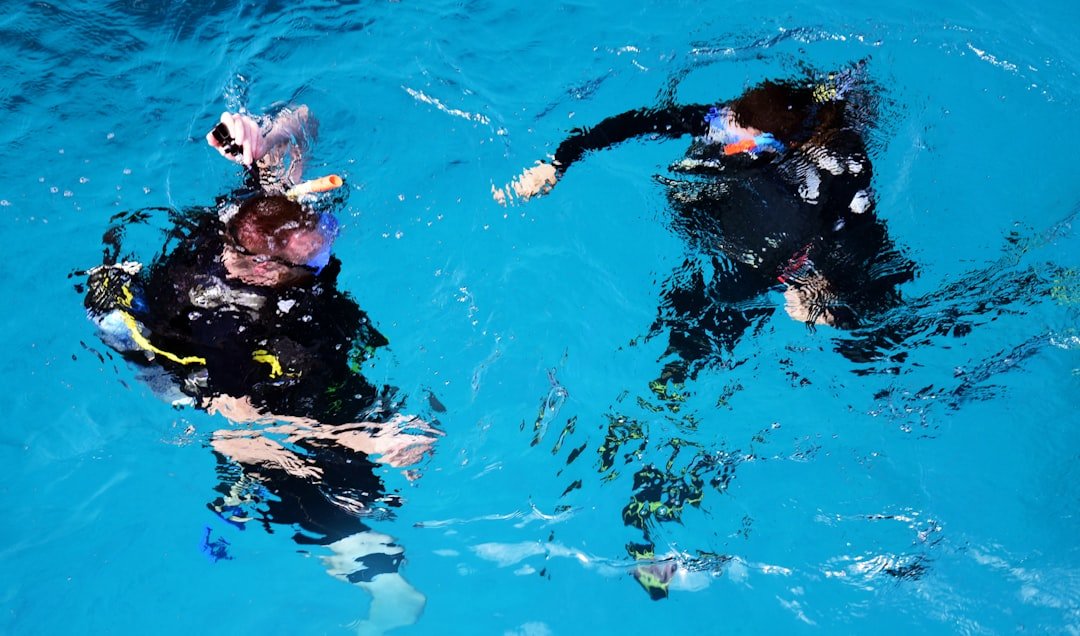
If you haven’t dived in months or years, how to prepare for a scuba refresher course isn’t just about signing up and showing up. Your body’s muscle memory fades faster than you’d think, your gear may need attention, and your confidence takes a real hit. The good news: how to prepare for a scuba refresher course is straightforward once you know what actually matters. Most divers nail their refresher when they walk in mentally ready and physically informed about what’s coming.
Why Your Refresher Matters More Than You Think
You’d think muscle memory alone carries you through after a long break from diving—it usually doesn’t. Your ears need recalibration for pressure equalization, your buoyancy control gets sloppy, and emergency skills like mask clearing feel foreign. A proper refresher course rewires those pathways and rebuilds confidence in an environment where mistakes aren’t catastrophic. Getting back in cold water without this structured review often leads to panic or early termination of the dive.
I’ve been diving with divers who skipped the refresher and regretted it hard.
| Skill Area | Typical Rust Level | Refresher Focus | Timeline to Recovery |
|---|---|---|---|
| Buoyancy Control | High | Weight distribution, BCD inflation timing | 1-2 dives |
| Mask Clearing | Medium | Controlled water intake, vision restoration | First pool session |
| Regulator Recovery | High | Breathing patterns, finding your second stage | 1-2 pool sessions |
| Pressure Equalization | Medium-High | Early and frequent equalization techniques | First open-water dive |
| Emergency Procedures | High | Out-of-air scenarios, buddy breathing | Full refresher course |
Physical and Mental Preparation Before Your Course
Start by being honest about your current fitness level. Diving demands cardiovascular endurance, core strength, and flexibility you may have lost. Swimming or light cardio for two weeks before your refresher helps your body remember oxygen management. Stretch your shoulders and hip flexors—your gear sits differently on your body now.
Mentally, acknowledge the gap without catastrophizing. A six-month break is normal. A five-year break needs more mental prep, but it’s still recoverable. Read through your original training manual or watch a skills refresher video online. Visualization works: close your eyes and walk through equalization, mask clearing, and regulator recovery before you’re in the water. Anxiety disappears faster when your brain has already practiced the motions.
How to prepare for a scuba refresher course also means choosing the right instructor environment. Pick an outfit that offers confined water sessions before open-water diving, not a crash program that dumps you in the ocean immediately.
Gear Check and Maintenance Before You Commit
Dust off your equipment and inspect everything methodically. Your wetsuit may feel stiff or smell questionable after storage—soak it in fresh water for an hour. Check your regulator and tank valve for corrosion or damage. Listen for air leaks when you attach your regulator to a charged tank. I’ve been diving with rental gear plenty of times, but equipment you own needs verification.
Checklist for your personal gear before the refresher:
- Wetsuit: Clean, flexible, no tears or delamination visible
- Regulator and primary second stage: Breathes smoothly, no hissing or free-flowing
- Tank: Valve operates, no rust inside the opening, holds air pressure for at least 24 hours
- BCD: Inflates fully with no sticky dumping valves or slow leaks
- Mask and fins: Straps intact, lenses clear, no cracks, fins not brittle
- Dive computer or SPG: Battery replaced if needed, displays clearly
- Weight system: Weighting is realistic for your current body composition and gear configuration
Most gear shops will service your regulator and BCD for a reasonable fee. This isn’t optional if your equipment sat unused for over a year.
What to Expect During Your Refresher Sessions
Your instructor will start in confined water—a pool or sheltered lagoon. You’ll relearn mask clearing, regulator recovery, equalization, buoyancy control, and emergency procedures. Don’t expect to feel natural immediately. Your body rewires faster than your confidence catches up.
How to prepare for a scuba refresher course includes knowing your instructor will keep you shallow for open-water dives. Depths of 30-40 feet are standard refresher territory, not the deep reefs you may have dived before. This is where most divers give up mentally—they think shallow water is beneath their experience level. It’s not. Shallow dives after a break are the foundation you need.
Here’s where the actual learning happens:
- Condition: You’ve been out of diving for an extended period and need to rebuild core skills safely.
- Audience: Certified divers returning to diving, not brand-new open-water candidates.
- Method: Structured skill practice in controlled environments, progressing to open water only after demonstration of competence.
- Steps: Start with confined water drills, complete pool-based mask and regulator recovery, perform buoyancy adjustments in shallow water, execute all skills in open-water confined depth, complete final check-out dives at slightly deeper depths.
- Warnings: Do not rush depth progression, do not dive without completing all confined water sessions, do not suppress anxiety or discomfort—communicate openly with your instructor immediately if anything feels off.
Skills to Practice Before Your First Refresher Session
Download a training app or watch videos demonstrating equalization, buoyancy control, and hand signals. Practice equalization in your bathtub—pinch your nose and gently blow air into your Eustachian tubes. Lie on your bed and practice controlled breathing: four-second inhale, six-second exhale. This rhythm reduces anxiety underwater and improves buoyancy.
Shadow a friend who still dives, or review dive logs from your best dives. Remember what worked then. Your confidence comes back faster when you’ve mentally rehearsed success.
My Picks for This
- Shearwater Peregrine: Intuitive dive computer with large easy-to-read display and automatic air-consumption calculations so you focus on rebuilding skills, not math.
- Scubapro Hydros Pro: Forgiving BCD designed for comfort and buoyancy precision, perfect for divers relearning balance after a long break from diving.
- Mares Puck Pro+: Entry-level wireless dive computer with Bluetooth capability and zero learning curve, ideal for refresher students who want simplicity.
- Cressi Calibro: Balanced regulator that breathes like your body remembers, without the fussiness of high-performance gear you don’t need yet.
- GoPro Hero 12: Record your refresher dives to review technique and build confidence seeing yourself perform skills successfully.
Frequently Asked Questions (FAQ)
Q1. How long should my refresher course actually take?
Most refresher courses run two to four days depending on your break length and the dive operator’s structure. A six-month break typically needs one day of confined water plus two open-water dives. A five-year break may need two days of confined water and three open-water dives. Ask your instructor upfront how to prepare for a scuba refresher course given your specific situation.
Q2. Can I rent gear during my refresher instead of using my own?
Yes, most operators encourage this for divers returning from a long break. Rental gear removes one variable while you rebuild muscle memory. That said, rental equipment sizing varies wildly—confirm your fits at least 24 hours before diving, not minutes before entering the water.
Q3. What should I eat or drink before refresher training dives?
Eat a light meal two to three hours before diving. Avoid large breakfasts right before confined water sessions. Stay hydrated throughout training, but avoid excessive water intake immediately before suiting up. Most dive operators provide guidance on pre-dive nutrition—follow their recommendations.
Q4. Will my certification card still be valid after a long break?
Your certification card never expires legally, but many operators require a refresher before allowing you to dive independently. After a refresher, your card remains valid, though some operators log your refresher completion on your dive record. Ask your dive center what documentation they need how to prepare for a scuba refresher course in your region.
Q5. Should I do my refresher in warm water or cold water?
Warm water is psychologically easier for rebuilding confidence, but practicing in the conditions where you’ll actually dive matters. If you’re returning to dive in cold water, warm-water refreshers prepare your mind but leave your body unprepared for thermal stress. Consider a two-phase refresher: warm water for basic skills, then cold water for final checkout dives specific to your destination.
Q6. What if I panic or feel unsafe during my refresher?
Stop immediately. Surface safely and communicate your concern to your instructor. Panic is information, not failure. Instructors are trained to slow everything down and rebuild your confidence one breath at a time. Most divers who pause and reset during refresher training go on to dive confidently afterward.
Related posts
This post is for informational purposes only and does not constitute professional diving instruction, medical advice, or travel guidance. Scuba diving involves inherent risks — always train with a certified instructor and consult a physician before diving. Prices, product specs, dive site conditions, operator schedules, and entry requirements are subject to change without notice. Always verify current details directly with manufacturers, retailers, dive operators, and local authorities. This site may contain affiliate links — purchases made through our links may earn us a commission at no extra cost to you.