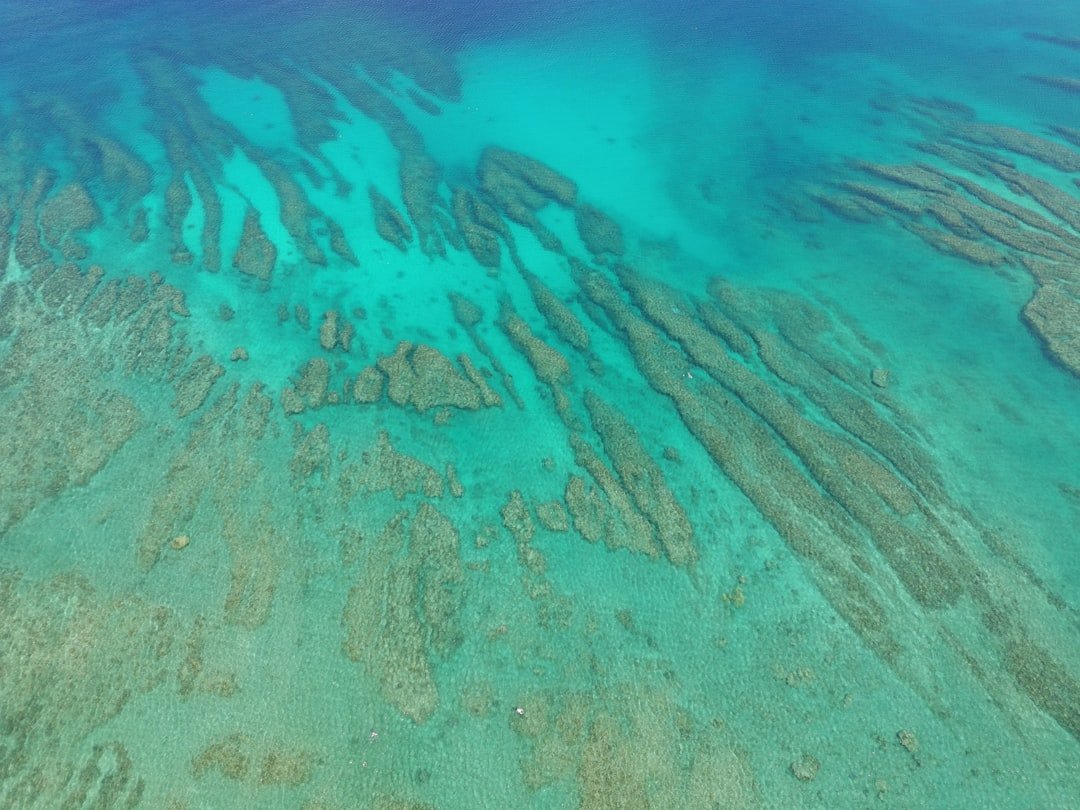
The best diving in Aruba doesn’t require expensive boat charters or early wake-up calls. Shore diving dominates here, and that changes everything about how you plan a dive trip. Most recreational divers don’t realize Aruba offers world-class reefs, calm conditions, and accessibility that makes it ideal for families mixing diving with relaxation.
Why Shore Diving Makes Aruba Stand Out
Aruba sits outside the hurricane belt with minimal current and water temperatures between 78–84°F year-round. The reef structure starts in knee-deep water and slopes gradually to deeper sections, which means you control your depth rather than fighting conditions. I’ve been diving the best diving in Aruba for years, and the shore-entry sites remain my top recommendation for mixed-ability groups. Entry points like Malmok Beach, Fisherman’s Huts, and Boca Catalina put you on the reef within minutes.
You’d think calm, shallow waters would mean boring diving — they usually don’t.
Aruba’s reefs host dense coral formations, eagle rays, tarpon, and consistent tropical fish life. Visibility often runs 80–100 feet, and the lack of surge means your underwater photography stays sharp. Shore diving also means you dive on your schedule, not the operator’s timetable. Families split time between diving and beach days without logistics nightmares.
| Shore Dive Site | Entry Difficulty | Best For | Depth Range |
|---|---|---|---|
| Malmok Beach | Easy | Beginners, wide coral variety | 15–60 feet |
| Fisherman’s Huts | Moderate | Intermediate divers, eagle rays | 30–80 feet |
| Boca Catalina | Easy to moderate | Families, reef exploration | 20–65 feet |
| Gal’s Point | Moderate | Advanced divers, wall diving | 40–100+ feet |
Planning Your Family-Friendly Dive Trip to Aruba
Best diving in Aruba requires zero planning complexity because shore access means no pre-arranged boat slots or group sizes. Families arrive with their own pace, dive solo or together, and surface when ready. Most people don’t realize this flexibility eliminates the stress that kills dive vacations.
Pre-Dive Logistics Checklist
- Check your certification level against site difficulty ratings before booking
- Verify rental gear availability and condition through your accommodation or local operator
- Confirm entry requirements, visas, and travel insurance cover your group ages
- Research current weather patterns and water conditions for your travel dates
- Reserve parking near your chosen entry beaches in advance during peak season
- Download a reef map or dive app showing site GPS coordinates and hazards
Gear Setup for the Best Diving in Aruba
Shore diving demands different gear priorities than boat diving. You’re walking entry points, sometimes over coral rubble or rocky terrain, so your fins need ankle support and durability. I’ve been diving with split-fin designs here for years, and they excel in the minimal-current environment Aruba offers. A 3mm wetsuit or shorty keeps you warm enough for multiple dives daily without weighing you down on beach walks.
Dive computers for Aruba should display water temperature and dive time clearly.
Since most dives stay shallow and relaxed, recreational computers handle all your needs — you don’t need technical features. Underwater cameras thrive in Aruba’s clarity, but pack a sturdy housing if you’re shooting mirrorless. I’ve seen so many divers bring expensive gear without testing it in calm water first, then abandon it after the third dive.
Step-by-Step Shore Dive Entry and Safety
Condition: You’ve completed entry-level open water certification, own basic gear or arranged rentals, and want to dive shore sites safely.
Audience: Recreational divers aged 25–50 planning a family dive vacation to Aruba.
Method: Shore diving combines equipment setup, buddy communication, and environmental awareness in a specific sequence that keeps everyone safe and comfortable.
- Inspect your rental or personal gear fully in your accommodation before heading to the beach — test regulator free flow, BC inflate/deflate, and fin straps
- Transport gear to the beach in a mesh bag to drain sand and salt water immediately after setup
- Assemble your kit on a dry towel or gear bag, away from active beach traffic and sun-exposed sand
- Confirm weather, wave height, and water entry difficulty with another diver or local staff before entering the water
- Perform a buddy check with your partner using the standard sequence: weights, BC, regulator primary and alternate, tank valve, and weighting verification
- Wade into the water slowly, test your weighting in shallow water, and adjust lead or BC buoyancy before descending past 10 feet
- Stay in visual contact with your buddy at all times — this is the part that actually matters because shore currents can separate divers without warning
- Signal ascent when air remaining or bottom time hits your limits, ascend at a controlled rate under 30 feet per minute, and make safety stops at 15 feet for three minutes if air allows
- Exit the water by reversing your entry path, remove heavy gear in shallow water to reduce strain, and rinse everything immediately in fresh water
My Picks for This
- Garmin Descent Mk3i displays water temperature, surface intervals, and dive logs that sync with Aruba’s thermal variations and repetitive diving patterns.
- Mares Avanti Quattro Plus Fins offer ankle support and power for rock entries while keeping weight minimal for beach walks between shore sites.
- Olympus TG-7 shoots sharp reef detail in Aruba’s high-visibility water without the setup complexity of larger housings.
- Cressi Calibro Computer tracks conservative dive profiles and displays information clearly during shallow recreational dives on Aruba’s reefs.
- Scubapro Hydros Pro BC balances comfort during multi-day shore diving with streamlined packing for family vacations.
Frequently Asked Questions (FAQ)
Q1. What certification level do I need for the best diving in Aruba?
Open water certification covers 80 percent of Aruba’s shore sites. Advanced certification opens Gal’s Point and deeper sections, but most families find plenty of content at recreational depths. Check site-specific requirements before booking.
Q2. Is the best diving in Aruba actually family-friendly for non-diving partners?
Yes. Non-divers enjoy beach time, snorkeling in the same calm water, and exploring coastal villages. Aruba’s small size means dive sites and tourist areas stay within 20 minutes driving.
Q3. When is the best time to dive in Aruba, and does season affect conditions?
Year-round diving works in Aruba. Dry season (January–April) brings slightly calmer conditions, while wet season (September–November) sees occasional rain but continues excellent diving. Water temperature stays between 78–84°F regardless of season.
Q4. How much does renting gear cost for shore diving in Aruba?
Rental pricing varies by operator, but budget ranges typically fall between USD 40–80 per day for complete gear packages. BCs, regulators, and computers often rent separately. Verify current pricing directly with local operators before arriving.
Q5. Can I shore dive solo, or do I need a buddy in Aruba?
Buddy diving stays mandatory for recreational certification and diver safety. Aruba’s calm conditions don’t override the buddy system — find a local operator or dive club to connect with other solo travelers before your trip.
Q6. What’s the biggest mistake divers make planning the best diving in Aruba?
Overpacking. Recreational divers bring technical gear, multiple cameras, and unused certification training. Shore diving in Aruba rewards simplicity — bring what you’ve used before.
This post is for informational purposes only and does not constitute professional diving instruction, medical advice, or travel guidance. Scuba diving involves inherent risks — always train with a certified instructor and consult a physician before diving. Prices, product specs, dive site conditions, operator schedules, and entry requirements are subject to change without notice. Always verify current details directly with manufacturers, retailers, dive operators, and local authorities. This site may contain affiliate links — purchases made through our links may earn us a commission at no extra cost to you.