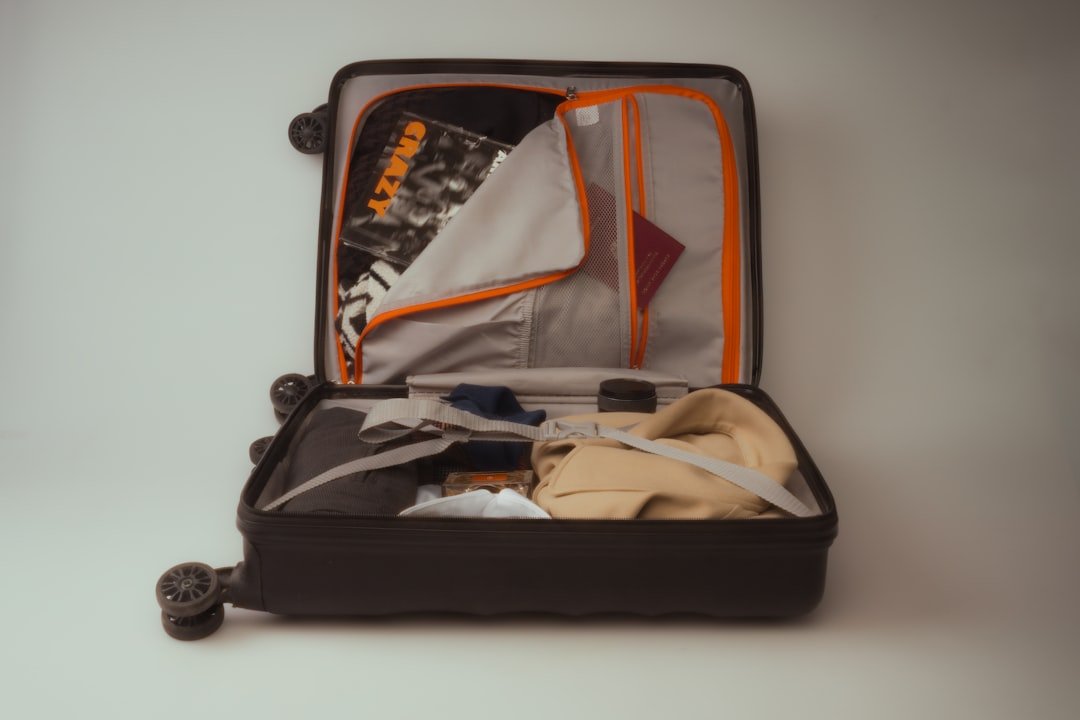
Packing scuba gear for travel is where most divers either succeed brilliantly or arrive at their destination with damaged regulators and forgotten essentials. The difference comes down to knowing how to pack scuba gear for travel before you even touch your duffel bag. I’ve been diving with rental gear in twenty countries, and the ones that arrived safely shared one thing: a system. This guide gives you that system—weight limits, protection methods, and organization tactics that work whether you’re flying to Cozumel or driving to the Caribbean.
Understanding Airline Weight Limits and Baggage Rules
Most major airlines allow 50 pounds per checked bag. Your BC, wetsuit, fins, and boots alone sit around 15–20 pounds depending on thickness and material. Add tanks, regulators, and dive computers and you’re climbing fast. Here’s the reality: overpacking happens. I’ve seen so many divers stuff everything into one bag, discover it’s 65 pounds at check-in, and have to abandon gear or pay premium fees.
Split your load across two bags if you’re traveling with a full kit.
Call your airline before you pack. Rules vary—some carriers charge extra for diving equipment, some don’t. Verify what counts as a single item. That wheeled gear bag counts as one checked bag, period. Your carry-on stays separate. Many divers don’t realize airlines often ask about diving equipment specifically, and honesty here prevents complications at the gate. Regulators and dive computers travel fine in checked luggage if they’re in hard cases.
| Typical Gear Item | Weight Range (lbs) | Best Packing Method | Airline Restrictions |
|---|---|---|---|
| BC with Integrated Weights | 8–12 | Padded gear bag | Checked bag only |
| Steel Tank | 28–32 | Padded foam or dedicated holder | Often prohibited—rent locally |
| Aluminum Tank | 30–34 | Protected compartment | Often prohibited—rent locally |
| Regulator with First and Second Stage | 2–3 | Mesh bag then hard case | Checked bag, fully drained |
| Wetsuit (3mm) | 1–2 | Rolled tightly or vacuum sealed | No restrictions |
| Fins and Booties | 2–4 | Separate compartment or shoe bag | No restrictions |
| Dive Computer | 0.3–0.5 | Padded pouch inside carry-on | Carry-on recommended |
| Camera Housing and Housing | 1–2 | Protective case with padding | Carry-on or checked—your choice |
Notice tanks usually stay off the airplane. Most dive operators rent locally to avoid transport liability and airline prohibition. Rent tanks at your destination. This decision alone cuts your luggage weight by 30 pounds and eliminates a major packing headache.
How to Pack Scuba Gear for Travel: Protection First
Damage happens in baggage holds. TSA handlers drop bags. Planes shift cargo during flight. Your regulator cost $600. Your BC cost $800. Treat them accordingly.
Invest in one quality padded gear bag for your main equipment.
Hard cases are overweight and impractical for travel. A padded roller bag designed for dive gear—usually 30–40 inches long—holds everything and rolls easily from curb to boat. These bags have internal dividers, foam padding, and mesh compartments built exactly for scuba equipment. Fill empty spaces with soft items like t-shirts or towels, not crumpled newspaper. Compression matters less than protection. I’ve been diving with the same gear bag for four years. It’s traveled through airports across three continents and kept my regulators pristine.
Your regulator deserves individual protection.
Wrap it in a microfiber cloth, then place it in a padded mesh bag, then in its original hard case if you still have it. Regulators get expensive to repair when salt intrusion happens from impact. Pack your BC beside the regulator with bubble wrap around the second stage. Keep the BC inflated slightly—just enough to cushion it without over-pressuring the bladder during altitude changes.
Cameras and housings need their own small hard case.
Underwater camera housings are precision tools. One lens element crack ends your camera system. Padding, padding, and more padding. Small hard cases fit in carry-on luggage and keep your camera safe from baggage handler drama. You’d think camera equipment would survive standard packing—it usually doesn’t. Pack it like it’s made of glass. Because optically, it is.
Organization Tips That Save Time at Your Destination
You land after eight hours of flying. The boat leaves in three hours. Disorganization costs you dives. Organization gets you wet on schedule.
Create zones inside your gear bag before you pack anything.
- Upper compartment: regulators, dive computer, underwater camera, backup battery, and small tools
- Middle section: BC, weighted harness, and buoyancy accessories
- Lower section: wetsuit, booties, and thermal layers
- Side pockets: mask and snorkel, fins, and sunscreen
- Exterior mesh pouches: log book, certification cards, and entry tickets
Roll your wetsuit, don’t fold it.
Rolling reduces wrinkles, saves space, and makes the suit easier to locate. Place rolled wetsuits along the gear bag’s sides where they act as cushioning for your regulators and BC. Most people don’t realize a properly rolled wetsuit also works as emergency padding for fragile items packed nearby. Your fins stay with your booties in a ventilated bag, separate from everything else so moisture doesn’t spread to other gear.
Use mesh bags for everything possible.
Mesh allows water and moisture to escape quickly. Pack your regulator in mesh before the hard case. Pack your boots in mesh. Pack your backup octopus in mesh. This prevents mildew, keeps items easy to spot, and lets you rinse gear without removing it from the bag. Solid bags trap moisture and create problems by day two of your trip.
Step-by-Step: How to Pack Scuba Gear for Travel Like a Pro
Condition: You’re leaving for a dive trip and have a full kit of personal diving equipment. You’ve confirmed your airline’s weight and baggage policies and chosen to fly with personal gear instead of renting.
Audience: Recreational divers aged 25–50 who own their own equipment and want to travel without damage or excess baggage fees.
Method: Strategic compartmentalization using a padded roller bag, mesh subdivision, and protective layering ensures your gear arrives ready to dive.
Steps:
- Empty your gear bag completely and inspect all compartments for damage, tears, or broken zippers. This is the part that actually matters—a zipper failure at the airport ruins your trip.
- Drain your regulator completely by pressing the purge button underwater one last time before packing, then let it air-dry for 24 hours. No salt water inside the first stage when you fly.
- Wrap your regulator in a microfiber cloth, place it in a padded mesh bag, and store it in the hard case or a small protective pouch. Position it in your gear bag’s upper compartment, protected on all sides.
- Roll your wetsuit tightly around itself and position it along one interior side of the gear bag as cushioning.
- Place your BC inflated to about 10 percent capacity beside the regulator, nestled in the upper middle section.
- Pack your dive computer in a padded pouch—this goes in your carry-on, never your checked bag. Here’s where most divers give up: they throw it in checked luggage and lose it to baggage handlers or pressure changes.
- Place fins and booties in a ventilated mesh bag in the side pocket where water can drain if gear got wet during transport.
- Fill remaining dead space with soft items—t-shirts, towels, underwear—never crumpled paper that attracts moisture.
- Weigh your packed bag at home. If it exceeds 50 pounds, remove the second tank or redundant items and split across two bags.
- Place a luggage tag with your name and phone number on the bag. Attach a bright colored ribbon to identify your bag on the luggage carousel.
Warnings: Never pack your dive computer in checked luggage—pressure changes in cargo hold damage electronics. Never leave regulators wet overnight—salt corrodes internal components. Never compress your BC flat with heavy items on top—it damages the air bladder. Do not pack weights directly against your regulator—they shift during flight and crack hoses.
My Picks for This
- Zeagle Scope Dual Lens Mask — Impact-resistant tempered glass and soft silicone protect your eyes, pack flat in your gear bag, and help you spot marine life underwater without taking up significant space in luggage.
- Hollis SMS100 Sidemount Gear Bag — Padded compartments, roller wheels, and mesh dividers organize your equipment and distribute weight evenly during travel to stay under airline limits.
- Garmin Descent Mk3i — Compact dive computer, air-integrated, acts as both safety tool and backup computer—carry it on the plane to eliminate cargo hold risk.
- GoPro Hero 12 Black Mini — Lightweight underwater camera with rugged housing that survives baggage handlers and captures full HD underwater footage without bulky camera systems.
- Cressi Zoom Mask — Lightweight, durable, and compresses for packing, this mask stays protected in a small mesh bag and survives airport travel without delamination issues.
Frequently Asked Questions (FAQ)
Q1. Can I pack my scuba tank in my checked luggage?
No. Most airlines prohibit compressed gas cylinders—both aluminum and steel tanks—in checked or carry-on luggage regardless of whether they’re empty or full. Rent tanks at your dive destination. Operators rent locally because it’s safer, cheaper for you, and legal. Your airline’s baggage policy will explicitly forbid compressed cylinders.
Q2. Is my dive computer safer in carry-on or checked luggage?
Carry-on only. Baggage holds experience pressure changes and extreme temperatures that damage electronics and batteries. Your dive computer is one of your most expensive and most important pieces of equipment. Keep it with you on the plane. Most dive computers fit in a small padded pouch that slides into a personal item.
Q3. How much does a quality padded gear bag cost?
Expect to spend between $150–$300 for a decent padded roller gear bag designed specifically for scuba equipment. This is an investment that pays for itself on your second international trip because it eliminates baggage fees for oversized or overweight bags, protects gear worth thousands of dollars, and lasts 5–10 years. Cheaper bags compress poorly and offer inadequate padding.
Q4. Should I vacuum-seal my wetsuit to save space?
No. Vacuum sealing compresses air pockets and can damage the neoprene’s structure, especially if your wetsuit is thick. Rolling is more effective, doesn’t damage the material, and still saves significant space. Rolled wetsuits pack efficiently and also serve as internal padding for fragile items.
Q5. What’s the best way to prevent my regulator from getting damaged during travel?
Drain your regulator completely before packing, let it air-dry for 24 hours, wrap it in a microfiber cloth, place it in a padded mesh bag, and store it in your original hard case or a protective pouch. Position it in your gear bag surrounded by soft items—never directly against hard surfaces or weights. Keep it in a separate compartment away from high-pressure areas of the bag.
Q6. Can I pack my underwater camera in my checked bag or should it be carry-on?
Either works if you use a proper hard case with internal padding. Most divers prefer carry-on to maintain full control and eliminate risk of baggage handler damage. Underwater camera housings are precision instruments—treat them that way. Small hard cases fit easily in carry-on luggage and keep your entire camera system safe from pressure, impact, and temperature extremes during flight.
This post is for informational purposes only and does not constitute professional diving instruction, medical advice, or travel guidance. Scuba diving involves inherent risks — always train with a certified instructor and consult a physician before diving. Prices, product specs, dive site conditions, operator schedules, and entry requirements are subject to change without notice. Always verify current details directly with manufacturers, retailers, dive operators, and local authorities. This site may contain affiliate links — purchases made through our links may earn us a commission at no extra cost to you.