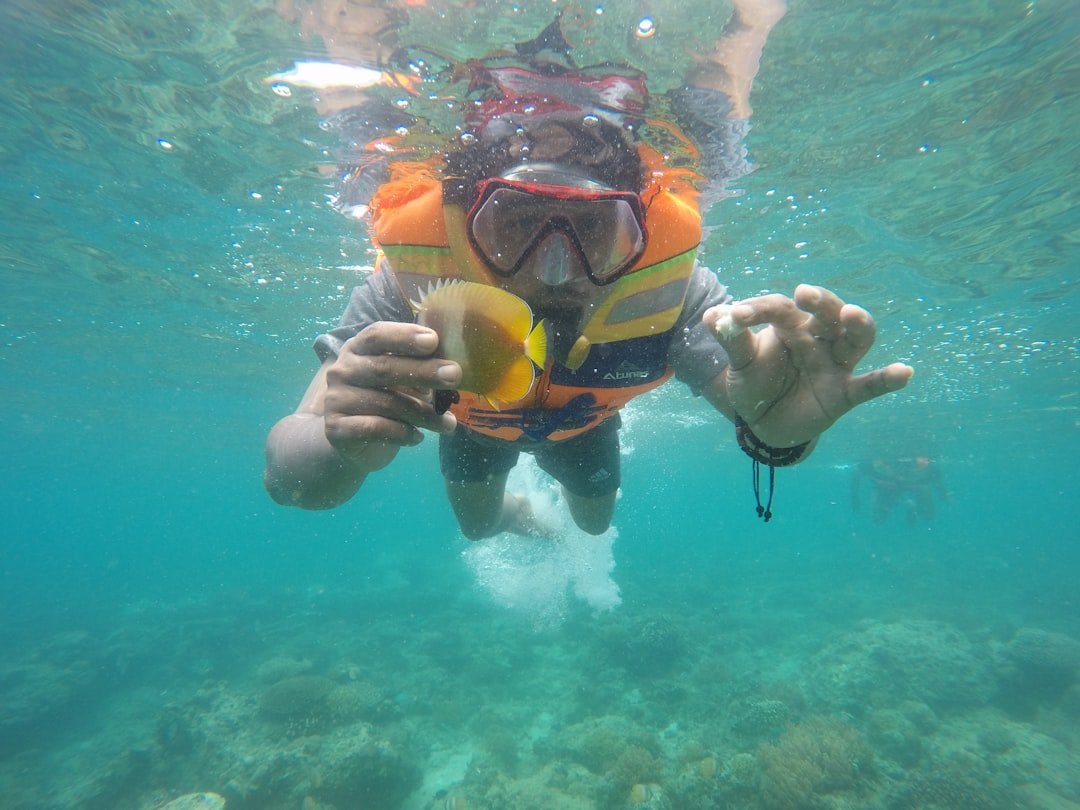
The best BCDs for travel diving solve one specific problem: getting you the lift, support, and durability you need without dragging extra weight through airports or eating up luggage space. If you’re diving warm water destinations where you don’t need a thick wetsuit, a lightweight and packable BCD is the answer. Most divers waste money buying travel-specific gear that feels fragile or incomplete—this post shows you what actually works.
Why Lightweight and Packable BCDs Matter for Travel Divers
You’ve already committed to a dive trip. The last thing you want is to spend half your luggage allowance on gear. Packing a full-size recreational BCD means sacrificing checked bag space or paying excess baggage fees. That’s why the best BCDs for travel diving have become essential for anyone diving outside their home region.
Weight reduction doesn’t mean weakness.
Travel-focused BCDs strip away features you don’t need—extra D-rings, heavy padding, integrated weights—while keeping everything that matters: proper lift capacity, trim pockets, and reliable inflation mechanisms. I’ve been diving with lightweight BCDs for years now, and the difference between a travel model and a standard recreational BCD becomes obvious on the second day when your shoulders stop aching from lugging gear through three airports.
Most people don’t realize that ultralight BCDs still carry the same maximum lift as standard models—they just weigh 2 to 4 pounds less because manufacturers remove unnecessary bulk. You’re not sacrificing capacity or safety; you’re choosing efficiency. The best BCDs for travel diving compress into a space roughly the size of a large backpack, which means you can actually enjoy the destination instead of managing luggage logistics.
| BCD Type | Typical Weight | Best For | Packing Size |
|---|---|---|---|
| Travel/Ultralight | 3–5 lbs | Warm water, frequent flyers | Backpack size |
| Recreational Standard | 6–8 lbs | Local diving, varied water temps | Large duffel |
| Wing-Style | 4–6 lbs | Technical training, cold water | Fits travel luggage |
| Back-Inflate | 3–5 lbs | Simplicity and compactness | Backpack size |
What to Look for When Choosing the Best BCDs for Travel Diving
Before you buy, make sure the BCD actually addresses your travel needs. Here’s what separates gear that works from gear that sits in your closet.
- Maximum lift capacity meets or exceeds your weight, exposure suit, and tank weight combined
- Material dries quickly without absorbing water—nylon or coated fabrics work best
- Inflation dump valve responds instantly without sticking or leaking air
- Trim pockets hold at least 4 pounds of integrated weight
- Shoulder straps stay secure during entry and exit without shifting
- Compressed packed volume fits inside a 22-inch carry-on or small checked bag
You’d think lightweight means fragile—it usually doesn’t. Modern travel BCDs use the same military-grade materials and reinforced stitching as full-size recreational models. The weight savings come from removing features like heavy back panels and excessive padding, not from cutting corners on durability.
How to Pack and Prepare Your Travel BCD
Condition: You own a lightweight BCD and need to transport it to a dive destination without damage.
Audience: Recreational divers aged 25–50 traveling internationally or driving long distances to dive sites.
Method: Compress, protect, and organize so your gear arrives ready to dive without wrinkles, mold, or leaks.
- Rinse your BCD with fresh water inside and out, then hang it to dry completely before packing—moisture attracts mold and odor during travel
- Deflate the bladder fully and wipe the interior dry with a microfiber cloth
- Roll the BCD loosely instead of folding it, which prevents creases that trap water and reduce inflation efficiency
- Place rolled BCD in a mesh travel bag or dry sack, not a sealed plastic bag, which traps humidity
- Tuck the bag into your luggage with soft items like clothing around it to prevent crushing
- Inspect the inflation valve and dump valve before your first dive to ensure they move freely—this is the part that actually matters
Here’s where most divers give up: they pack wet gear because they’re rushing to catch a flight. Your BCD will develop a smell that won’t wash out if you skip the drying step. Take 10 extra minutes at home.
My Picks for This
- Apeks Hydroid collapses to carry-on size while maintaining a 25-pound lift capacity and integrated trim pockets that keep your weighting precise in warm water.
- Scubapro Hydros Pro Travel features a streamlined back panel and quick-drying materials, making it ideal for resort diving where you might make two to three dives per day.
- Cressi Start Travel delivers simplicity and reliability at a mid-range price point, with a 17-pound lift capacity sufficient for recreational warm-water diving without unnecessary features.
- Mares Puck Compact offers minimal weight and maximum packability for divers who prioritize luggage space over integrated weights and trim pockets.
- Zeagle Scope Dual provides back-inflate comfort with easy inflation and deflation controls, plus a low-profile design that fits snugly in travel bags.
The Real Difference Between Travel and Standard BCDs
Travel BCDs solve a genuine problem that standard recreational models don’t: they acknowledge that divers need gear that fits their lifestyle. I’ve been diving this stuff long enough to recognize when a manufacturer gets it right.
Standard BCDs pack in features designed for local dive clubs—heavy padding, multiple D-rings, integrated weight systems, and thick materials that handle rough boat ramps and shore-entry rock. None of that matters when you’re flying to a Caribbean resort with professional guides and rental tanks. The best BCDs for travel diving remove those features without removing safety or reliability.
Packed weight difference is real. A travel BCD typically weighs 3 to 5 pounds, while a standard recreational BCD weighs 6 to 8 pounds. Across a checked bag already holding a regulator, fins, and a wetsuit, those 3 extra pounds add up. You’re paying less, carrying less, and getting exactly what you need.
Frequently Asked Questions (FAQ)
Q1. Can I use a travel BCD for cold-water diving?
Yes, but you’ll need to add weight compensation for thicker wetsuits and undergarments. Most travel BCDs have integrated trim pockets rated for 4 to 6 pounds of additional weight. If you’re diving in water below 50 degrees Fahrenheit regularly, a standard recreational or wing-style BCD might serve you better long-term.
Q2. How much does a quality travel BCD cost?
Prices for the best BCDs for travel diving range from around $200 for entry-level options to $600 for advanced models with integrated computers and trim features. Mid-range travel BCDs—$300 to $450—offer the best value for recreational divers making 10 to 20 dives per year.
Q3. Should I buy a travel BCD if I only dive locally?
If you’re not traveling or flying to dive destinations, a standard recreational BCD gives you more durability and integrated features for the same price. Buy a travel model only if luggage space and weight are genuine constraints in your diving life.
Q4. Do travel BCDs have integrated weight systems?
Most do, though the capacity is smaller than standard models—typically 4 to 6 pounds instead of 10 to 15. This works fine for warm-water diving with minimal exposure protection. Verify the specific model’s weight capacity before purchasing.
Q5. Can a travel BCD work as backup gear for my local dive club?
Absolutely. The best BCDs for travel diving perform perfectly at your home sites too. Many divers keep a lightweight BCD as emergency backup or for divers who need smaller sizing. Just remember that the lighter weight and compact design mean fewer attachment points and smaller pockets than full-size recreational models.
Related posts
This post is for informational purposes only and does not constitute professional diving instruction, medical advice, or travel guidance. Scuba diving involves inherent risks — always train with a certified instructor and consult a physician before diving. Prices, product specs, dive site conditions, operator schedules, and entry requirements are subject to change without notice. Always verify current details directly with manufacturers, retailers, dive operators, and local authorities. This site may contain affiliate links — purchases made through our links may earn us a commission at no extra cost to you.