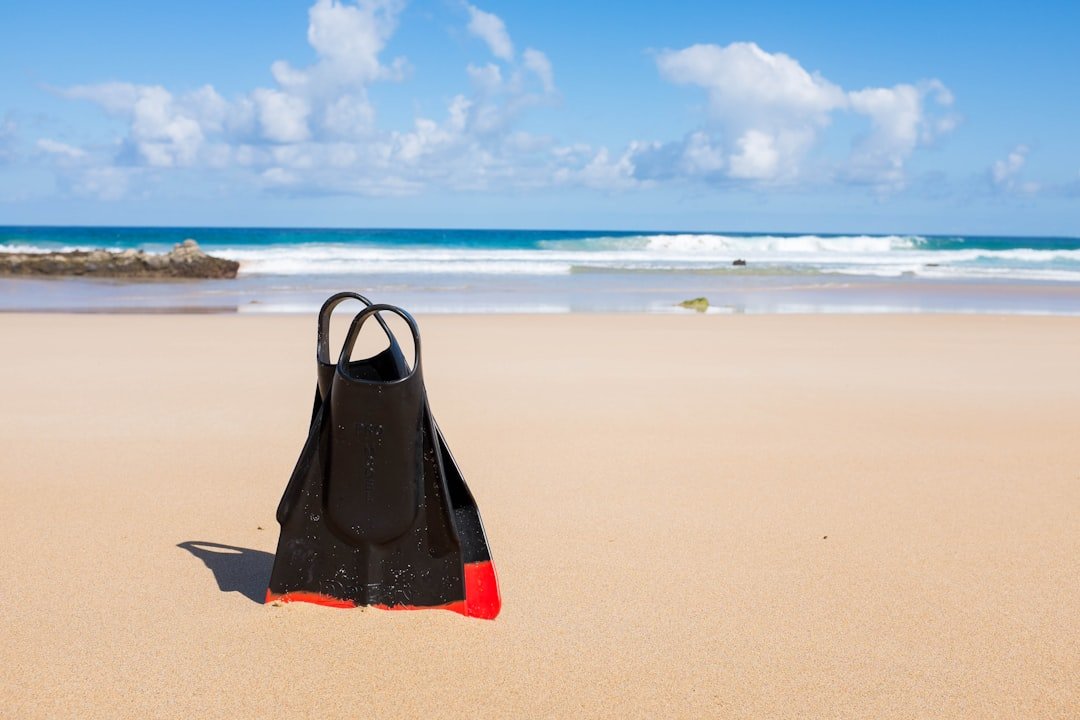
The best travel scuba fins for backpacking are usually compact full-foot fins for warm, calm trips or lightweight open-heel fins when you need booties and a more adjustable fit. The right choice depends more on your dive conditions than the smallest number on a luggage scale. That is the trade-off. For most recreational divers, the best travel scuba fins for backpacking are short-blade designs that fit inside or along the side of a carry-on-sized pack, yet still have enough stiffness to move a relaxed diver wearing a normal single-cylinder setup.
Best travel scuba fins for backpacking by trip type
A backpacking dive trip puts different demands on fins than a local boat-diving weekend. Space is tight. You may walk through airports, transfer between ferries, and carry your kit over uneven paths to a shore entry, so an oversized blade that performs well in current can become a nuisance before you even get wet. Researching the fin’s packed dimensions matters as much as checking its listed weight, because a wide blade can be awkward even when it is relatively light.
Warm-water resort diving usually favors a full-foot fin with a short or medium blade. These eliminate the need for separate neoprene boots, which removes a bulky item from your bag and keeps the whole fin setup simple. Fit is critical. A full-foot pocket should feel snug across the instep and heel without crushing your toes, since there is little adjustment once you are at the dive site.
| Fin style | Best use | Packing advantage | Main compromise |
|---|---|---|---|
| Short full-foot fin | Warm water, calm reefs, light exposure protection | No booties or heel straps to pack | Less versatile when water is cool or entries are rough |
| Compact open-heel fin | Travel diving with neoprene boots | Adjustable fit and better protection for shore entries | Booties add bulk and weight |
| Modular travel fin | Divers who prioritize a flatter packed shape | Some designs separate or fold more neatly | More parts to inspect and keep together |
| Stiff technical-style fin | Current, heavier exposure suits, precise control | Often durable for repeated travel | Usually heavier and harder to pack |
Several widely stocked models are worth putting on a research shortlist, but fit should decide the purchase. The Scubapro GO Travel is commonly considered by warm-water travelers because its short, flexible shape and self-adjusting heel arrangement aim to keep bulk down without using a traditional rigid open-heel setup. The Cressi Agua Short is another compact full-foot option often compared for tropical travel. Neither style is automatically right for cold water. Divers who use thick boots or regularly enter across rocks generally need the protection and adjustability of an open-heel system.
For that use, lightweight open-heel fins such as the Mares X-One and TUSA HyFlex Switch are often researched by travelers because they are less bulky than many traditional paddle fins. The HyFlex Switch uses a modular blade-and-pocket concept, which may suit a traveler who values a flatter packing layout, although detachable components need a quick check before every dive. Keep it simple. A fin with a missing strap, loose buckle, or damaged attachment point can end a dive day before the boat leaves.
Weight is only one part of packability
It is easy to chase the lightest advertised pair, but listed fin weights can differ by size and may or may not include straps. Check the manufacturer’s current size chart. A compact fin that weighs slightly more but sits flat against the back panel of your pack can travel better than a featherweight model with a broad, curved blade that catches on every zipper and dry bag.
Consider the total footwear system instead of the fins alone. A full-foot pair might save the equivalent of a pair of boots, but only if it fits bare feet comfortably and the trip has warm water, sandy entries, and no need for substantial foot protection. An open-heel pair plus low-cut neoprene boots takes more room, yet it is often the practical answer for volcanic shorelines, metal boat ladders, or dives where the water temperature makes bare feet unpleasant. Conditions decide this.
Blade stiffness also affects how a travel fin feels underwater. Soft blades are usually easier on the legs during gentle flutter kicks and can feel pleasant on long, shallow reef dives. Stiffer blades transmit more force, which can help when maintaining position in current or moving a larger diver with a thicker suit, but they may feel tiring if your technique is inefficient. A compact blade does not create the same leverage as a long fin. That is normal.
Choose the pocket before the blade
A bad pocket fit ruins even an otherwise sensible travel fin. Pressure across the top of the foot, heel slip, toe cramping, or a buckle that rubs during a fin test are warning signs, not minor issues to ignore until vacation. Try fins on with the exact socks or boots you expect to dive. Five minutes indoors can reveal a lot, but a dive shop pool session or controlled shore dive gives a much more useful answer when one is available.
For open-heel fins, look at the strap system closely. Spring-style straps can be convenient and less fiddly than conventional rubber straps, while adjustable straps may give more control over fit with different boot thicknesses. Both can work. The key is that you can operate the buckle with wet hands and that the heel cup holds your boot securely without squeezing the Achilles area.
For full-foot fins, pay attention to the pocket shape rather than relying only on shoe size. Brand sizing is inconsistent. A pocket that feels acceptable in a dry store can become loose in water, and a tight pocket can cause painful rubbing after a long surface swim. If you fall between sizes, ask the retailer about its return policy before using the fins in water, since policies vary by region and use condition.
Match fin power to the planned diving
Backpacking does not mean every dive will be easy. Some tropical destinations have strong tidal movement, long surface swims, or boat pickups where you need to fin steadily against wind chop. In those cases, an ultra-short snorkeling-style fin may pack beautifully but leave you working harder than you want to while wearing scuba equipment. Carrying a few extra ounces can be sensible. Choose a fin designed and sold for scuba use, then assess whether its blade and pocket suit your exposure suit, cylinder setup, and typical kick style.
Do not buy a stiff fin solely because it sounds more powerful. A fin that is too demanding can encourage knee-heavy kicking and leg fatigue, especially when a diver has not practiced efficient frog kicks or flutter kicks in that design. Training helps. A certified instructor can assess buoyancy, trim, and propulsion in the conditions you plan to dive, which is safer and more useful than trying to solve every in-water problem with a different fin.
A practical buying check before departure
Use this quick process before committing to packable and lightweight options. It avoids the common mistake of buying fins for a hypothetical trip rather than the actual destination on your itinerary.
- Check the expected water temperature, entry type, and current with the dive operator.
- Decide whether you need boots. If the answer is yes, start with compact open-heel fins.
- Measure your bag’s internal length and width, then compare them with the manufacturer’s current fin dimensions in your size.
- Try the fins with your planned boots or barefoot setup and walk a few steps to check heel security.
- Inspect straps, buckles, blade joints, and drain openings before the trip.
- Take a small backup strap or appropriate repair item only if it matches the fin design and you know how to fit it correctly.
A simple worked example makes the decision clearer. If your backpack has a 55 cm internal height and your preferred open-heel fin is 66 cm long, it may need to ride outside the pack or force awkward packing around the regulator and mask box. A 50 cm travel fin can fit inside, but it is only the better choice if it stays secure on your boot and provides adequate control for the dives booked. Measure first.
Where travel fins make the most sense
Travel fins are strongest for divers who fly often, rent cylinders and BCDs at the destination, and want to bring the personal items that affect fit most: mask, computer, exposure protection, and fins. They are less compelling when a trip involves cold water, heavy steel cylinders, repeated current diving, or long shore entries over rough ground. In those cases, a larger conventional open-heel fin can be the more comfortable tool, even though it costs space in the bag.
The best purchase is rarely the absolute lightest pair. It is the pair you can pack without hassle, wear without pain, and use confidently in the real conditions of your trip. Read current manufacturer specifications, confirm local conditions with the operator, and test fit before travel whenever possible. A compact fin is useful. A properly fitted one is far better.
Related posts
This article is for general informational purposes only and is not dive training or medical advice. Always train with a certified instructor and consult a doctor before diving if you have any health concerns. Gear specs, pricing, site conditions, and operator schedules change, so verify current details directly with the manufacturer or dive operator.
Disclosure: This post may contain affiliate links. If you click through and make a purchase, we may earn a commission at no extra cost to you. We only recommend gear we’ve researched or genuinely believe in.