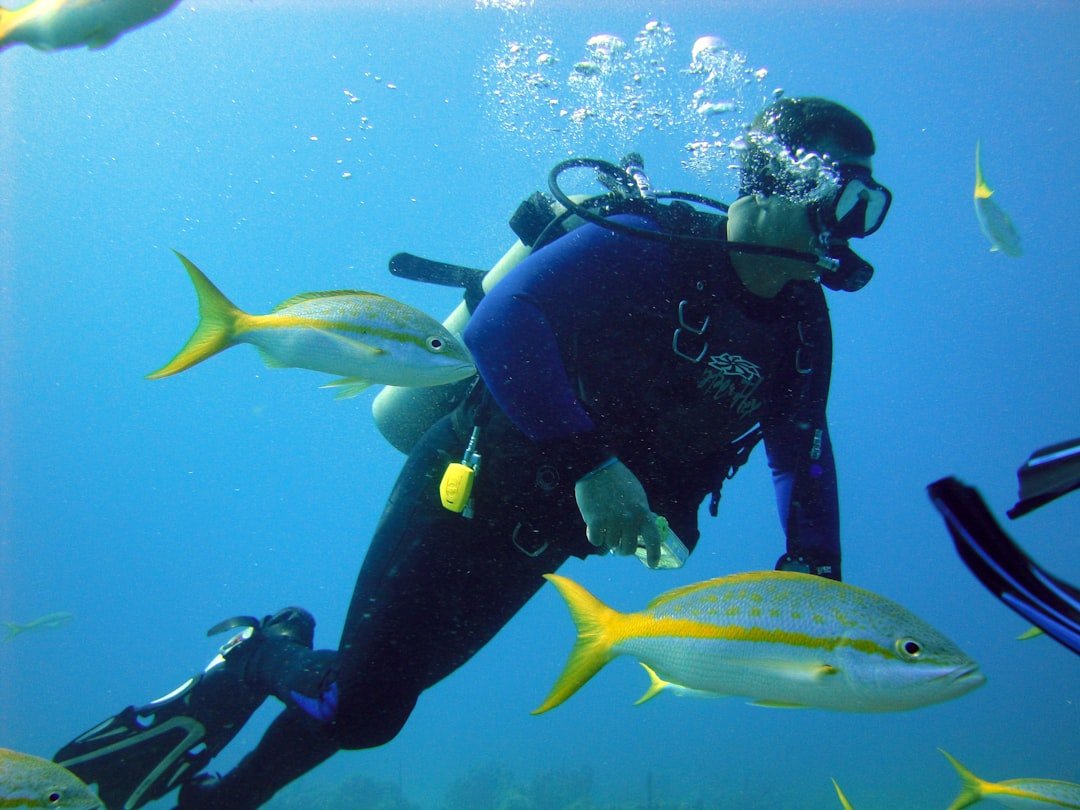
Your buoyancy compensator is the single most important piece of gear you’ll invest in after your regulator, so picking between a back inflate BCD vs jacket BCD matters far more than most new divers realize. The choice shapes how you’ll feel underwater for hundreds of dives. I’ve been diving with both styles for years, and I can tell you straight: one isn’t universally better. Your body, your diving goals, and your comfort level should guide this decision.
Back Inflate BCD vs Jacket BCD: Quick Comparison
| Feature | Back Inflate BCD | Jacket BCD |
|---|---|---|
| Inflation Position | Behind shoulders and along spine | Front, sides, and around torso |
| Trim Control Underwater | Naturally horizontal, precise | Requires more active adjustment |
| Ease of Entry/Exit | Simpler on deck, less bulk | More straps, takes longer to don |
| Beginner-Friendly | Moderate learning curve | Easier initial comfort, less responsive |
| Surface Flotation | Face-forward position at surface | Full upper-body support, easier rescue positioning |
What Makes a Back Inflate BCD vs Jacket BCD Different
Shape and placement. That’s the core difference. A back inflate BCD vs jacket BCD distribute lift in completely different ways, and your body feels the underwater consequence immediately. Back inflate models push air behind you—specifically along your spine and across your shoulders. This geometry forces your body into a horizontal position naturally. You’re not fighting the equipment. You’re working with it.
Jacket BCDs wrap around your entire torso like a vest. Air fills the front, sides, and back simultaneously. You float more upright at the surface. On the boat, it feels comfortable and supportive. Underwater, you’re constantly micro-adjusting your position because the buoyancy is pulling you in multiple directions at once.
Most divers don’t realize that a back inflate BCD vs jacket BCD creates a psychological shift, not just a physical one. With a back inflate, you trust the equipment more because it’s working in concert with your natural body mechanics. You add air, and boom—you stay horizontal without thinking about it. Jacket styles demand more active participation from you.
Pros and Cons for New Divers: Honest Breakdown
You’d think a jacket BCD is easier for beginners—it usually doesn’t work out that way once you’re actually diving.
Jacket BCD Pros: Surface flotation is forgiving and confidence-building. The straps and pockets feel familiar if you’ve worn a backpack. You can wear it around the dive shop without looking out of place. Price entry points are typically lower than premium back inflate models. Rescue positioning is automatic—you naturally stay face-up.
Jacket BCD Cons: Underwater trim takes practice. You’ll spend your first 20 dives fighting to stay horizontal instead of enjoying the reef. The wraparound design makes movement feel restricted. Most people ditch the thing after the third dive because they feel bloated. Ditching the BCD in an emergency is slower. Servicing is more complicated because there are more inflation chambers.
Back inflate BCDs come with their own trade-offs. Back Inflate Pros: Horizontal trim is nearly automatic. Streamlined design reduces drag noticeably. You move through water more efficiently. Donning and doffing takes seconds. Fewer moving parts mean lower maintenance costs long-term. Experienced divers overwhelmingly prefer them for a reason.
Back Inflate Cons: Surface flotation requires active effort—you’ll need to tilt your head back or hold the BCD to stay comfortable face-up. The learning curve is steeper initially. You can’t relax the same way on the boat. If you don’t maintain proper weight distribution, the position feels awkward at first. Quality back inflate models cost more upfront.
Before You Buy: Critical Checklist
- Verify your body type matches the BCD fit—shoulder width and torso length matter more than weight alone
- Test both styles at a dive shop or rental facility before committing money
- Check weight-carrying capacity is at least 5 pounds above your estimated requirement
- Confirm whether your certifications or local diving customs favor one style over the other
- Read reviews specifically from divers your age and build, not random internet opinions
- Ensure the BCD has multiple pockets or attachment points for cameras or extra gear
- Test the inflation valve durability by clicking it fifty times—it should feel smooth and responsive
How to Choose the Right One: Step-by-Step Process
Condition: You own a regulator and fins. You’re about to spend between 300 and 900 dollars on a BCD and want to avoid regret.
Audience: Recreational divers, aged 25 to 50, planning 10-plus dives per year, located in accessible diving regions.
Method: Test both styles with actual water experience before purchasing. Most dive shops rent both types.
- Rent a jacket BCD for your next 2-3 dives and log how your body feels on descent, at depth, and during ascent
- Rent a back inflate BCD for 2-3 dives and repeat the same observation
- Track which one required less active buoyancy correction—that’s your indicator
- Ask 5 local divers which style they use and why—their reasons matter more than marketing copy
- Visit a dive shop that stocks both and try them on dry, then with a thick wetsuit, because sizing changes dramatically
- Here’s where most divers give up: actually commit to renting the less comfortable one for one more dive. Comfort improves with familiarity
- Make a spreadsheet comparing features of 3-5 specific models, narrowing to price, warranty, and component replacability
- Buy during a season when retailers run promotions—typically late summer or early winter
My Picks for This
- Scubapro Hydros Pro—A back inflate BCD that handles recreational and technical transitions seamlessly, with a balanced learning curve for new divers moving from rental gear.
- Cressi Travellight—A streamlined jacket BCD that packs flat for trips, ideal if you dive infrequently and value convenience over performance.
- Mares Puck Pro+—Compact back inflate design with excellent buoyancy response, especially for divers with smaller frames who feel lost in standard-sized jackets.
- Zeagle Scope Dual Lens—A mid-range back inflate that doesn’t sacrifice durability for price, popular among divers who want quality without premium costs.
- Aqua Lung Pro LX—A traditional jacket BCD with proven reliability for rental operations and casual recreational divers who prioritize comfort on the surface.
Frequently Asked Questions (FAQ)
Q1. Can I switch from a back inflate BCD vs jacket BCD after buying one?
Yes, absolutely. Most divers eventually own multiple BCDs anyway. The learning curve for the second style is much shorter because your body already understands buoyancy control. I’ve seen so many divers buy a jacket first, then switch to a back inflate after their first 20 dives and wonder why they didn’t start there.
Q2. Which is safer for solo diving?
Neither is inherently safer. Safety depends on your skills and training. A back inflate BCD vs jacket BCD both require you to master buoyancy control and emergency procedures. That said, back inflate models trim you horizontally faster, which reduces the number of mistakes during emergency ascents.
Q3. Should I buy a BCD if I only dive 2-3 times per year?
Rental is reasonable if you travel to established dive resorts with modern gear. Buying makes sense once you dive locally or plan multiple trips. Ownership costs balance out around 8-10 dives per year when you factor in maintenance and replacement packs.
Q4. How much should I spend on a quality back inflate BCD vs jacket BCD?
Entry-level jacket BCDs range from 300 to 500 dollars. Quality back inflate models start around 500 and climb to 800+ for premium brands. Don’t equate price with quality—a 600-dollar back inflate from an established brand outperforms many 800-dollar jackets.
Q5. Do I need to replace my BCD if I switch styles?
Completely different question: replacement versus complementary ownership. Sell your old one, or keep it as a backup. Many experienced divers own both a back inflate BCD vs jacket BCD because certain dive conditions favor one over the other.
Q6. What maintenance does each style require?
Back inflate BCDs need less servicing because they have fewer inflation chambers. Jacket styles require periodic inspection of all straps and valves. Both demand freshwater rinsing after every dive and annual professional inspections. Storage requires a dry location away from direct sunlight.
This post is for informational purposes only and does not constitute professional diving instruction, medical advice, or travel guidance. Scuba diving involves inherent risks — always train with a certified instructor and consult a physician before diving. Prices, product specs, dive site conditions, operator schedules, and entry requirements are subject to change without notice. Always verify current details directly with manufacturers, retailers, dive operators, and local authorities. This site may contain affiliate links — purchases made through our links may earn us a commission at no extra cost to you.