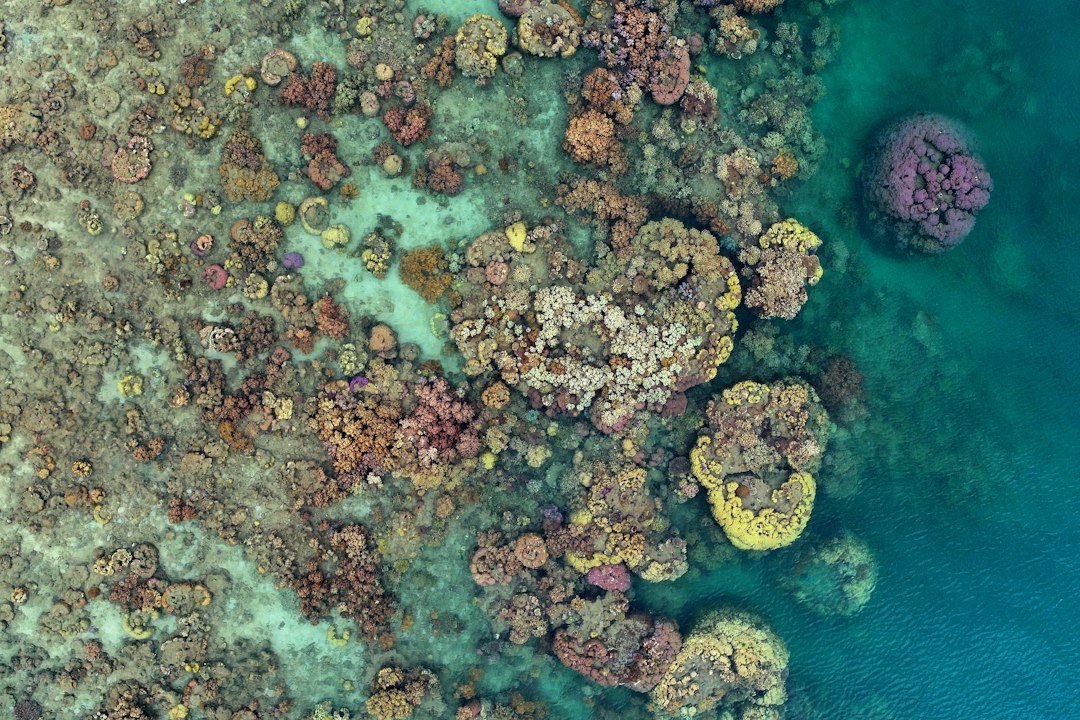
The best diving in the Great Barrier Reef is usually found on outer reefs during June through October, when weather is generally drier and water clarity is often at its most reliable. That window works. For most recreational divers, the best time to visit is September or October because the water has begun to warm after winter while conditions can still be calmer than the wetter summer months.
Best diving in the Great Barrier Reef by season
There is no bad single month for every part of this reef system, which stretches a long way along Queensland and has very different weather patterns in the north and south. Pick your priority first. Clearer water and easier boat conditions point toward the dry season, while warmer water, reef spawning events, and fewer crowds on some routes may make the warmer months appealing if you can accept rain and weather-related schedule changes.
| Period | What divers may find | Best fit |
|---|---|---|
| June to August | Cooler water, drier conditions, and commonly good visibility on outer reefs. Dwarf minke whale encounters are often associated with Ribbon Reef trips in June and July. | Divers who value visibility and remote reef itineraries |
| September to October | Warmer water than winter, generally settled dry-season weather, and strong all-round conditions. | A first Great Barrier Reef trip |
| November to April | Warm water, humid weather, rain, and a higher chance of wind or cyclone disruption. Coral spawning timing varies by reef, temperature, and lunar cycle. | Warm-water divers with flexible plans |
| May | A transition month with warming water and a reduction in wet-season weather at many northern departure points. | Divers seeking a shoulder-season option |
Water stays warm then. Summer trips can still deliver excellent diving, especially when the sea is calm, but I would avoid building a tightly timed holiday around a specific wildlife sighting, coral spawning night, or exact visibility forecast. Nature does not book appointments. Ask the operator how often its intended sites are reached in your travel month and what its backup plan is when wind changes the route.
Choose your reef region carefully
Outer reefs from Cairns and Port Douglas
For the classic high-visibility coral-wall experience, outer reef itineraries departing Cairns or Port Douglas are usually the strongest starting point. These are exposed sites. Multi-day liveaboards can reach farther locations than a standard day boat, where hard coral gardens, steep reef edges, turtles, reef sharks, and large schools are common reasons divers make the trip. The exact reef names change with weather, permits, and operator routing, so treat any fixed itinerary as an aim rather than a promise.
Ribbon Reef trips north of Port Douglas are a good fit for divers who want a longer liveaboard and can handle sites with current, deeper profiles, or blue-water entries. Conditions matter. Cod Hole is widely known for potato cod encounters, while other Ribbon Reef sites are chosen for coral cover and pelagic activity, but animal behavior and current strength vary day to day. Divers new to current should tell the crew before booking and should practice those skills with a certified instructor rather than learning them on a remote trip.
Central reefs near Townsville and the Whitsundays
Central Queensland can suit a land-based trip with a mix of diving and time ashore, though many accessible sites see more day-boat traffic than distant outer reefs. Expect variety. The Whitsundays have sheltered options when conditions allow, while Townsville-based operators may offer nearby reefs and wreck-focused trips depending on their schedules. Check the boat ride length, planned maximum depth, and whether the operator expects divers to manage their own navigation.
Southern Great Barrier Reef islands
Lady Elliot, Heron, and nearby southern reef areas make sense for divers who prefer an island base rather than sleeping aboard a boat. The pace is different. These areas are known for lagoon and reef diving, turtles, rays, and seasonal wildlife, with shore-entry opportunities at some locations. They can be especially practical for a mixed group, although flight, ferry, baggage, and accommodation logistics deserve as much attention as the dive plan.
Day boat or liveaboard
A day trip is the easy choice if you have limited time, are travelling with non-divers, or want to sleep on land and make only a few dives. Keep expectations realistic. Day boats often visit reefs selected for the weather and group experience level, while a liveaboard usually gives you more dives, early-morning and night-dive opportunities, and access to reefs too distant for a comfortable daily return.
For a first dedicated dive holiday, I would choose three to four nights on a well-reviewed liveaboard if budget and seasickness tolerance allow it. You get repetition. Repeated dives help you settle buoyancy, learn the reef’s rhythm, and use air more efficiently, which can make the later dives far more enjoyable than a one-day rush. Prices vary by region and cabin style, so compare what is included: equipment rental, marine park charges, nitrox availability, transfers, meals, and mandatory dive insurance or medical forms.
Bring gear that matches the water
Water temperatures are commonly cooler in winter and warmer in summer, so many divers use a full wetsuit year-round, with a thicker suit during the cooler months or for multiple dives per day. Comfort matters. A 3 mm full suit may suit a warm-running diver in the shoulder season, while someone who chills easily may prefer 5 mm in winter and should confirm local guidance with the operator.
Pack a well-fitting mask, computer, surface marker buoy if the operator requests one, and anti-fog you have already tested. Do not debut unfamiliar gear offshore. If you use prescription lenses, arrange them before travel because a borrowed mask is a poor place to discover an imperfect fit. In warmer months, follow local stinger guidance closely and use the exposure protection specified by the dive operator.
Plan the trip in five steps
- Choose a season based on visibility, water warmth, and your flexibility with weather. Start there.
- Pick an area based on your preferred format: remote liveaboard, coastal day boat, or island stay.
- Read the operator’s stated certification, recent-dive, depth, and current-experience requirements before paying a deposit. Rules differ.
- Leave at least 18 to 24 hours between your final dive and flying, with more conservatism sensible after intensive diving. Follow your computer and recognized training guidance.
- Build one spare day into the itinerary for wind, rain, or boat changes. It saves stress.
Conditions and responsible diving
Book the trip for the reef, not a guaranteed checklist of sharks, rays, whales, or perfect visibility. Conditions move fast. Good buoyancy control protects fragile coral, so keep fins off the reef, secure hoses and gauges, and photograph without holding or chasing marine life. If you have ear, sinus, lung, heart, pregnancy, medication, or other health concerns that could affect pressure exposure, speak with a dive doctor before the trip and follow a certified instructor’s guidance in the water.
September or October is the practical answer for many divers planning the best diving in the Great Barrier Reef, while June and July are particularly appealing for Ribbon Reef wildlife itineraries and summer is best reserved for those who prioritize warm water and flexibility. Choose the boat based on the sites it can realistically reach. That decision matters most.
Related posts
This article is for general informational purposes only and is not dive training or medical advice. Always train with a certified instructor and consult a doctor before diving if you have any health concerns. Gear specs, pricing, site conditions, and operator schedules change, so verify current details directly with the manufacturer or dive operator.
Disclosure: This post may contain affiliate links. If you click through and make a purchase, we may earn a commission at no extra cost to you. We only recommend gear we’ve researched or genuinely believe in.