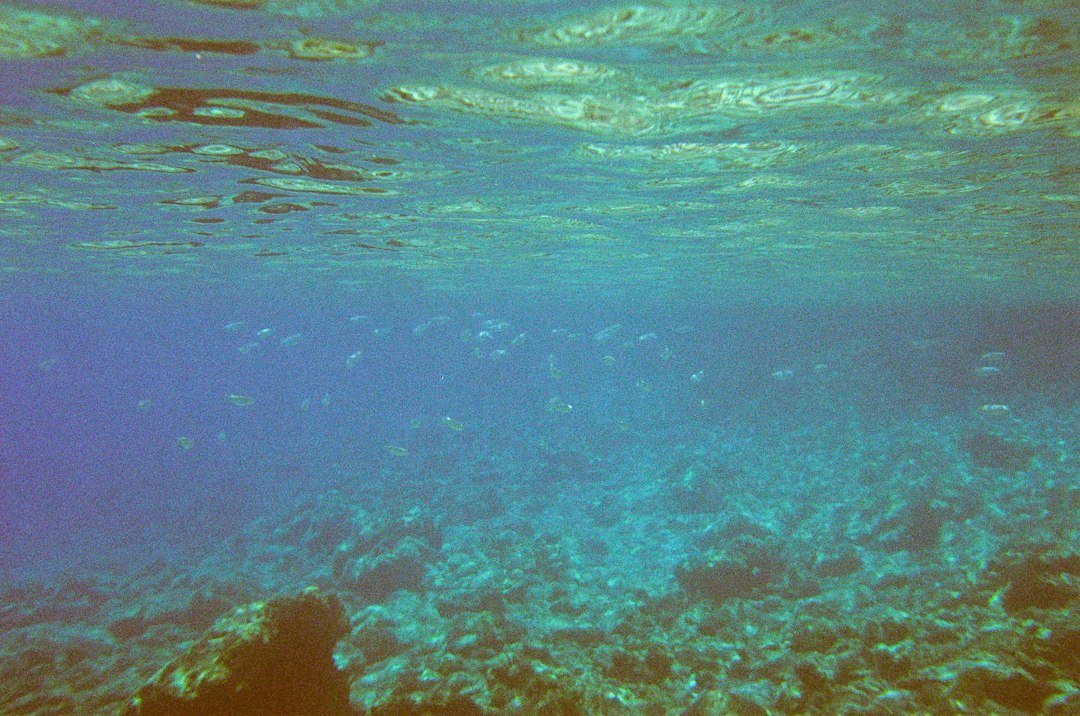
A common misconception is that the best diving spots in the Azores are all relaxed blue-water reef dives. They are not. For advanced divers, the best diving spots in the Azores often mean offshore crossings, fast-changing surface conditions, deep profiles, and currents that can make an otherwise simple descent feel serious very quickly. This is Atlantic diving. The payoff is exceptional visibility on good days, volcanic topography, schooling pelagics, and occasional close encounters with large animals in clear open water.
The Azores are a nine-island Portuguese archipelago in the mid-Atlantic, and the strongest advanced sites are spread across several islands rather than clustered in one easy base. Conditions decide the plan. A site that is calm and blue in the morning can be unsuitable after wind builds, so build spare days into the trip and treat every offshore dive as weather-dependent.
Best diving spots in the Azores for advanced divers
| Site | Island or area | Why it suits advanced divers | Typical challenge |
|---|---|---|---|
| Princess Alice Bank | Offshore from Pico or Faial | Open-ocean bank known for pelagic encounters | Long boat ride, current, deep water |
| Formigas and Dollabarat | Between São Miguel and Santa Maria | Remote volcanic pinnacles, fish life, big-animal potential | Exposure, swell, logistics |
| Ambrósio | Santa Maria | Manta and mobula ray encounters in season | Current and blue-water depth |
| Ilhéu da Vila | Santa Maria | Volcanic walls, arches, schooling fish | Surge and changing current |
| Condor Bank | Offshore from Faial | Seamount terrain and pelagic-focused diving | Deep profile and exposed location |
Princess Alice Bank
Princess Alice Bank is the trip many experienced Azores divers plan around. It lies well offshore between Pico and Faial, and the crossing can take several hours each way depending on departure point and sea state. It is a commitment. The bank rises from very deep water to a shallower summit, where divers may see schools of jacks, tuna, barracuda, and pelagic rays when conditions line up.
This is not a site to treat as a casual deep dive. The descent is often in blue water with no wall immediately beside you, currents can change through the water column, and the bottom profile can tempt divers to chase sightings below their planned depth. Set a hard maximum depth before entering. A conservative plan might mean staying above the operator’s agreed limit, carrying a delayed surface marker buoy, and ending the dive when current or gas use stops matching the briefing.
Ask specifically about the drift procedure. You want to know whether the boat follows the group, how the operator manages separated buddy pairs, what surface signaling they expect, and whether a spare mask and cutting tool are sensible for that day’s setup. These are small details. They matter offshore.
Formigas and Dollabarat
Formigas is a remote chain of rocky islets and submerged reefs northeast of Santa Maria, while Dollabarat is the nearby underwater bank that draws divers for its clear water and isolated-ocean feel. This is one of the more serious day trips in the region. The remoteness is part of the appeal, but it also means less margin for a poor forecast, equipment problems, or a diver who is not comfortable in moving water.
Expect volcanic ledges, dense fish life, and blue-water scenes rather than easy shore access or a protected reef. Surface swell can be the limiting factor. The dive operator may cancel even when skies look sunny from land, because wind direction, swell period, and docking conditions matter more than a beach forecast.
A practical personal check is simple: if you need a guide to manage your buoyancy, deploy your DSMB, or keep you on the planned depth, save Formigas for later in the trip. Strong skills reduce task loading. They do not eliminate risk.
Ambrósio and Santa Maria’s offshore life
Santa Maria is often the island advanced divers choose when ray encounters are high on the wish list. Ambrósio is an offshore seamount associated with seasonal manta and mobula ray sightings, though wildlife is never guaranteed. That is the honest version. The attraction is suspended in blue water, where rays may circle above or beside the group while jacks and other pelagic fish move through the current.
Dives here can feel easy when visibility is wide and current is light. Do not let that fool you. You may be over deep water with few visual references, and a mild current at the surface can become more noticeable at depth or during ascent. Good mid-water trim is essential, particularly during a safety stop when the seabed is far below.
Santa Maria also has sites around Ilhéu da Vila with lava formations, walls, swim-throughs, and schooling fish. These can be a better progression before a seamount day. Start there if you have arrived after travel or have not dived in current recently.
Condor Bank and Faial’s offshore option
Condor Bank, off Faial, is another offshore seamount-style dive that can reward divers who like open-ocean terrain. The underwater landscape rises from deep water and may attract pelagic visitors. Visibility can be excellent. It can also be blue, current-swept, and deceptively featureless away from the bank itself.
For this type of site, profile discipline matters more than collecting maximum bottom time. Keep your computer display easy to read, check your gas earlier than you would on a sheltered reef, and maintain proximity to your buddy. A long surface swim is not the goal. An organized pickup is.
Some operators require a stated minimum number of logged dives, recent experience, or proof of an advanced-level certification for offshore trips. Requirements differ. Confirm them before booking flights, and be truthful about your experience when a shop asks about deep, drift, or blue-water diving.
How to choose the right advanced dive day
Pick sites based on the day’s conditions, not the most dramatic name on a map. That takes discipline. A good operator will assess wind, swell, current reports, boat range, diver experience, and the group’s equipment before selecting a route.
- Book at least one flexible day after your target offshore dive day.
- Start with a local check dive or sheltered volcanic site to assess weighting and buoyancy.
- Tell the operator your recent deepest dive, current experience, and DSMB comfort level.
- Carry the signaling equipment the operator requests and know how to use it before departure.
- Turn the dive if your gas consumption, equalization, current comfort, or buddy communication is off.
That final step is the useful one. An advanced diver is not the person who forces a dive. It is the diver who calls it early when the plan no longer fits the conditions.
Season, exposure protection, and gear choices
Summer through early autumn is commonly the practical window for offshore Azores diving, because sea conditions are often more workable and water temperatures are generally warmer than winter. Weather still wins. Prices, sea temperature, wildlife timing, and operator schedules vary by island and season, so verify current details directly with the dive operator.
Bring exposure protection for the water temperature you will actually face, plus wind protection for long boat runs. The boat ride can feel cold. Many divers also prefer a hood, even when the water itself seems mild, because repeated dives and surface wind add up.
For advanced offshore dives, a DSMB and reel are usually sensible, but only if you have practiced deploying them without losing buoyancy control. A whistle, mirror, and reliable computer are useful backups. Redundancy has limits. It does not replace a proper briefing, a conservative plan, or training with a certified instructor.
If deeper or decompression diving is part of your goal, discuss the exact profile with a properly qualified local professional before committing. Do not stretch recreational limits for a ray, shark, or photo. The animal will not care.
FAQ
Do I need advanced certification to dive the Azores?
No single certification is required for every Azores site, but many offshore and deeper dives are best suited to divers with advanced-level training and recent experience. Site rules vary. Operators may set their own prerequisites based on conditions, depth, and boat logistics.
What is the hardest dive in the Azores?
Princess Alice Bank and Formigas are often among the more demanding recreational options because of their offshore location, long crossings, potential current, and blue-water conditions. The hardest dive is condition-dependent. A normally manageable site can become unsuitable when wind or swell rises.
Can advanced divers see manta rays in the Azores?
Yes, Santa Maria’s offshore sites, especially Ambrósio, are associated with manta and mobula ray encounters during the warmer part of the year. Sightings are never promised. Choose the trip for the overall dive experience, not one animal.
How many days should I allow for an Azores dive trip?
For a specific offshore objective, allow several diving days plus flexibility for weather. Five to seven days gives a better chance than a short weekend. Keep your final day conservative and follow current guidance on flying after diving.
Related posts
This article is for general informational purposes only and is not dive training or medical advice. Always train with a certified instructor and consult a doctor before diving if you have any health concerns. Gear specs, pricing, site conditions, and operator schedules change, so verify current details directly with the manufacturer or dive operator.
Disclosure: This post may contain affiliate links. If you click through and make a purchase, we may earn a commission at no extra cost to you. We only recommend gear we’ve researched or genuinely believe in.