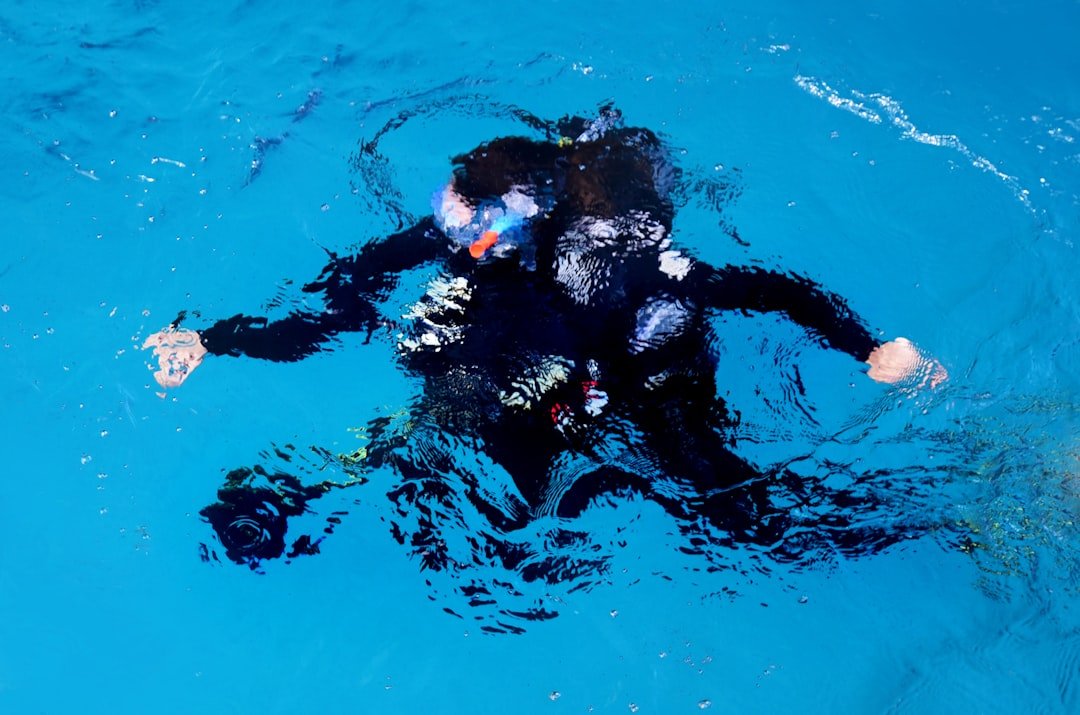
You are standing at a cold quarry car park in a base layer, watching friends pull on thick undersuits while the wind cuts through your wetsuit-changing robe. The best drysuit for cold water is the one that keeps water out, fits your body and undergarments, and has support available near your usual dive sites. For beginner divers, the best drysuit for cold water is rarely the fanciest model on the rack. A sensible first suit has straightforward controls, enough room to move, and a price that leaves budget for thermal layers, boots, gloves, training, and eventual servicing.
A drysuit does not make cold-water diving automatically safe or comfortable. You still need a certified drysuit course, supervised practice, sensible exposure planning, and a buoyancy setup appropriate for the suit and insulation you wear. A suit also cannot fix poor weighting, rushed descents, or an unsafe dive plan.
What makes the best drysuit for cold water
Start with fit. A drysuit should feel roomy enough to squat, reach your valves, fin, and operate a reel, but it should not have large folds of loose material. Excess fabric can trap air, shift during ascent, and make buoyancy control harder. A suit that feels fine while standing in a shop can pull across the shoulders or crotch once you are in a horizontal trim position.
Cold-water comfort comes mostly from the insulation worn beneath the shell. The drysuit keeps you dry. Your base layer and undersuit slow heat loss. This is why a slightly roomier suit that accepts the insulation you need can be a better choice than a close-fitting suit designed around thin layers.
Valve placement matters. Most recreational drysuits use an inflation valve in the center of the chest and an adjustable exhaust valve high on the left upper arm. That layout is familiar, practical, and easy to learn with a qualified instructor. Check that you can reach the inflation button with your usual regulator and BCD or wing setup. The exhaust valve must sit where it can vent air when you raise your left shoulder. A common first-pool-session surprise is discovering that a poorly positioned exhaust valve will not vent until the diver deliberately raises the correct shoulder, which is why checking this movement during fitting matters.
Seals deserve close attention. Latex neck and wrist seals create a very dry seal but need periodic replacement and can feel restrictive to some divers. Neoprene seals are warmer and often more comfortable, though a little seepage is more common. Silicone systems can make field seal changes easier on compatible suits, but the replacement parts are brand-specific and may cost more. Many divers only appreciate the value of carrying a spare wrist seal after catching one on a watch or fingernail while changing at a cold dive site.
Membrane or neoprene for beginner divers
For most beginner divers planning regular cold-water use, a membrane trilaminate or crushed-neoprene drysuit is the usual starting point. Membrane suits have little inherent insulation, dry quickly after a dive, and let you adjust warmth by changing undersuits. That flexibility is useful if your diving shifts between cold inland sites and milder coastal water.
Neoprene drysuits have material insulation and a close, soft feel. They can be comfortable in very cold water, but buoyancy and fit can change more noticeably with depth than on a membrane suit. They also tend to take longer to dry after use. Neither construction is automatically easier. A well-fitted membrane suit is often simpler to adapt across seasons, while a neoprene suit can appeal to divers who value its warmth and less shell-like feel.
Crushed neoprene sits between traditional foam neoprene and membrane designs. It is dense, durable, and less prone to depth-related compression than standard neoprene. It can be heavier and more expensive, especially when made to measure.
| Suit type | What beginner divers may like | Trade-off to expect |
|---|---|---|
| Trilaminate membrane | Fast drying, flexible insulation choices, often easier for travel than heavy neoprene | Needs suitable undersuits and can feel loose if sizing is poor |
| Crushed neoprene | Durable feel, warmth from the material, less buoyancy change than foam neoprene | Usually heavier and often costs more |
| Foam neoprene | Soft, warm feel with less dependence on thick undersuits | Buoyancy and fit can change with depth, slower drying |
| Hybrid suit | May combine a flexible torso with tougher panels in high-wear areas | Design details differ widely, so inspect the exact model |
Shortlist models by fit and support
Research commonly puts several established models on a beginner shopper’s list, but the right purchase depends on fit and local service. The DUI FLX50 and CF200 lines are often considered by divers who want a durable membrane suit with broad customization options; typical new US prices are roughly US$3,000 to US$5,000 or more, depending on configuration. Santi’s E.Motion range is frequently researched for mobility and premium build options, commonly around US$3,000 to US$4,500. Waterproof’s D7 series is commonly compared by divers who want a tough membrane suit with a more structured cut, with many new models typically around US$2,500 to US$3,500.
For a lower-cost made-to-measure route, Seaskin’s Nova and similar membrane configurations are worth researching, particularly for UK divers who can access fitting and service support; typical prices often start around £1,300 and can rise to £2,000 or more with options. Aqualung’s Fusion line uses an inner dry core and an outer protective skin. That approach can suit divers who prefer a softer outer feel, though it adds its own sizing and drying considerations; new models have often ranged from roughly US$1,200 to US$2,000, depending on version and included accessories.
These are shopping starting points, not universal winners. Model names, materials, included accessories, warranty terms, regional availability, and prices can change. Ask a dealer or manufacturer which valves, seals, boots, pockets, zipper, and inflation hose are included in the quoted configuration.
Fit details that matter more than a brand logo
Try the suit on over the actual base layer and undersuit you expect to dive. If a shop cannot provide comparable layers, bring your own. Inflate the suit slightly while dry, if the retailer permits, then crouch, kneel, reach overhead, turn your head, and mimic accessing a fin or cylinder valve. Check for shoulder restriction and pressure at the neck.
Boot fit needs the same care. Integrated boots simplify dressing and are common on recreational suits, but they can be awkward if the foot length is wrong. Rock boots work with attached socks and can offer better support on rough entries, although they add pieces to manage. Ensure your fins fit over the boots you will actually wear. A fin that is too tight can cramp your feet and make donning harder in cold conditions.
A front-entry zipper lets many divers put the suit on without assistance. A back-entry zipper can have a simpler line across the torso but usually requires a buddy to close it properly. Either can work well. More important is keeping the zipper clean, protected, and serviced according to the manufacturer’s instructions.
Budget for the whole cold-water system
The suit is only one part of the purchase. Entry-level off-the-peg drysuits often cost substantially less than premium custom membrane suits, but total ownership adds up quickly. Plan for undersuits, base layers, a drysuit inflation hose, hood, gloves, appropriate fins, seal replacements, zipper care products, annual or periodic valve checks, and repairs after damage.
Do not buy a thin undersuit simply because it lowers the checkout total. Buy thermal layers based on the water temperature, dive duration, your workload, and your own cold tolerance. A certified instructor can help you select a sensible system during training. If you are unusually sensitive to cold, have circulation concerns, or have any health question affecting diving, speak with a doctor before diving.
FAQ
Should a beginner buy a drysuit before taking a course?
Buying before training can work if you have access to a proper fitting session and know where you will train. Many divers prefer to take the course first, or rent a similar suit, because it reveals whether they prefer membrane or neoprene, front or back entry, and which thermal layers they need. Do not practice drysuit buoyancy skills alone.
How much should a first cold-water drysuit cost?
Prices vary by region, construction, custom sizing, and included parts. A basic off-the-peg suit may be far less expensive than a custom premium model, but comparing only the suit price misses thermal layers and maintenance. As a rough starting point, divers in water around 10–15°C may use a 100- to 200-g/m² undersuit, while water below about 10°C often calls for 200- to 400-g/m² insulation or a layered equivalent, depending on the dive and the diver. Request an itemized quote and include likely service costs before deciding.
Is made-to-measure always better than stock sizing?
No. A stock suit that fits correctly can be an excellent choice and may arrive faster. Made-to-measure becomes more useful when standard sizes leave major gaps at the torso, shoulders, legs, or feet, or when your required insulation creates fit issues. Custom measurements still need to be taken carefully.
Can I use my usual BCD with a drysuit?
Often yes, but you need instruction and practice because the suit contains air and changes buoyancy management. Your weighting may change with thicker insulation, and your BCD or wing should still provide adequate surface flotation for your cylinder and weighting setup. Have a certified instructor help you evaluate the complete configuration.
Related posts
This article is for general informational purposes only and is not dive training or medical advice. Always train with a certified instructor and consult a doctor before diving if you have any health concerns. Gear specs, pricing, site conditions, and operator schedules change, so verify current details directly with the manufacturer or dive operator.
Disclosure: This post may contain affiliate links. If you click through and make a purchase, we may earn a commission at no extra cost to you. We only recommend gear we’ve researched or genuinely believe in.