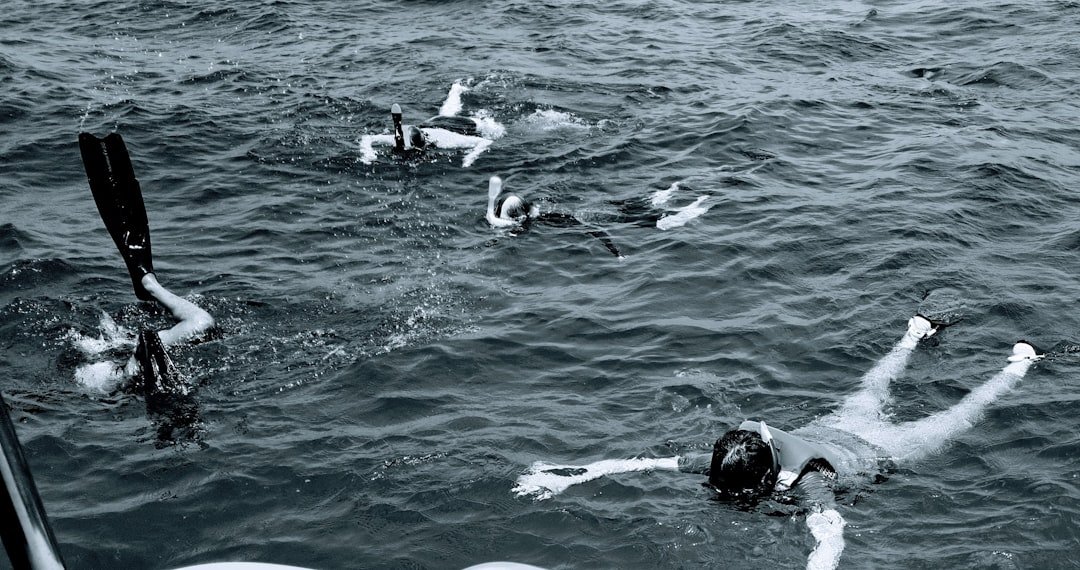
You are standing on a wet dive-deck bench, trying to clip a new snorkel onto your mask while the boat rocks and everyone starts gearing up. The best snorkel for scuba diving on a budget is usually a simple, well-fitting snorkel with a usable purge valve, flexible lower section, and a clip that does not fight your mask strap. For most recreational divers, the best snorkel for scuba diving is not the biggest dry snorkel on the shelf. It is one that clears easily, stays put, and does not make your mask uncomfortable during the swim out or surface wait.
A snorkel is basic gear, but a bad one can be irritating on every dive. A stiff tube can pull your mask skirt sideways. A bulky dry top can catch wind when you are waiting at the surface. A poor clip can slide down the strap just as you are trying to descend. The good news is that useful snorkels are available at modest prices, and spending more only makes sense when the added design solves a problem you actually have.
What the best snorkel for scuba diving needs
A scuba snorkel does a different job from a pool-training snorkel or a long freediving tube. It needs to stay manageable while you wear a dive mask, swim in chop, and switch between breathing from the snorkel and breathing from your regulator. For recreational scuba use, prioritize fit and clearing over unusual-looking valves or oversized dry tops.
The tube should be a sensible diameter. A very narrow bore can feel restricted when you are breathing hard on the surface. An overly wide bore holds more water and can take a stronger exhale to clear. Most adult snorkeling and scuba models sit in a practical middle ground. Manufacturers do not always publish a useful internal-bore measurement, so handle the snorkel if possible rather than judging it by the product photo.
Look closely at the mouthpiece. Soft silicone usually feels better than hard plastic during a long surface swim, and a replaceable silicone mouthpiece is helpful if you tend to chew through bite tabs. The right shape is personal. A mouthpiece that feels excellent for one diver may create jaw fatigue for another. If you can, hold it in your mouth for several minutes before removing tags or packaging.
A lower purge valve is useful for many divers, especially newer divers who are still building confidence with snorkel clearing. It lets water drain when you exhale, so clearing takes less force than a plain J-tube. It is not a substitute for learning a proper blast clear and displacement clear with a certified instructor. Purge valves can also leak or trap sand if neglected, so they need a freshwater rinse after diving.
The attachment system matters more than it first appears. A simple sliding keeper is inexpensive and can work well, but it may shift on certain silicone mask straps. A quick-release clip makes removal easier and can be handy when you want the snorkel off after entry. Check that the clip rotates enough to place the tube beside your head without twisting the mask strap. If the clip is too aggressive or narrow, it can crease a softer strap and contribute to leaks around the mask skirt.
Choose an open, semi-dry, or dry snorkel
There is no universal best top design. Conditions, personal preference, and how much time you spend at the surface matter.
| Snorkel type | What it does well | Trade-off | Best budget use |
|---|---|---|---|
| Open-top J snorkel | Simple, light, easy to inspect and clean | Water enters easily in chop or when ducking below the surface | Calm water, divers who prefer minimal gear |
| Semi-dry snorkel | Splash guard reduces surface water without much bulk | It will still flood if submerged or hit by a wave | Most warm-water scuba trips and shore diving |
| Dry-top snorkel | Top valve closes when submerged and limits wave entry | More parts, more bulk, and possible valve maintenance | Choppy surface conditions or divers who strongly dislike flooding |
An open-top snorkel is the lowest-cost and least complicated choice. It has no moving top mechanism, which means fewer parts to fail or jam with salt crystals. Many experienced divers still like this style because it is easy to clear and does not feel top-heavy. The downside is obvious when you are swimming through boat wake or waiting in wind chop. Water goes in.
A semi-dry snorkel has a splash guard, baffle, or angled top that reduces the amount of water entering from above. It does not seal shut underwater. This is often the practical middle option for budget-minded scuba divers because it adds comfort at the surface without the cost and complexity of a full dry valve.
A dry snorkel has a float-operated or mechanical closure at the top. When the snorkel dips underwater, the top is designed to close and keep most water out. That can be pleasant for relaxed snorkeling and surface swims, but it has limitations. A dry top does not eliminate the need to clear a snorkel, and the closure can feel restrictive if it is partially blocked by a wave or pressed against the surface. Test the action in shallow water before relying on it during a dive day.
Budget models worth researching
Product lines change, color options vary, and prices vary by region, but several established models are commonly stocked and make sensible starting points for research. None is automatically right for every face, mask strap, or dive environment.
The Cressi Gamma is often listed as a value semi-dry option. It uses a splash-reducing top, a flexible lower tube, a purge valve, and a silicone mouthpiece. On paper, that is a balanced layout for a diver who wants more protection than a basic J-tube without moving dry-top hardware. Check the current version closely because Cressi sells similarly named snorkels with slightly different attachments and tube shapes.
The Cressi Supernova Dry is commonly positioned above basic semi-dry models but can appear at a reasonable price during sales. It has a dry-top closure and lower purge. This type of snorkel makes sense if you regularly dive from small boats in lumpy conditions or spend long periods waiting on the surface. Before buying, check whether its upper section feels bulky beside your head and whether the top mechanism moves freely.
The TUSA SP-580Q Platina II Hyperdry is another widely available dry-top design to compare. It has a flexible lower section and purge arrangement, with a top intended to reduce water entry. It may cost more than simple budget snorkels, so the value depends on whether you want a dry-top system rather than merely a recognizable brand name. Read current retailer descriptions and TUSA specifications, since regional naming and included clips can differ.
Divers looking for the lowest sensible spend can also consider a basic silicone J snorkel or semi-dry model from established brands such as Mares, Aqualung, Cressi, TUSA, or Scubapro. Do not assume the least expensive package deal is good value. Some bundled snorkels use rigid plastic mouthpieces, weak clips, or non-replaceable parts. A modestly priced standalone snorkel can be the better purchase if it fits your mask and mouth comfortably.
Research-based product comparisons are useful for narrowing the field, but they cannot tell you whether a mouthpiece will suit your jaw. Retailer return rules matter here. Confirm whether a snorkel can be returned after fitting it dry, and inspect current manufacturer information before purchase.
Where budget snorkels cut corners
Low cost is not automatically bad. Simple construction can be a strength. The weak points tend to be materials and finishing rather than the basic tube itself.
Cheap snorkel clips may have thin tabs that crack after repeated removal. A replacement clip is inexpensive if the tube accepts one, but some designs use proprietary mounts. Flexible corrugated sections deserve a close look too. They should bend naturally without feeling sticky, brittle, or permanently kinked. A rigid tube can still work, though it tends to transfer more movement to the mouthpiece when you turn your head.
Inspect the purge valve cover and diaphragm. The valve should sit flat, and the cover should be removable enough to rinse out sand. If the snorkel has a dry top, check that the float or closure does not stick. Salt, sunscreen residue, and fine beach sand can affect moving parts. A design with fewer pieces is easier to maintain on a trip where you only have a hotel sink for rinsing.
A very cheap mouthpiece is often the first part that feels wrong. Bite tabs that are too thick can cause you to clench. Tabs that are too short can let the snorkel shift when you turn. Some divers use a small silicone mouthpiece cover, but that changes the fit and may not work with every model. It is usually better to start with a mouthpiece that feels natural.
Fit the snorkel with your actual mask
Bring your mask when shopping. Clip the snorkel to the left side of the strap, which is the usual placement because the regulator hose commonly comes over the right shoulder. There are exceptions based on hose routing and personal setup, so do not force a position that interferes with your equipment. Your instructor can help you assess an unfamiliar configuration during training.
With the mask on, the mouthpiece should reach your mouth without pulling the tube forward or forcing you to turn your head. The top should sit above the water when you are face-down in a normal swimming posture, not stick far over your forehead. Turn your head left and right. If the mask skirt lifts or the strap twists, adjust the clip position or try another snorkel.
Practice removing and replacing it while standing in shallow water. Then flood and clear it under supervision appropriate to your experience. Keep your regulator accessible during any practice. If snorkel clearing feels stressful, stop and work on the skill with a certified instructor rather than trying to solve it with a more expensive product.
Care that keeps a cheap snorkel usable
Rinse the snorkel in fresh water after every saltwater dive day. Work the purge valve gently under running water and move any dry-top mechanism through its range if the manufacturer permits it. Do not store it wet in a sealed gear bag. That encourages odor and can leave salt deposits around valves.
Keep it out of prolonged direct sun and hot car interiors when possible. Silicone lasts longer than low-grade plastic, but heat and UV still take a toll. Before a trip, inspect the mouthpiece for tears, squeeze the purge area to check that it is seated, and confirm the strap clip has no cracks. Small problems are much easier to fix at home than on a boat dock.
FAQ
Do scuba divers need a snorkel?
Requirements depend on the training agency, course, dive operator, and local conditions. Many divers carry one because it is useful for surface swims, waiting for pickup, or conserving cylinder gas before descent. Some divers prefer a folding snorkel in a BCD pocket when a permanently attached tube annoys them. Check your operator and training requirements before the trip.
Is a dry snorkel better for scuba diving?
It is better only if its dry-top design helps in your normal conditions. It can reduce flooding in wave chop, but it adds moving parts and bulk. A semi-dry snorkel with a good purge valve is often the better budget choice for divers who mainly dive in calm to moderate conditions.
Should I buy a snorkel with a purge valve?
For many recreational divers, yes. A purge valve can make surface clearing easier and is common on affordable models. Still learn both basic clearing methods during certified training. Valves need rinsing and can leak if a diaphragm is damaged or fouled with sand.
Can I use a snorkeling set snorkel for scuba?
You can use one if it fits safely with your mask and functions correctly, but low-cost sets often compromise on mouthpiece comfort, clips, and durability. Test it in controlled water before a trip. If it pulls your mask, causes jaw pain, or has a damaged valve, replace it.
What is the best budget snorkel setup?
A practical setup is a semi-dry snorkel with a silicone mouthpiece, flexible lower section, lower purge valve, and dependable mask clip. Spend extra on a dry-top model only if you expect frequent surface chop or know that flooding disrupts your comfort. Put fit ahead of branding and cosmetic color matching.
Related posts
This article is for general informational purposes only and is not dive training or medical advice. Always train with a certified instructor and consult a doctor before diving if you have any health concerns. Gear specs, pricing, site conditions, and operator schedules change, so verify current details directly with the manufacturer or dive operator.
Disclosure: This post may contain affiliate links. If you click through and make a purchase, we may earn a commission at no extra cost to you. We only recommend gear we’ve researched or genuinely believe in.