How to calculate no decompression limit with tables

diving decompression table chart

To calculate a no decompression limit manually, use one agency-approved dive table, round depth and time as that table requires, and account for residual nitrogen on repetitive dives. Tables are conservative planning tools, but they do not replace certified dive training or real-time monitoring.

Difference Between Advanced and Rescue Diver

scuba rescue training

For most newly certified divers, Advanced Open Water is the better next course because it builds site-relevant experience before rescue training adds responsibility for other divers. Choose Rescue Diver next if you already have solid buoyancy, navigation, varied dive experience, and current first-aid training.

How to Plan a Decompression Dive Safely

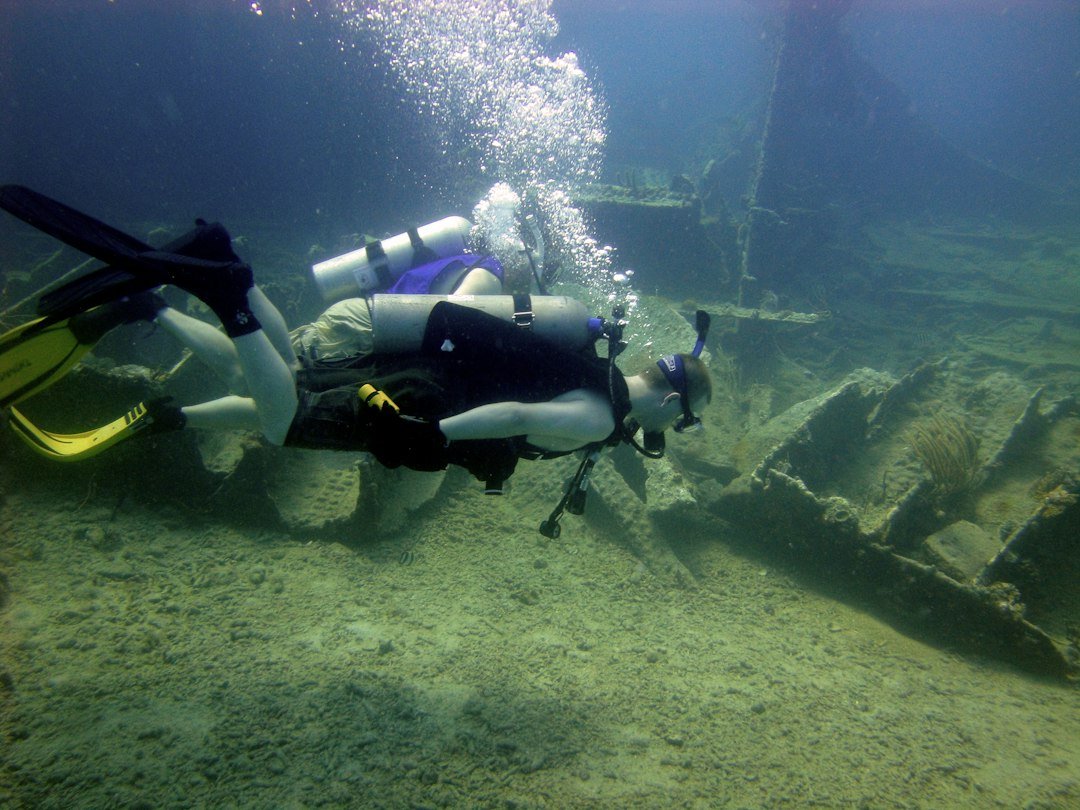
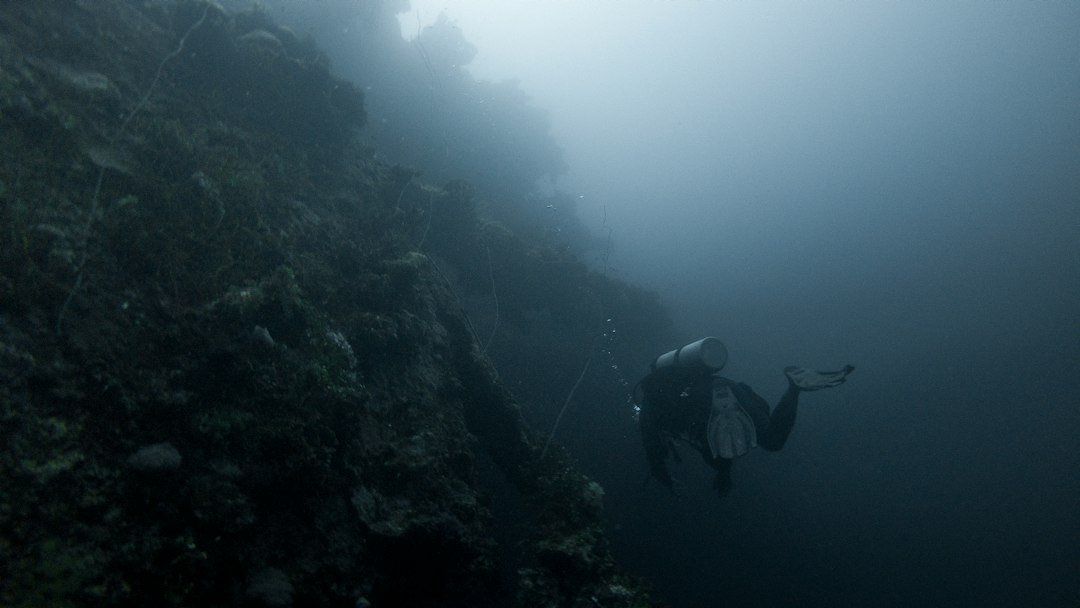
decompression diving equipment

Plan a decompression dive by matching your training, gas supply, team procedures, exposure protection, and contingencies to a conservative written dive plan. Advanced certification alone does not qualify a diver for planned decompression diving, so use formal decompression training and local guidance.

How to breathe underwater scuba diving safely

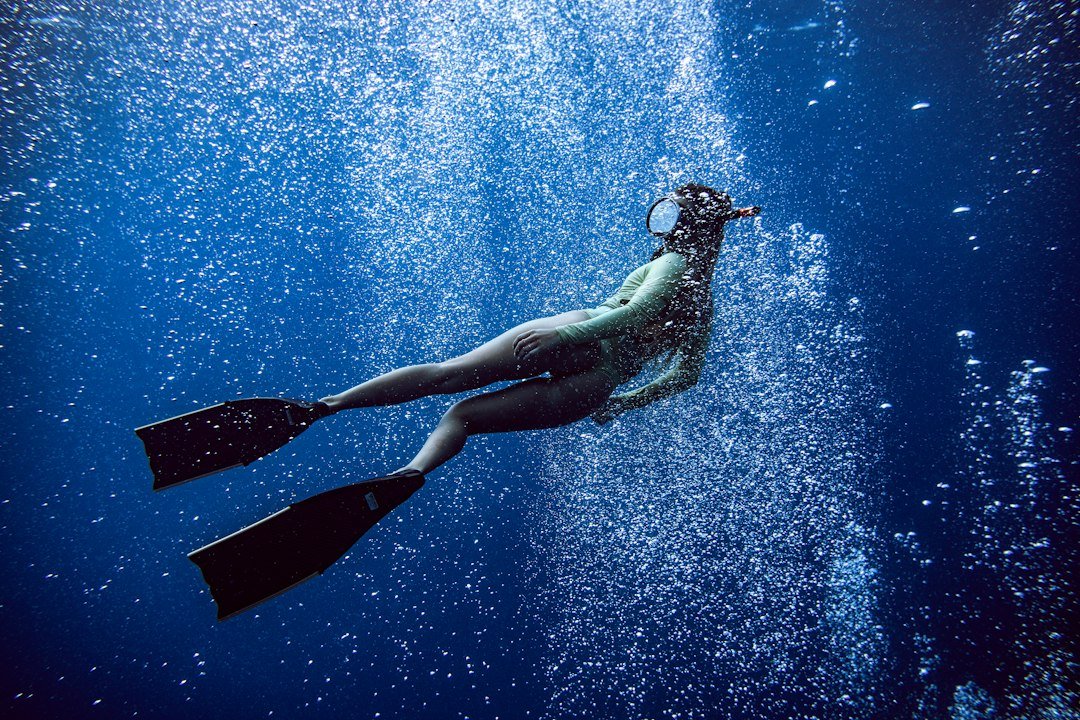
scuba regulator underwater

How to breathe underwater scuba diving starts with one rule: breathe slowly and continuously through a properly fitted regulator, never hold your breath. First-time divers should practice regulator breathing, clearing, buoyancy, and calm recovery skills with a certified instructor before open-water diving.

How much does scuba diving cost per dive?

scuba diving equipment

A recreational scuba dive can cost roughly US$20 to US$250 or more per person, depending on shore versus boat access, rentals, guide requirements, and destination. Your first year costs more because training and basic gear sit on top of the per-dive price.