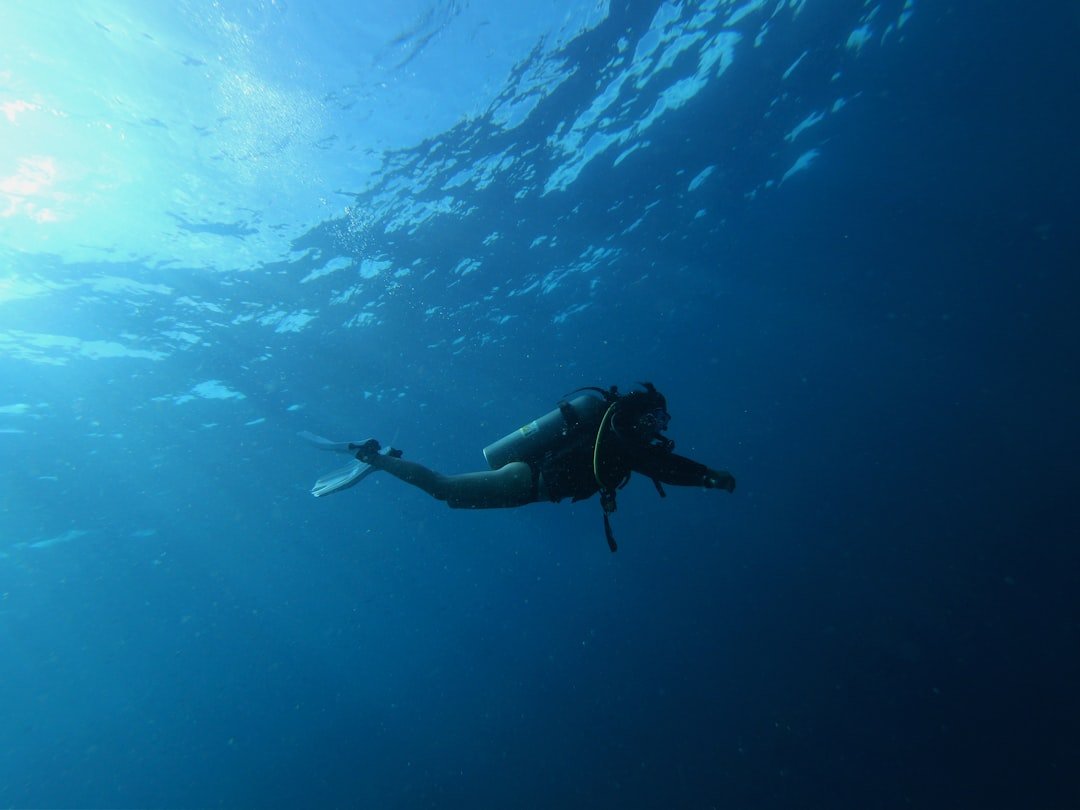
A common misconception is that you need to force yourself through fear to learn how to overcome claustrophobia in scuba mask discomfort. You do not. The useful approach is gradual exposure in conditions where you can stand up, remove the mask, and pause whenever needed, because your brain learns safety more reliably from repeated calm experiences than from one overwhelming attempt. Go slowly.
Mask claustrophobia can feel strange because scuba equipment changes normal sensory cues at once: your face is covered, your nose is enclosed, your vision is framed, and you hear your own breathing louder than usual. None of that means you are incapable of diving. It means the sensation needs practice. A well-fitting mask and a patient certified instructor make a real difference, but equipment alone cannot fix a fear response.
How to overcome claustrophobia in scuba mask discomfort
Start with the right goal. Do not aim to feel nothing. Aim to notice discomfort, keep your breathing steady, and choose a simple response before the discomfort becomes panic. That shift matters. On a scale of zero to ten, where zero is relaxed and ten is overwhelmed, keep early practice around a three or four, then stop or step back if you reach a six.
Practice only in a controlled setting at first, such as a pool shallow enough to stand in or a calm confined-water session with a certified instructor. Do not begin this work in surf, current, poor visibility, or a deep site where an easy exit is unavailable. Conditions matter. If fear causes breath-holding, rapid breathing, dizziness, chest discomfort, or an urge to bolt for the surface, end the exercise and tell your instructor.
Check whether the mask itself is the problem
A mask that squeezes your face, leaks into your eyes, fogs constantly, or presses uncomfortably across your nose can make an anxiety response much worse. Fit is personal. Test masks dry by holding one gently to your face and inhaling through your nose just enough to keep it in place, without using the strap; it should seal without painful pressure or a sharp pull at the bridge of your nose.
Choose a lens shape that does not crowd your eyelashes or press hard under your eyes. Some divers find a lower-volume mask less intrusive because it sits closer to the face, while others prefer a roomier shape that gives a less confined visual feeling. Try both if possible. Avoid overtightening the strap, since a seal comes mainly from the silicone skirt and excessive tension can cause headaches and leaks.
Use a proper anti-fog treatment before getting in the water, then rinse it according to the product directions. Clear vision reduces the trapped feeling for many new divers. A familiar mask also helps. If you can, use the same comfortable mask for pool sessions before taking it on an open-water dive, rather than changing gear at the last minute.
Build comfort before submerging
Your first exercise does not require scuba gear or deep water. Sit beside a pool or stand in shallow water, put on your mask, and breathe normally through your nose for a minute. Then remove it. Repeat until putting it on feels ordinary rather than like the start of a test.
For example, if the mask feels fine for 30 seconds but discomfort rises as soon as you think about going underwater, stay with that 30-second surface step until it becomes uneventful. There is no benefit to skipping ahead just because the exercise looks simple.
Next, wear the mask while your lower face is in the water and breathe through a snorkel, or through a regulator if you are under direct supervision in an appropriate training setting. Keep one hand on the pool edge. Look at a fixed point. Stay for 20 to 30 calm seconds, lift your face out, and take a normal break before repeating.
This is exposure practice, not endurance practice. The moment you feel yourself rushing, shorten the next repetition rather than trying to win a battle with the sensation. Several easy repetitions teach more than one difficult one. Keep the pace boringly manageable.
Use a breathing routine that does not add stress
Many people react to a mask by taking fast, shallow breaths, then interpreting the extra noise and air movement as proof that something is wrong. Start by breathing normally. Do not deliberately take huge breaths, because over-breathing can leave some people light-headed and make anxiety feel stronger.
Try this simple pattern while stationary in shallow water: inhale gently, pause only naturally, then make the exhale a little longer and softer than the inhale. Count quietly if it helps: in for three, out for four. Keep your jaw loose. After four to six breaths, look around, identify one object you can see clearly, and remind yourself that you can stand up or signal for help.
A regulator can feel more confined than a snorkel because it occupies your mouth and changes how you communicate. Practice keeping your lips sealed around the mouthpiece without biting hard on it. Relax your hands too. Gripping hoses, the mask frame, or the pool edge can tell your body that danger is present even when the environment is controlled.
Let water touch your face in small steps
The enclosed nose pocket is often the hardest part. Begin without a mask by splashing water onto your cheeks, forehead, and closed eyes while breathing steadily through your mouth. Pause often. Once that is comfortable, place your face in shallow water for one breath through a snorkel or regulator, then lift it out.
When that feels routine, wear the mask and let a few drops of water enter at the top edge while you remain upright. Do not flood the entire mask immediately. Let the water sit there for a few seconds while you continue breathing, then clear it using the method your certified instructor taught you. Repeat only enough times that you remain calm and in control.
Mask clearing is a core confidence skill because it gives you an answer to leaks, fog, and accidental flooding. The exact technique should be taught and checked by a certified instructor, especially during entry-level training. Do not improvise. In general, the skill involves maintaining regulator breathing, looking appropriately, and using controlled exhalation through the nose while managing the mask seal.
Practice mask removal in a safe progression
For many divers, the fear is less about wearing the mask than the thought of losing it underwater. That is understandable. Build toward removal only after you can breathe calmly with a partly flooded mask. Work in water where you can stand, with your instructor close enough to supervise, and agree on the stop signal before starting.
First, lift the lower skirt of the mask for one second, then reseal it. Next, lift it for a few seconds while continuing to breathe from the regulator. After that, remove the mask, hold it in one hand directly in front of you, and replace it right away. Keep your eyes closed if open eyes in chlorinated or salty water distract you.
Do not turn mask removal into a speed challenge. Slow is fine. A good repetition is one where you breathe continuously, recover the mask without searching wildly, replace it calmly, and then take a moment to settle before doing anything else. If the skill feels impossible that day, return to partial flooding and try again during another supervised session.
Create an exit plan before every drill
Fear drops when you know exactly what happens if you want to stop. Before entering the water, tell your buddy and instructor that mask confinement is a concern, agree on the relevant hand signal, and decide where you will move if you need a break. Make it simple. In a pool, that may mean holding the wall, standing up, removing the mask, and taking several normal breaths.
During an actual dive, do not make a rapid ascent because a mask feels uncomfortable. Signal your buddy, stop, stabilize your breathing, and follow the response you learned in training. If you cannot regain calm, end the dive using the safe ascent procedures your instructor taught you. A cancelled dive is preferable to pushing into panic.
Tell dive operators about the issue before a boat trip or training session, especially if the plan includes current, a negative entry, overhead environments, or limited visibility. Choose a gentle first open-water site with easy surface access and a relaxed descent. Keep the first goal modest. A short, calm dive in clear shallow water can be a better confidence builder than a longer dive chosen to prove something.
Use a repeatable practice schedule
Frequency beats intensity for this skill. A practical schedule is two or three short shallow-water sessions across a couple of weeks, with five to ten minutes of focused mask work in each session. Stop while things are going well. That leaves your next session linked with success instead of dread.
- Spend one minute wearing the mask at the surface while breathing normally.
- Put your face in the water for several short, calm repetitions.
- Allow a small amount of water into the mask and clear it with supervision.
- Practice partial lifting, then removal and replacement only when ready.
- Finish with an easy skill you already handle well.
Write down what triggered the strongest reaction after each session: cold water, reduced visibility, strap pressure, water in the nose, regulator breathing, or the loss of visual contact with the surface. Be specific. That note gives you and your instructor a clear target for the next practice instead of treating every uncomfortable sensation as one large problem.
Know when to get more support
Some anxiety improves quickly with well-paced practice. Other fear responses are intense, persistent, or connected to past experiences that deserve more support than a pool drill can provide. There is no shame in pausing training. Speak with a certified instructor about adjusting the pace, and consider discussing significant anxiety, panic symptoms, ear or sinus concerns, breathing conditions, or medication questions with a doctor who understands diving medicine.
Do not use sedatives, alcohol, recreational drugs, or someone else’s medication to get through a dive. They can impair judgment and may create serious diving risks. Skip the dive instead. You should also avoid treating a new full-face mask as a shortcut, since it has its own skills, fit issues, and training requirements.
The key to how to overcome claustrophobia in scuba mask situations is giving yourself repeated proof that you can breathe, communicate, clear the mask, and stop safely when needed. Progress may be uneven. That is normal. With a comfortable mask, a controlled setting, and patient certified instruction, many divers find that the boxed-in feeling becomes a familiar sensation rather than a barrier.
Related posts
This article is for general informational purposes only and is not dive training or medical advice. Always train with a certified instructor and consult a doctor before diving if you have any health concerns. Gear specs, pricing, site conditions, and operator schedules change, so verify current details directly with the manufacturer or dive operator.
Disclosure: This post may contain affiliate links. If you click through and make a purchase, we may earn a commission at no extra cost to you. We only recommend gear we’ve researched or genuinely believe in.