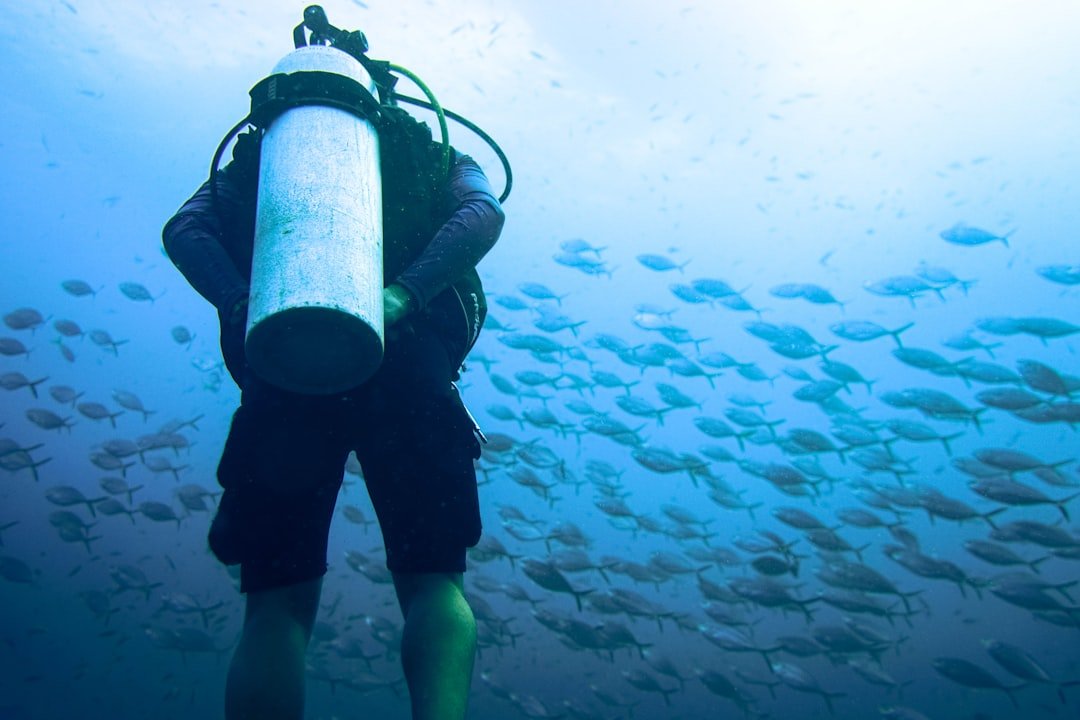
For most recreational divers, an aluminum 80 is the sensible first purchase because it is widely supported by fill stations, common on charter boats, and easier to manage in warm water with a wetsuit. Steel vs aluminum scuba tanks is mainly a buoyancy and diving-style decision, and steel vs aluminum scuba tanks favors steel when you dive cold water, wear a drysuit, or want a shorter cylinder with more negative weight built in.
The simple version is this: aluminum tanks become noticeably more buoyant as you breathe them down. Most steel tanks stay negative when nearly empty. That difference affects how much lead you carry, where that weight sits, and how steady you feel during the last part of a dive.
Steel vs aluminum scuba tanks and buoyancy differences explained
A scuba cylinder changes buoyancy as gas leaves it. Compressed air has weight, so a full cylinder is heavier than the same cylinder at reserve pressure. Every tank becomes lighter during a dive. The key difference is what happens near the end.
A common aluminum 80 starts slightly negative when full, then can finish around 4 pounds positive in fresh water. Exact numbers differ by manufacturer and valve choice, but the swing is often around 5 to 6 pounds. If you set your weight only for the beginning of the dive, you may have to work harder to hold a stop as the tank empties.
Most popular steel single cylinders remain negative when low on gas. Their buoyancy change over the dive is usually smaller as well. A typical steel tank might still be 1 to 4 pounds negative near reserve pressure, depending on its size, wall thickness, valve, and whether you are in fresh or salt water. That means less late-dive floatiness.
Negative does not automatically mean better. The weight of a steel cylinder is fixed at your back. Lead in an integrated pocket or weight belt can often be adjusted, shifted, or released according to the equipment system and training you have. A steel tank can improve trim for one diver and make another diver too negative in the feet or lower back. Body shape, BCD design, exposure suit, and cylinder band position all matter.
| Factor | Common aluminum 80 | Common steel single tank |
|---|---|---|
| Buoyancy when full | Slightly negative in many models | Usually more negative |
| Buoyancy near reserve pressure | Often positive | Usually remains negative |
| Weight change during dive | Often around 5 to 6 pounds | Often smaller, model dependent |
| Physical shape for a given gas volume | Usually wider and longer | Often narrower and shorter |
| Best common use | Warm-water recreation, travel, rental-compatible setups | Cold water, drysuits, local diving, compact high-pressure setups |
| Care priority | Protect threads and inspect for exterior damage | Prevent and catch internal or exterior rust early |
Those are broad patterns, not a substitute for the buoyancy specification on the actual cylinder. A steel LP85, a compact high-pressure 100, and a heavy-wall steel 80 do not behave the same way. Aluminum 63, 80, and 100 cubic foot cylinders differ too. Read the manufacturer buoyancy data for the exact model, then weight-check it with your normal equipment.
Why aluminum is my recommendation for the common case
Buy an aluminum 80 if you are a newer owner-diver who mostly uses a wetsuit, dives vacation destinations, does standard recreational profiles, and may rent tanks at some destinations. It is the least complicated choice.
Aluminum 80s are common across much of the US, Caribbean, Mexico, Australia, and many warm-water resort operations. If your own tank needs service or you leave it home for a flight, the rental cylinder you receive will often have a similar diameter, length, valve style, and underwater behavior. That consistency makes setup easier.
They also tend to cost less than comparable steel cylinders at initial purchase, though prices vary by region. The lower purchase price leaves budget for a properly fitted BCD, exposure protection, service parts, fills, and a real weight check. Those items affect everyday comfort more than tank material alone.
The travel point needs a little nuance. An aluminum 80 is not light luggage. A typical empty aluminum 80 still weighs roughly 30 to 35 pounds with its valve. Owning one does not make airline baggage easy. Many flying divers rent cylinders at the destination. Aluminum is the better travel-oriented choice because it matches the tank type you are likely to rent, not because it belongs in a checked bag.
There is one habit aluminum users need to learn: do your final buoyancy check with a low tank. A check at the start of a dive can hide the positive end-of-dive behavior. With supervision appropriate to your training, a typical check is done at shallow depth with your normal suit, BCD, regulator, and a cylinder at a planned low pressure. You should be able to hold a stop without finning while keeping a safe amount of gas. Ask a certified instructor to help if you are unsure how to conduct the exercise.
When steel is the better buy
Choose steel first if local cold-water diving is your main plan. A thicker wetsuit, hood, gloves, and especially a drysuit add buoyancy. Steel puts several pounds of negative buoyancy close to your spine, often reducing the lead carried around your waist or in BCD pockets. Many divers find that arrangement cleaner and more stable.
Steel is also a strong choice if you want a compact tank. A steel tank holding roughly 80 to 100 cubic feet may be shorter and narrower than an aluminum 80. That can help shorter divers, divers whose BCD rides high with a long cylinder, and anyone who dislikes a tank extending well below the waist. Fit before buying. Cylinder length, boot height, and the location of the cam bands can change the result.
Higher-capacity steel cylinders can suit divers with higher gas consumption, provided the dive plan, regulator rating, fill availability, and local rules support that cylinder. Do not buy a high-pressure steel tank simply because the printed capacity sounds appealing. Some shops cannot fill every working pressure, and some boats standardize around aluminum cylinders. Confirm what your usual operators can provide before committing.
Steel also makes sense for divers who rarely fly with a tank and expect to keep one cylinder for years of local use. It can be an efficient long-term setup when cared for well. The downside is that it asks more attention after wet dives. Water inside a steel cylinder can start corrosion. Do not leave a cylinder empty with the valve open, do not rinse it by flooding the valve area, and have it inspected by a qualified cylinder professional on the schedule required where you dive.
How tank material changes weighting and trim
A tank choice does not tell you exactly how much lead to use. It only changes the starting point. A diver who moves from an aluminum 80 to a negative steel cylinder may remove several pounds of lead, but the correct amount might be less or more than expected.
Where you remove weight matters. Taking lead off a belt affects the body differently than removing trim weight from the upper tank bands. Steel itself is high on the back, so it can help a diver whose legs tend to float. It can also worsen a head-down tendency in some horizontal positions. A back-inflate BCD, a jacket BCD, and a backplate-and-wing setup distribute mass differently.
Start by setting the cylinder at a sensible height in the BCD. Many divers begin with the valve area near the top of the backplate or BCD collar, then make small changes after seeing their trim underwater. If your feet rise, moving the tank slightly lower may help. If your body feels head-heavy, a higher tank position or different trim-weight placement may work better. Make one change at a time, in calm shallow water, with a buddy and normal exposure gear.
Do not solve a trim problem by carrying excess lead. Overweighting makes buoyancy control harder, increases gas use from unnecessary movement, and can make an ascent less controlled. If you have persistent trim trouble, a certified instructor can watch your position and help you run a proper weight and trim evaluation. That is safer than copying another diver’s number of pounds.
Capacity labels can confuse the comparison
An aluminum 80 is usually called an 80 because it holds about 80 cubic feet of gas when filled to its marked service pressure, commonly 3,000 psi in the US market. Its actual internal volume and usable gas depend on the pressure rating, temperature, fill practice, and reserve you plan to keep.
Steel naming varies more. An LP85, HP80, HP100, or similar label can describe both capacity and pressure class, but the numbers are not interchangeable. A high-pressure steel 100 may offer more gas in a cylinder with a compact shape. It also needs a compatible fill and a regulator rated for that pressure. Check the stampings and manufacturer documentation rather than assuming a shop can fill it to the number printed in a sales listing.
Gas planning should come before cylinder preference. Choose capacity around your actual consumption, depth, buddy plan, current, and the reserve required by your training, operator, and local conditions. A bigger tank does not make an aggressive profile safer. It gives you more gas to manage.
Durability, inspection, and used-tank checks
Neither material is maintenance-free. Aluminum does not rust like steel, but it can corrode, suffer thread damage, and develop exterior wear. Steel can last a long time, but rust is a real concern if moisture enters the cylinder. Saltwater exterior rust around a boot or base deserves attention before it becomes a bigger problem.
For a used cylinder, ask for its current visual inspection record, hydrostatic test status, original manufacturer and model, working pressure, valve condition, and any repair history. Requirements and fill-station policies differ by country. A current test stamp does not guarantee that every operator will fill every cylinder, so ask your regular shop before purchase.
Be cautious with older aluminum cylinders until a qualified inspector confirms the model, alloy, thread condition, and local acceptance. Do not treat an online bargain as ready to dive because it holds pressure. Inspection costs, valve replacement, hydro testing, and transport can erase the initial saving quickly.
The practical buying decision
For the typical warm-water recreational diver, buy an aluminum 80 and spend the remaining budget on fit, servicing, and dives. Learn its end-of-dive buoyancy, then set your weighting around that reality. It is a familiar, flexible choice that will work with the tanks you encounter on many recreational trips.
Buy steel instead if you know your diving will center on cold water, a drysuit, frequent local shore diving, or a compact cylinder that stays negative near the end of the dive. In those conditions, steel is not a luxury upgrade. It can make the whole weighting system more balanced.
Before ordering either one, rent or borrow the tank style for a few dives if possible. Use your own BCD and exposure suit. Note your lead amount, trim at a safety stop, comfort during entries and exits, and how the cylinder sits on your back. That short trial tells you more than a catalog weight ever will.
Related posts
This article is for general informational purposes only and is not dive training or medical advice. Always train with a certified instructor and consult a doctor before diving if you have any health concerns. Gear specs, pricing, site conditions, and operator schedules change, so verify current details directly with the manufacturer or dive operator.
Disclosure: This post may contain affiliate links. If you click through and make a purchase, we may earn a commission at no extra cost to you. We only recommend gear we’ve researched or genuinely believe in.