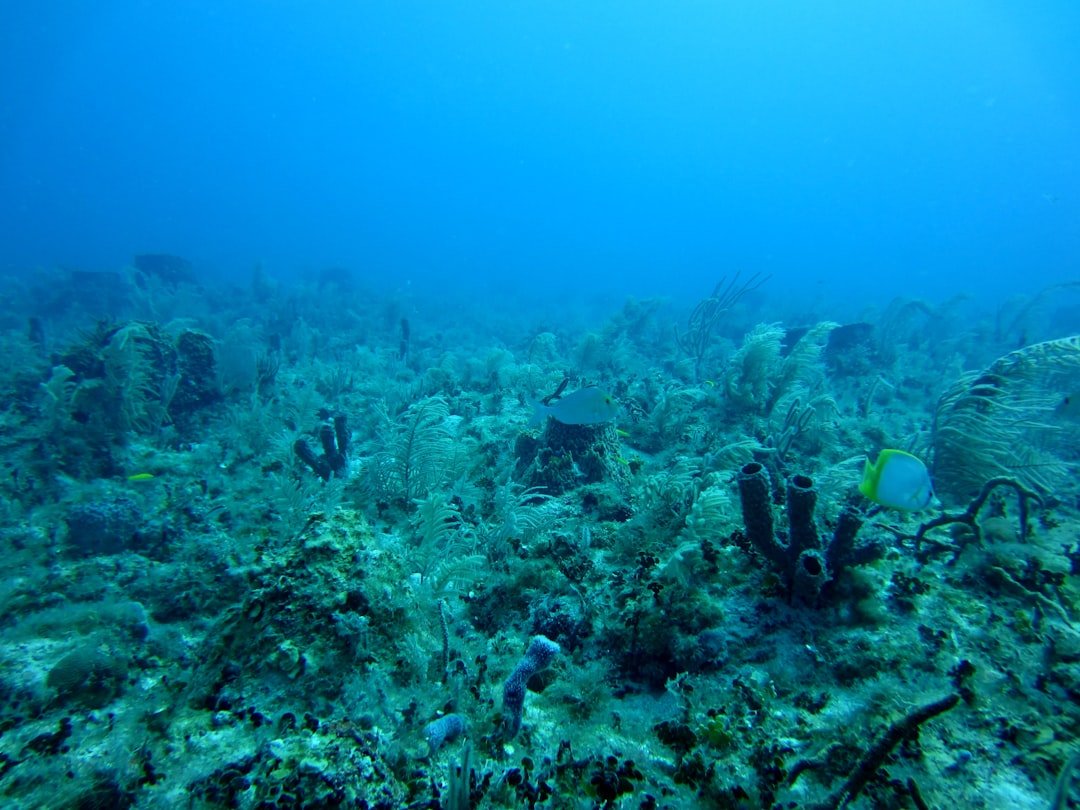
If you’re serious about underwater photography, a mirrorless camera for underwater photography is your best investment because it delivers superior autofocus, compact size, and image quality that far outpaces action cameras or older DSLRs. Most recreational divers aged 25–50 discover that a mirrorless camera for underwater photography handles low-light reef scenes and fast-moving subjects better than anything else in its price range. The choice comes down to which system matches your current skill level and budget without forcing a total restart when you advance.
Why Mirrorless Systems Win Underwater
You’d think compact cameras or GoPro-style devices would dominate underwater work — they usually don’t. A mirrorless camera for underwater photography offers interchangeable lenses, manual exposure control, and autofocus algorithms that reef lighting actually demands. The electronic viewfinder shows you exactly what the sensor captures in real time, eliminating guesswork.
I’ve been diving with mirrorless setups for years now, and the autofocus tracking on fast-moving fish is genuinely impressive compared to older technology.
| Camera Type | Image Quality | Low-Light Performance | Autofocus Speed | Total System Cost |
|---|---|---|---|---|
| Mirrorless (Full Frame) | Excellent | Excellent | Very Fast | $2,500–$5,000+ |
| Mirrorless (APS-C) | Very Good | Very Good | Very Fast | $1,500–$3,000 |
| DSLR with Housing | Very Good | Good | Moderate | $1,800–$4,000 |
| Compact/Action Camera | Good | Fair | Moderate | $400–$800 |
Choosing Between Full Frame and APS-C for Your Skill Level
Starting with APS-C makes sense unless you’re already experienced with manual exposure in challenging light. The best system for image quality and growth should match where you actually are right now, not where you hope to be in five years.
Full-frame sensors crush APS-C in extreme low-light scenarios and deliver shallower depth of field if you want reef portraits with subject isolation. Cost jumps significantly though. I’ve seen so many divers spend $4,000 on full-frame gear, then abandon the hobby after two seasons because the learning curve combined with housing maintenance wore them down.
APS-C gives you.
Genuine autofocus capability, strong high-ISO performance, compact underwater housings that don’t require two hands to maneuver in currents, and the ability to sell the system later without catastrophic loss. Most divers serious about the hobby move up within 18–24 months; by then you’ll know exactly which direction you want to go. Starting smart saves money and frustration.
Housing Selection: The Real Cost Driver
The camera body is only half the equation. A quality underwater housing for your mirrorless camera for underwater photography costs as much as the camera itself, sometimes more. This is where most people don’t realize they’re making their biggest mistake.
Aftermarket housings from specialized manufacturers offer superior ergonomics, better depth ratings, and more accessory compatibility than generic solutions. Budget housings fog, corrode, and develop slow water leaks that ruin your sensor. Reliable housings rated for 130 feet or deeper (check manufacturer specs for your diving profile) run between $800 and $2,000.
Factors that matter.
- Maximum depth rating well above your intended diving depth
- Smooth manual focus gear and reliable autofocus pass-through
- Corrosion resistance in salt water with annual maintenance
- Availability of wet lenses and diopter options for macro work
- Spare O-ring kits and housing gasket materials from the manufacturer
Setting Up Your System: From Housing Assembly to First Dive
Here’s where most divers give up: the learning curve between owning the gear and actually using it effectively takes longer than they expect.
Condition: You’ve purchased a mirrorless camera for underwater photography, housing, port, and lens but have never used this system in water.
Audience: Recreational divers aged 25–50 with basic camera experience or none at all.
Method: Systematic assembly and freshwater testing before any saltwater dives.
Steps:
- Clean and dry the housing interior completely, apply a thin silicone grease layer to the O-ring following the manufacturer’s exact instructions
- Assemble the camera and port inside the housing, ensuring the focus ring sits smoothly without grinding or resistance
- Submerge the entire sealed housing in fresh water in a bathtub or pool for 10 minutes while monitoring for external water ingress
- Dry everything completely afterward, disassemble, inspect the O-ring for debris or damage, then reassemble for actual diving
- On your first saltwater dive, shoot at shallow depth only, use autofocus mode on a subject you know well (like a coral head), and verify focus accuracy when you review images on land
- Rinse the housing and camera with fresh water immediately after every saltwater dive, disassemble fully once per week, and replace O-rings annually
Warnings: This is the part that actually matters. Skip the freshwater test and you risk catastrophic flooding. Don’t rush O-ring replacement just because they look fine; salt water degradation isn’t always visible. Most beginners use too much grease on the O-ring, which creates a poor seal; use the manufacturer’s recommendation, not your intuition.
Lenses and Ports: Building Your Arsenal Over Time
Start with one lens and port combination, then expand based on what you discover you actually want to shoot. A mirrorless camera for underwater photography lives or dies by lens choice.
Wide-angle work demands a 16–35mm equivalent lens with a dome port (flooded optics that magnify wide angles). Macro photography requires a 60mm or 90mm macro lens with a flat port. Trying to own both immediately wastes money; most divers shoot wide-angle their first year because reef landscapes feel safer than hunting tiny subjects in surge.
Budget $600–$1,200 per port and lens combination. A quality wet lens setup lets you add macro capability to your current wide lens without buying new ports.
My Picks for This
- Sony A6700 Mirrorless Camera — Fast autofocus and reliable performance in reef lighting with compact APS-C size that balances image quality and system portability for serious hobbyists transitioning from compact cameras.
- Nauticam ND5 Housing for Sony A6700 — Ergonomic controls, rated to 130 feet, with excellent focus gear tracking that doesn’t slip under strong current dives or rapid autofocus cycles.
- Canon EOS R6 Full-Frame Mirrorless Camera — Exceptional high-ISO performance and dual autofocus systems ideal for divers ready to invest in advanced low-light reef work or deeper wreck photography.
- Ikelite Housing for Canon EOS R6 — Battle-tested reputation with reliable O-rings, modular port compatibility, and comprehensive spare parts availability worldwide.
- Zen 67mm Macro Wet Lens — Expands your existing wide setup into macro range without purchasing new ports, allowing you to photograph nudibranches and crustaceans while keeping housing footprint small.
Frequently Asked Questions (FAQ)
Q1. How much does a complete mirrorless underwater photography system actually cost?
Expect $2,000–$3,000 total for a working APS-C mirrorless system (camera, housing, lens, and one port). Full-frame systems run $4,000–$6,000+. This covers only the core gear; macro wet lenses, backup batteries, memory cards, and maintenance supplies add another $500–$1,000 over your first year.
Q2. Should I start with mirrorless or try a simpler compact camera first?
If you’re already comfortable with manual camera settings, jump to mirrorless. If you’ve never shot manual exposure, rent a compact system for two dives first to decide if underwater photography excites you enough to justify the cost. Most divers ditch compact cameras within a season anyway because limitations become frustrating.
Q3. What’s the best beginner lens for a mirrorless camera for underwater photography?
A 16–35mm wide-angle with a dome port is the universally correct answer. It handles most reef and wreck scenes, forgiving autofocus mistakes are less obvious in wide shots, and depth of field stays deep enough that slight focus errors don’t ruin images.
Q4. Do I need a full-frame mirrorless camera for underwater photography, or is APS-C enough?
APS-C is more than enough for 90% of recreational diving. Full-frame wins in extreme low-light scenarios (like wreck interiors or night dives) and subject isolation. Start with APS-C and move up only after you’ve mastered autofocus, composition, and housing maintenance with your first system.
Q5. How often do I need to replace O-rings on my underwater housing?
Replace O-rings annually if you dive saltwater regularly, more frequently if you notice any stickiness, visible cracking, or reduced sealing tension. Clean and inspect them after every dive. Most manufacturers include spare O-rings with housing kits; order replacements well in advance since they’re inexpensive but easy to forget until an emergency.
Q6. Can I use the same housing with different camera bodies?
No. Each camera and housing pairing is specific because focus gears, button placement, and port interfaces differ between models. Switching cameras usually means buying a new housing or at minimum a new back plate and focus gear assembly.
This post is for informational purposes only and does not constitute professional diving instruction, medical advice, or travel guidance. Scuba diving involves inherent risks — always train with a certified instructor and consult a physician before diving. Prices, product specs, dive site conditions, operator schedules, and entry requirements are subject to change without notice. Always verify current details directly with manufacturers, retailers, dive operators, and local authorities. This site may contain affiliate links — purchases made through our links may earn us a commission at no extra cost to you.