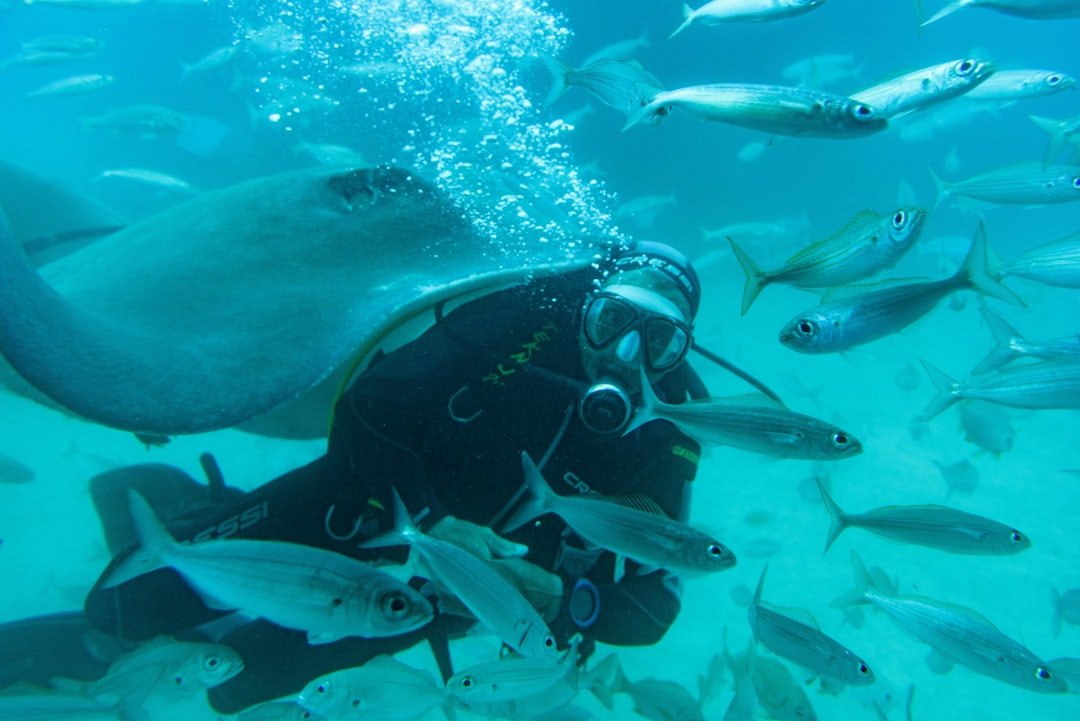
To improve air consumption while diving, reduce unnecessary effort, hold stable buoyancy, and breathe slowly without forcing or holding your breath. How to improve air consumption while diving usually comes down to comfort and control, not trying to copy the cylinder time of the most experienced person on the boat. Start with the basics. Your air use reflects your depth, fitness, thermal comfort, workload, cylinder size, and how settled you feel in the water.
Air use is not a score. A tall diver swimming in current at 80 feet will usually consume gas faster than a smaller diver drifting in warm, shallow water, even when both divers have solid technique. Comparing pressure readings without context causes needless stress. Focus on your own repeatable baseline instead.
How to improve air consumption while diving through buoyancy
Stable buoyancy is usually the largest practical improvement available to a newer diver because every correction with your hands, fins, or inflator costs energy. Small corrections matter. If you sink slightly, add air, rise too far, dump air, then kick to stop yourself, your body works harder than it needs to for the entire dive.
Check your weighting with a certified instructor or divemaster in the gear you actually use, including your exposure suit, tank type, and typical water conditions. Suit compression changes at depth. A diver who is correctly weighted near the surface may still need to adjust buoyancy carefully as neoprene loses lift deeper down, while an overweight diver often carries excess air in the BCD and fights constant instability.
Use your lungs for small buoyancy changes only after your BCD is close to neutral. A slightly fuller inhale can slow a descent or begin a gentle rise, while a normal exhale can help you settle, but your breath is not a replacement for correct weighting. Keep breathing continuously. Never skip-breathe or hold your breath underwater, because trapped expanding gas can cause serious injury during ascent.
Settle before you start swimming
At the start of a dive, pause once you reach the planned depth and give yourself a moment to establish neutral buoyancy before heading off. Take ten calm breaths. This simple reset can stop the rushed, over-finned beginning that burns through a surprising amount of gas while you are still adjusting your mask, computer, hoses, and position.
A useful check is whether you can hover for a short time without sculling your hands or making large fin movements. Your instructor can watch this. If your feet continually drop, your head rises, or you need repeated inflator-button corrections, address trim and weighting before blaming your breathing pattern.
Breathing techniques for beginners
Good breathing techniques for beginners are calm, continuous, and comfortable rather than unusually deep or artificially slow. Keep it natural. Inhale smoothly, then exhale fully but without squeezing out every last bit of air, and leave no pauses that turn into breath-holding.
Many new divers breathe fast and shallow when they are busy watching their gauge, trying to stay close to a buddy, or feeling water move around them. This can create a tense cycle where extra effort raises breathing rate, then the falling pressure reading creates more tension. Slow your pace first. Your breathing rate often follows once your body no longer feels rushed.
Do not deliberately hyperventilate before or during a dive in an attempt to extend bottom time. It does not solve the real issue, and it can interfere with normal awareness of breathing needs. If you regularly feel short of breath, chest discomfort, dizziness, unusual fatigue, or anxiety underwater, end the dive safely and discuss the situation with a certified instructor and a doctor before returning to diving.
Try this simple rhythm during a calm part of the dive: breathe in smoothly, breathe out a little longer, and let the regulator deliver gas without sucking hard. Count only if it relaxes you. A gentle four-second inhale and five- or six-second exhale may feel comfortable for some divers at rest, but do not force a count when swimming, handling current, or dealing with task loading.
Stop wasting energy with better trim and finning
Trim affects air use because poor body position creates drag and encourages inefficient kicking. Stay streamlined. Aim for a mostly horizontal position with knees bent enough that your fins remain behind you instead of dropping below your body like anchors.
Long, controlled frog kicks often suit relaxed reef dives because they move you forward without constant rapid motion, and they are less likely to stir up sand. Flutter kicks are useful too, particularly when a site or training exercise calls for them, but fast bicycle-style kicking tends to waste energy. Ask an instructor to film or observe your kick. What feels flat underwater can look very different from the side.
Keep your hands still whenever practical. Divers often paddle unconsciously with their hands when they are underweighted in skill practice but overweighted in lead, or when their trim is off. Fix the cause. Tucking dangling gauges, octopus hoses, and accessories also reduces drag and prevents them from scraping coral or silting out the bottom.
Plan the dive around effort and depth
Depth changes gas consumption even if your breathing stays identical because each breath contains more gas at higher ambient pressure. This is physics. At roughly 66 feet in seawater, the pressure is about three times surface pressure, so a given lungful uses about three times as much gas from the cylinder as it would at the surface.
That does not mean you should avoid deeper dives. It means plan them honestly. Spend only the needed time at the deepest part of the profile, avoid unnecessary backtracking, and begin the return while you still have enough gas for your ascent, safety stop, and the reserve required by your plan or operator.
Current changes everything. If there is a choice, start a shore dive or navigation loop into the current while you are fresh, then let the easier leg bring you back, provided the site plan and local procedures allow it. Do not race a buddy. Signal that you need to slow down, and turn the dive when your agreed pressure or time limit is reached.
Track a useful personal baseline
Your surface air consumption rate, often called SAC, can show whether changes to weighting, trim, or workload are helping over several similar dives. One dive proves little. Record starting and ending pressure, average depth, bottom time, cylinder size, water temperature, and notable conditions such as current or a thick wetsuit.
A basic calculation uses gas consumed divided by average ambient pressure and dive time. For example, if you use 1,200 psi from an 80-cubic-foot cylinder over 40 minutes at an average depth of 33 feet, you used about 30 cubic feet total; average pressure was roughly 2 ATA, so the estimated SAC rate is 30 divided by 2 divided by 40, or about 0.38 cubic feet per minute. Use the same units each time. Your computer, instructor, or a logbook app can help with metric conversions and more detailed calculations.
Compare dives with similar depth and conditions, not a calm quarry dive against a cold ocean dive with current. Look for trends. A lower rate after correcting excess weight or improving trim is useful feedback, while a higher rate may simply reflect colder water, hard swimming, stress, or an unfamiliar task.
Check comfort, equipment, and expectations
Cold divers consume gas faster because shivering and tension require energy, so wear exposure protection that suits the water rather than choosing a thinner suit for easier movement. Stay warm. A hood can make a major comfort difference in cool water, and a proper fit matters more than a brand label.
A poorly fitting mask, leaking drysuit, free-flowing regulator, or badly placed weight can distract you enough to raise air use, although equipment alone rarely explains consistently high consumption. Have questionable equipment inspected by a qualified service professional. Avoid changing regulator settings or modifying life-support gear unless the manufacturer instructions and your training support it.
Finally, give yourself permission to improve gradually. The divers who appear to use little gas are often moving slowly, choosing efficient routes, and staying relaxed because the basic skills have become automatic. Practice in easy conditions with a certified instructor. Comfort comes first, and longer dives are usually the side effect.
Related posts
This article is for general informational purposes only and is not dive training or medical advice. Always train with a certified instructor and consult a doctor before diving if you have any health concerns. Gear specs, pricing, site conditions, and operator schedules change, so verify current details directly with the manufacturer or dive operator.
Disclosure: This post may contain affiliate links. If you click through and make a purchase, we may earn a commission at no extra cost to you. We only recommend gear we’ve researched or genuinely believe in.