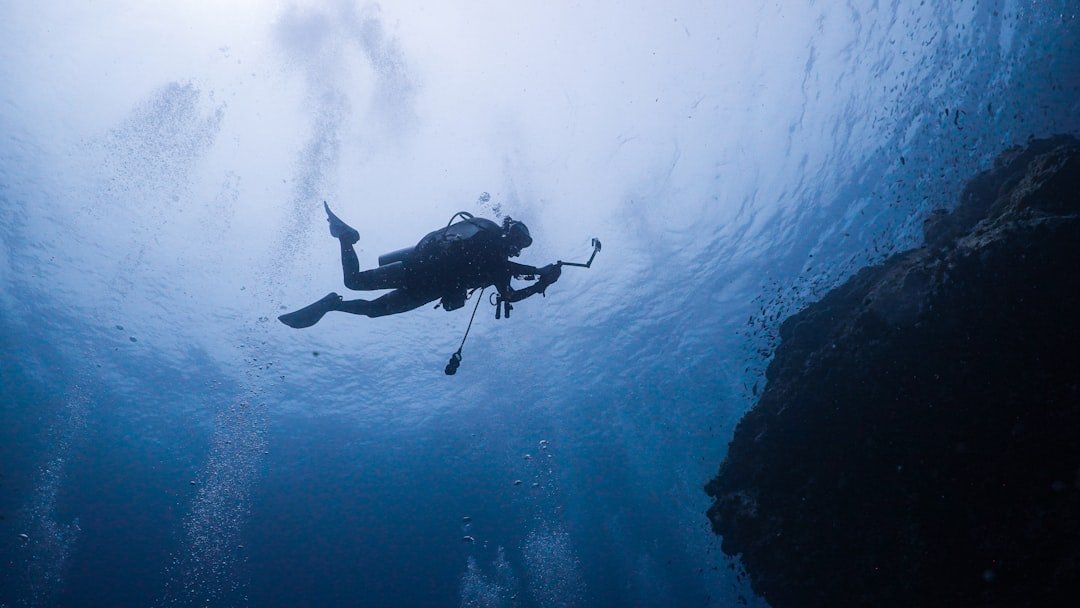
If you’re asking how to become a divemaster, you’ve already passed the mental checkpoint most recreational divers never reach. The transition from weekend explorer to professional guide is real, achievable, and increasingly popular among divers aged 25–50 in North America and Australia. Before you commit to how to become a divemaster, understand that this path requires specific certifications, meaningful financial investment, and a lifestyle shift that sounds romantic until you’re working your sixth consecutive week in humid heat.
The Realistic Path to Professional Diving
Most divers interested in how to become a divemaster think the journey starts with a single course. It doesn’t. Professional divemaster status sits at the end of a structured progression that begins where your recreational diving ends. You’ll need to hold current advanced open water certification, log a minimum number of dives (typically 60–100 depending on the agency), and demonstrate genuine water competency before enrollment even opens.
Here’s where most divers give up: the prerequisite work happens before formal divemaster training begins.
| Certification Level | Dives Required | Time Investment | Typical Cost Range |
|---|---|---|---|
| Advanced Open Water | 0 (builds on Open Water) | 2–3 days | $300–$500 |
| Rescue Diver | 20+ logged dives | 2–3 days | $400–$650 |
| Divemaster Certification | 60–100 logged dives | 8–20 days (intensive or part-time) | $1,200–$2,500 |
| Assistant Instructor (optional next step) | 100+ logged dives | 3–5 days | $800–$1,500 |
These ranges exist because certification costs vary dramatically by location. Diving in Southeast Asia during a liveaboard course runs substantially cheaper than classroom-based training in North America. Verify current pricing directly with your chosen dive operator.
Prerequisites You Actually Need Before Applying
You’d think rescue diver certification is just another checkbox. Most divers treat it that way — they don’t. This certification separates committed professionals from casual tourists because it demands you manage real emergency scenarios, not practice drills. I’ve been diving with rescue-certified divers for years, and they handle stressful situations with composure that simply doesn’t exist in uncertified peers.
- Advanced Open Water Certification from any PADI, SSI, NAUI, or equivalent agency
- Rescue Diver Certification (required by all major agencies)
- 60–100 documented dives with logbook verification
- Current First Aid and CPR certification
- Medical fitness confirmation from a dive medicine physician
- Honesty about your actual experience level
Most people don’t realize that logbook entries need accuracy verification. Instructors cross-reference your dive count during intake assessment. Padding numbers ends immediately at that conversation.
How to Become a Divemaster: The Actual Training Process
The certification itself spans multiple formats. Intensive courses run 8–10 consecutive days. Part-time paths stretch across weekends and evenings over 3–6 months. Liveaboard programs combine classroom theory, confined water practice, and open water applications in a single immersion. Your choice depends on work schedule, learning style, and how quickly you can absorb high-volume technical material.
- Enroll with a certified divemaster trainer at a recognized facility that matches your schedule and learning approach
- Complete the theory modules covering dive physics, physiology, training techniques, and professional standards
- Perform confined water demonstrations proving you can execute all fundamental skills with teaching-level precision
- Complete open water practical applications where you lead classroom students on actual dives under instructor supervision
- Pass the comprehensive written exam covering all course material and emergency protocols
- Document final sign-off and receive your certification card
This is the part that actually matters: how you become a divemaster depends partly on choosing the right training environment. I’ve been diving with instructors trained in different contexts, and facility quality dramatically influences teaching quality afterward. A rushed certification from a high-volume operation produces different professionals than a smaller, selective program.
Real Costs of Becoming a Divemaster
Training fees represent only part of your investment. Factor in prerequisite certifications, equipment upgrades, travel to training location, accommodation during intensive courses, exam fees, certification paperwork, and initial professional gear purchases.
Total realistic investment: $4,000–$8,000 before you earn your first paycheck.
Liveaboard divemaster training appears cheaper upfront because it bundles accommodation and meals. Verify what’s included before commitment. Some programs charge separately for nitrox specialties, additional dive fees, or examination preparation materials.
What Living as a Divemaster Actually Means
Income fluctuates seasonally. Peak season generates steady work and better compensation. Off-season means reduced hours, reduced pay, or temporary work outside diving. Most professional divemasters in North America and Australia run second income streams or accept contract positions rather than full-time employment.
Work location decisions drive lifestyle. Tropical resort diving offers consistent tourists but limited social variety. Liveaboard guiding provides intense social connection but months away from home. Cold water diving in Canada or temperate zones attracts serious divers willing to pay premium rates but reduces overall booking volume.
Physical demands intensify once you’re leading four to six dives daily. Repetitive equipment donning, long surface intervals managing students, and the cognitive load of safety responsibility create fatigue that recreational diving never triggers. Your body will notice.
My Picks for This
- Shearwater Peregrine — A wrist-mounted dive computer designed specifically for divemaster use, offering reliable tracking and student visibility during underwater teaching scenarios
- Scubapro K-Pdis Regulator System — Dependable, serviceable regulators that withstand constant use and attract student renters seeking familiar equipment names
- Zeagle Scope Dual Lens Mask — Wide field of view lets you monitor multiple students simultaneously while maintaining clear sightlines during demonstrations
- Hollis Explorer Rebreather Harness — Redundant breathing systems appeal to professional guides managing equipment failures and building confidence in advanced teaching scenarios
- Sea & Sea YS-D3 Strobe — Compact backup lighting that won’t add bulk to your already equipment-heavy professional setup
Frequently Asked Questions (FAQ)
Q1. How long does divemaster training actually take?
Intensive formats run 8–10 consecutive days. Part-time programs span 3–6 months depending on your commitment level and training facility scheduling. The fastest completion path combines prerequisites already met before enrollment.
Q2. Can I become a divemaster without taking a liveaboard course?
Absolutely. Shore-based training works equally well if you have consistent access to dive sites and a reliable instructor. Liveaboard programs compress timeline and reduce logistics planning but cost more upfront.
Q3. What’s the salary range for professional divemasters?
Compensation varies by location, operator type, and season. Resort positions range between $1,200–$2,500 monthly plus tips. Liveaboard guides earn $2,000–$3,500 monthly. Freelance guides working seasonal contracts negotiate individually. Verify current rates with your target employer or location.
Q4. Do I need my divemaster certification to lead recreational dives?
Yes. Leading recreational divers requires professional certification from a recognized agency. No legal loopholes exist — operating without credentials exposes you to liability and disqualifies you from employment at legitimate operations.
Q5. What happens if I fail the divemaster certification exam?
You can retake it. Most agencies allow one free retake within a specified timeframe. Additional attempts require fee payment. Failure usually indicates knowledge gaps rather than skill deficiency — revisit theory materials and try again.
Q6. Should I specialize after becoming a divemaster?
Optional but strategic. Technical diving specialties, nitrox instruction credentials, or rescue diver teaching certifications increase marketability and earning potential. Build these incrementally after establishing baseline divemaster competency.
This post is for informational purposes only and does not constitute professional diving instruction, medical advice, or travel guidance. Scuba diving involves inherent risks — always train with a certified instructor and consult a physician before diving. Prices, product specs, dive site conditions, operator schedules, and entry requirements are subject to change without notice. Always verify current details directly with manufacturers, retailers, dive operators, and local authorities. This site may contain affiliate links — purchases made through our links may earn us a commission at no extra cost to you.