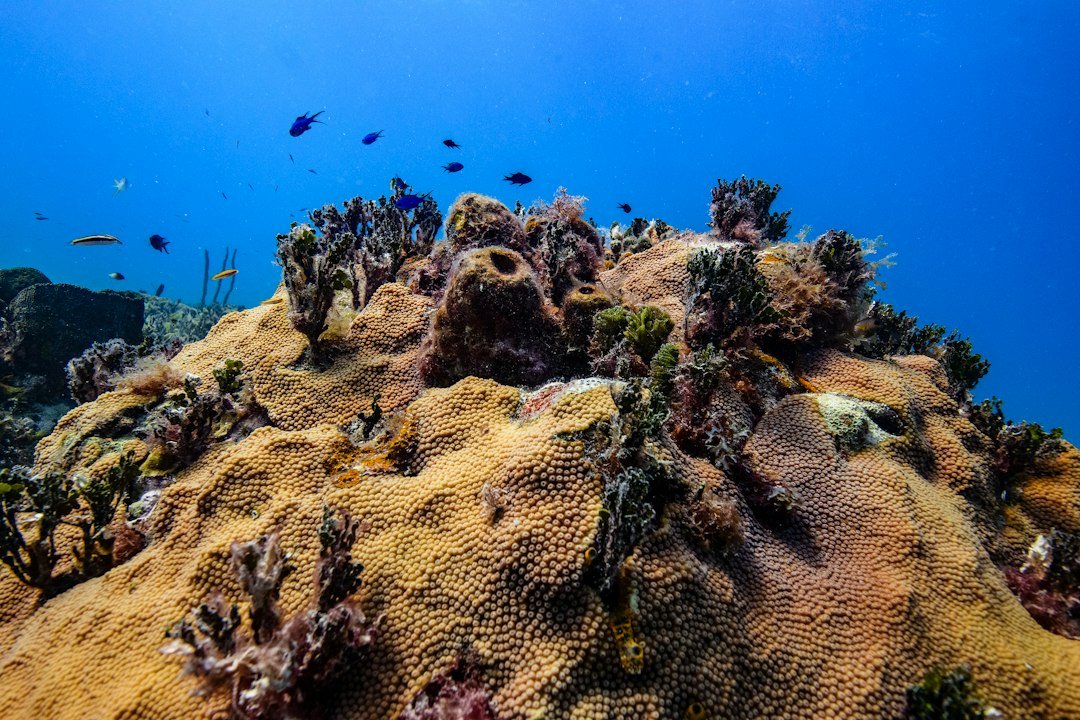
A common misconception is that the best diving in the Bahamas always means shark dives, deep walls, and dramatic blue holes. For beginners, the best diving in the Bahamas is usually a calm, shallow reef or wreck dive with an attentive guide, manageable boat ride, and an easy exit. Simple is good. The islands have clear water and plenty of sites within recreational depth limits, but current, surface chop, and changing weather can make one operator’s easy morning dive feel very different from another boat’s afternoon plan.
Newly certified divers often imagine every Bahamian dive as a major expedition. It rarely needs to be. A good first trip can be two guided boat dives over coral heads, sand channels, and small wrecks where you have time to settle your buoyancy before looking for fish. Choose comfort first. You will see more when you are relaxed, properly weighted, and not preoccupied with descending in current or keeping up with a fast group.
Where to find the best diving in the Bahamas for beginners
Nassau and nearby New Providence are often the most practical starting point because they have a wide choice of accommodations, airport access, and dive operators that regularly run half-day reef trips. Conditions still change. Many local sites sit in roughly 30 to 60 feet of water, which leaves ample bottom time for a newly certified diver who is watching their computer and breathing normally. Reef fish, rays, small wrecks, and coral formations are realistic expectations, while a specific animal sighting never is.
Grand Bahama is another sensible choice, especially for divers who want a less complicated trip plan and reef diving without committing to a liveaboard. The island has shallow reef areas and wreck options, although the best choice depends on wind direction and the day’s sea state. Ask early. A responsible operator should be willing to describe the expected depth, entry method, current, and visibility in plain language before you commit to the boat.
Exuma can be excellent for a beginner who already feels comfortable in open water and wants a quieter, more remote itinerary. It is not automatically easier. Some trips involve longer runs, more exposed conditions, or sites where a guide expects divers to descend and stay close to a mooring line without much delay. Pick shore-based day diving or a beginner-oriented liveaboard itinerary only after confirming how the operation handles less experienced divers.
Bimini attracts divers for clear water, reef life, and shark-focused trips. It can work for a confident beginner, but it is not my first recommendation for someone who has only completed certification dives or has not dived in a year. Keep it low pressure. Shark dives can have strict briefing requirements, changing conditions, and expectations about buoyancy control that make a standard reef dive a better first-day choice.
| Area | Why it can suit beginners | Ask before booking | Best fit |
|---|---|---|---|
| Nassau and New Providence | Many day-boat options and a broad range of shallow reef sites | Boat size, group ratio, depth, and whether the site has current | First Bahamas trip or short stay |
| Grand Bahama | Reefs and wrecks with straightforward resort-based logistics | Surface conditions, required experience for wrecks, and rental availability | Divers who want an easy land-based plan |
| Exuma | Clear water and lower-key island atmosphere | Run time, seasickness risk, and whether the planned sites suit new divers | Comfortable beginners with extra trip time |
| Bimini | Reef dives plus shark-oriented options | Minimum experience, briefing rules, and alternate reef sites | Recently active beginners with solid buoyancy |
What a beginner-friendly Bahamas dive looks like
The right dive profile matters more than the island name. Look for a planned maximum depth you are comfortable with, an easy descent line or calm free descent, and enough bottom time to avoid rushing. A protected reef in 35 feet can be a far better dive than a famous wall if the wall begins beyond your training, comfort, or air consumption.
Good visibility helps, but it can create a trap. Clear water makes depth difficult to judge, and a diver who feels relaxed can drift deeper than planned while watching turtles or following a guide over a slope. Check your computer often. Agree on a maximum depth with your buddy or guide before the splash, then turn the dive when either diver reaches the agreed pressure or no-decompression limit.
Current deserves an honest conversation. A gentle drift can be fun when the group enters together, stays close to the guide, and uses a surface marker buoy only if trained and instructed to do so. Strong current is different. If you are new, ask whether the boat can switch to a sheltered site when current or wind rises instead of treating the planned dive as fixed.
Wrecks also need context. Looking at a wreck from outside is one thing. Penetrating any overhead environment is another and needs training beyond an entry-level certification. Stay outside. Even open-looking corridors can hold sharp metal, silt, fishing line, or a route that becomes confusing when visibility changes.
How to choose a dive operator
Use the booking conversation as part of your screening. Tell the operator your certification level, number of logged dives, date of your last dive, and whether you have dealt with seasickness, ear equalization trouble, or anxiety in current. Be direct. A good response is not a promise that every site will suit you; it is a practical explanation of options and a willingness to adjust the plan if conditions allow.
- Ask for the likely depth and conditions. Request the planned maximum depth, typical entry, expected current, and approximate boat ride for each day.
- Confirm the guide arrangement. Find out whether a guide is in the water, how many divers may be in that group, and what happens if someone uses air faster than expected.
- Check equipment details. Ask about tank type, included weights, computer and SMB rental, sizing availability, and whether the operator supplies a shorty or full wetsuit when water feels cool.
- Plan a gentle first day. Book easier reef dives first, then decide whether you want a wreck, drift, shark encounter, or deeper profile after you have seen the actual conditions.
- Leave room for weather. Schedule diving early in the trip so a windy day does not erase your only chance to get in the water.
Do not treat a refresher as an embarrassment. If it has been many months since your last dive, a pool review or supervised skills check can make the first ocean descent much calmer, especially if you changed exposure gear, bought a new BCD, or normally dive in very different water. Training matters. Ask a certified instructor or dive professional about the most suitable refresher option for your experience.
Conditions, timing, and what to pack
The Bahamas has warm water for much of the year, but comfort is personal and changes with wind, depth, repetitive dives, and how easily you get cold. Many visitors use a thin full suit or shorty depending on season and preference. Bring more coverage than you think. A diver who starts shivering will burn through air faster and enjoy the dive less, even in water that initially felt pleasant.
Summer often brings warmer water and calmer-looking mornings, while tropical weather can affect travel and dive schedules. Winter can bring cooler water and stronger winds around exposed coasts, although conditions vary widely by island and week. Check close to departure. No season guarantees flat seas, wildlife encounters, or a particular visibility number.
For gear, prioritize familiar equipment over a shiny new setup that you have never used underwater. A properly fitting mask, snorkel if you use one, fins that do not cause blisters, exposure protection, and a dive computer are useful personal items for regular divers. Test them first. If you rent a BCD and regulator, inspect the fit, learn where the integrated weights and alternate air source sit, and perform the normal pre-dive checks with your buddy and crew.
Pack a reusable water bottle, dry bag, reef-safe sun protection where permitted and appropriate, and a simple way to log depth and notes after each dive. Avoid relying on a phone aboard an open boat. Salt spray and wet hands have ended plenty of photo plans before the first descent.
Beginner mistakes to avoid
The biggest mistake is booking based only on the most dramatic photo. Those images may show a site in unusually calm conditions with experienced divers, specialized procedures, or an itinerary that is not designed around a novice diver’s pace. Ask what you will actually do. The answer should include depth, conditions, timing, and the operator’s backup plan if the original site is unsuitable.
Another mistake is trying to fix equalization trouble by forcing it. Descend slowly, equalize early and often, and signal the guide if you cannot clear comfortably. Stop. Ascend slightly if appropriate, then try again according to the methods you learned in training. Do not push through pain, and speak with a doctor and a certified instructor if ear or sinus issues are recurring.
Finally, do not make a vacation schedule so tight that you are tempted to fly too soon after diving. Follow your dive computer, training guidance, and the operator’s surface-interval recommendations, especially after multiple dives over several days. Give yourself time. Conservatism is usually the better travel plan.
Frequently asked questions
Is the Bahamas good for a newly certified diver?
Yes, provided you choose sheltered, guided reef dives that match your training and current comfort level. Nassau and Grand Bahama are often convenient starting points because operators may have multiple site choices. Ask about conditions first. A newly certified diver does not need a deep wall, wreck penetration, or shark-focused dive to have a memorable Bahamas trip.
How many dives should a beginner plan per day?
Two daytime dives are a realistic starting point for many beginners, particularly on the first day in unfamiliar rental gear and salt water. Keep the schedule flexible. If you are cold, tired, anxious, or having trouble equalizing, skipping an optional later dive is the sensible call.
Do beginners need a guide in the Bahamas?
A guide is strongly helpful on an unfamiliar boat dive because they know the site layout, local procedures, and likely current pattern. You still need to monitor your own air, depth, buddy position, and no-decompression status. Stay accountable. A guide does not replace the buddy system or the skills taught in your certification course.
Are shark dives safe for beginners?
Safety depends on the specific operation, conditions, briefing, and your ability to follow instructions precisely. Some shark encounters may accept newer certified divers, while others need more experience or are a poor match for a nervous diver. Choose carefully. A standard reef dive is usually the better first dive of the trip, and you can decide afterward whether a shark activity feels appropriate.
Should I bring my own dive computer?
If you own a computer and know how to use it, bringing it gives you familiar displays and lets you retain your logged profile data. If you rent one, ask for a brief explanation before boarding and confirm its alarms, units, and basic screen layout. Read it underwater. Your computer is a planning tool, not permission to exceed your training or ignore the guide’s site limits.
Related posts
This article is for general informational purposes only and is not dive training or medical advice. Always train with a certified instructor and consult a doctor before diving if you have any health concerns. Gear specs, pricing, site conditions, and operator schedules change, so verify current details directly with the manufacturer or dive operator.
Disclosure: This post may contain affiliate links. If you click through and make a purchase, we may earn a commission at no extra cost to you. We only recommend gear we’ve researched or genuinely believe in.