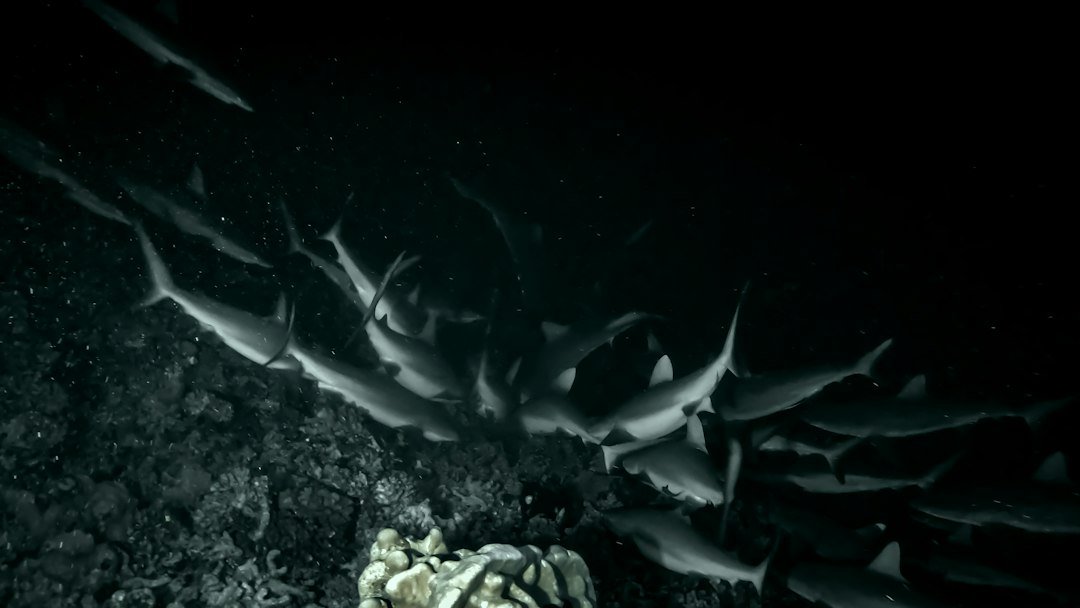
Book your first night dive with a certified instructor or guided operator at a site you have already dived comfortably in daylight. Do that first. Learning how to plan a night dive for beginners starts with reducing surprises, because darkness changes navigation, communication, buoyancy awareness, and the way a minor equipment problem feels underwater. For how to plan a night dive for beginners, choose calm conditions, a simple shore entry or moored boat site, and a team that has a clear plan before anyone enters the water.
How to plan a night dive for beginners
Pick a familiar, sheltered location with an easy exit, limited current, and a bottom profile you understand. Keep it simple. A reef you explored during the day, a protected cove, or a regular training site is usually a better first choice than a new wreck, deep wall, drift dive, or busy boat channel. Arrive while there is still daylight so you can see the entry route, landmark the exit, check the water surface, and lay out equipment without rushing.
Go with a buddy who agrees to stay close and follows the same signals. Night diving is not a solo experiment. If you are taking a course, follow your instructor’s procedures; if you are joining a guided dive, listen closely to the briefing and ask about the planned maximum depth, route, turnaround point, current, boat traffic, and lost-buddy procedure. A capable guide makes the first experience calmer, but each diver still needs to know the plan and monitor their own gas and gear.
Build a realistic dive plan
Set a conservative plan that matches the least experienced diver in the pair. Short is good. For a first night dive, a shallow route with a defined turnaround point is easier to manage than trying to cover a large area, and you will often see more by moving slowly and stopping to look under ledges or along sand patches. Agree on the maximum depth, expected bottom time, minimum turn pressure, and the exact exit location before gearing up.
Use your normal pre-dive buddy check, then add a light check. Test every light on the surface. Confirm that each primary torch switches on and off reliably, that its beam is bright enough to read gauges and inspect your buddy, and that the backup light is immediately reachable without opening a bag or removing equipment. Check batteries or charge level before leaving home, not beside the water after sunset.
Plan communication around light signals. A slow circular beam at your buddy’s chest or hand usually gets attention without blasting their eyes, while an okay signal is commonly made by drawing a circle with the light beam on the bottom or on your own hand. Avoid shining lights into faces. Your instructor or operator may use different signals, so agree on theirs during the briefing and practice them in shallow water first.
Night dive safety checklist
| When | Check | What to confirm |
|---|---|---|
| Before travel | Training and conditions | You are diving within your training, weather and water conditions are suitable, and the site has a clear entry and exit plan. |
| Before sunset | Route and landmarks | Walk the entry, identify the exit marker, note hazards, and confirm where vehicles, boat ladders, or shore support are located. |
| At kit setup | Lights and essentials | Each diver has a working primary light, accessible backup, exposure protection, cutting tool if appropriate for the site, and signaling gear required by the operator. |
| Before entry | Buddy plan | Review hand and light signals, maximum depth, turn pressure, route, separation response, and who leads. |
| During the dive | Distance and gas | Stay close enough to see your buddy’s light and body position, check gas more often, and turn early if either diver is uneasy. |
| After exit | Head count and log | Confirm both divers are out, account for all equipment, and discuss any issue while details are fresh. |
Make the separation procedure plain. If you lose sight of your buddy, stop, look for their light, and follow the procedure taught in your certification course or stated in the briefing. Do not race around searching. In many recreational plans, a brief search is followed by a controlled ascent according to training, but the local briefing and your certified instructor’s direction take priority.
Set up gear for darkness
Carry one primary dive light and one independent backup light. Two lights matter. A backup should be small enough to clip where you can reach it with either hand, yet strong enough to manage gauges, signals, and an orderly exit if the main light fails. A wrist-mounted or hand-mounted primary can work well, but use whichever style lets you operate your inflator, dump valves, and mask without fumbling.
Secure loose items before entering. Clip your pressure gauge, alternate air source, camera, and accessories so they cannot drag across coral, snag on a line, or disappear in the sand. If you use a camera, do not let it become the dive plan. For a first night dive, leave complicated photo gear behind or use it only after you are settled and maintaining easy buddy contact.
Bring adequate thermal protection for the actual water temperature and expected time in the water. You may feel colder at night. Shivering, distraction, or reduced hand function can turn a simple task into a frustrating one, so end the dive early if you are uncomfortable. If you have medical questions, recent illness, medication concerns, or a condition that affects diving, speak with a doctor familiar with dive medicine before you go.
Use slow, deliberate underwater habits
Descend only when both divers are ready, the surface team knows you are entering, and you can see the reference you intend to follow. Pause early. At a shallow depth, check that both lights work, confirm buoyancy, and exchange an okay signal before continuing. Keep your beam aimed slightly downward and ahead, which lights the route while preserving your buddy’s night vision.
Stay closer than you would on a day dive. In clear water that may mean within a few fin kicks, but visibility, current, and the site layout decide the actual distance. You should be able to identify your buddy immediately, read their signals, and reach them without a long swim. If that is no longer true, slow down and regroup.
Watch your instruments more often than usual. Darkness can hide depth changes and make a gradual drift away from the planned route harder to notice. Check depth, gas, time, and direction at regular intervals, then compare them with the plan you agreed on at the surface. Turn the dive when the first diver reaches the agreed limit. No debate is needed underwater.
Finish with plenty of margin for the exit. A long surface swim, a missed ladder, or a confusing shoreline can use more energy and gas than expected. Keep the exit light or boat light in view where possible, use a compass or natural navigation method taught in your course, and conduct your safety stop according to your training and conditions.
FAQ
Do beginners need a night-diving certification?
Requirements vary by operator and location. Ask first. Some guided trips accept certified open-water divers for a supervised night dive, while others require a specialty course or documented night experience. A night-diving course gives you time to practice lights, navigation, buoyancy, and emergency procedures with a certified instructor.
How many lights should a beginner carry?
Carry a primary light and an independent backup light. That is the usual baseline. Check that both are charged or have fresh batteries, and make sure you can reach the backup quickly with your gloves on. Your operator may require additional signaling equipment for boat diving.
What should I do if my primary light fails underwater?
Switch on your backup and signal your buddy. Stay together. End the dive in the controlled way taught during your training and follow the briefing plan, especially if you are in current, near a boat, or far from shore. Do not continue sightseeing on a backup light.
Is a shore night dive easier than a boat night dive?
It depends on the site. A familiar shore entry can be straightforward because you can inspect the route before dark, while a boat may provide a guide, a descent line, and an obvious illuminated return point. Choose the option with the clearest briefing, calmest conditions, and simplest exit for your experience.
What if I feel anxious after descending?
Signal your buddy and end the dive calmly. There is no prize for pushing through discomfort. A short, easy first night dive often builds more confidence than forcing a longer one, and a certified instructor can help you identify which skills need more practice.
Related posts
This article is for general informational purposes only and is not dive training or medical advice. Always train with a certified instructor and consult a doctor before diving if you have any health concerns. Gear specs, pricing, site conditions, and operator schedules change, so verify current details directly with the manufacturer or dive operator.
Disclosure: This post may contain affiliate links. If you click through and make a purchase, we may earn a commission at no extra cost to you. We only recommend gear we’ve researched or genuinely believe in.