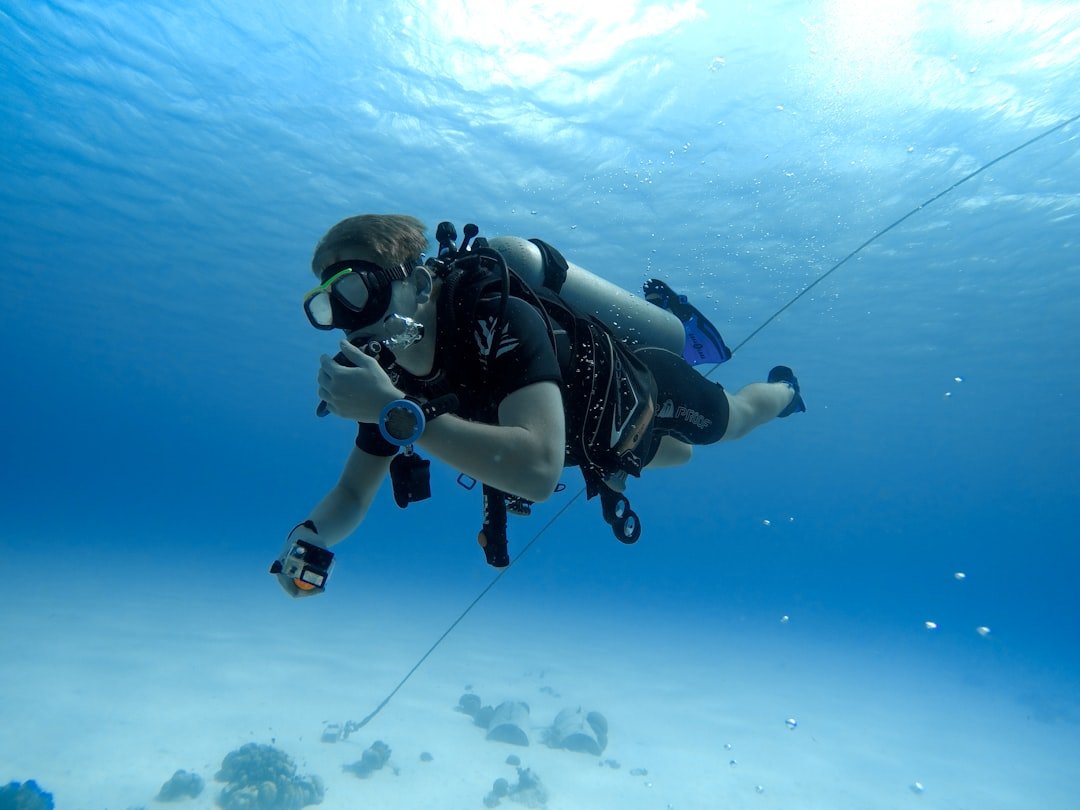
The best BCD for beginner divers isn’t the most expensive one or the one with the most pockets. It’s the one that fits your body without squeezing, inflates and deflates smoothly, and lets you focus on breathing underwater instead of fighting with your equipment. Comfort, fit, and easy adjustability matter far more than tech features when you’re learning to dive. We’ll show you exactly what to look for and help you avoid the gear that most beginners end up abandoning.
What Makes the Best BCD for Beginner Divers Different
A BCD’s job is simple: hold your tank, let you control buoyancy, and stay comfortable for the entire dive. But here’s where most people don’t realize the real divide. Beginners and advanced divers need completely different things. Beginners need straightforward inflation, predictable buoyancy response, and a harness that doesn’t dig into their shoulders after 40 minutes. Most advanced divers want weight integration, streamlined profiles, and customization options that mean nothing to someone on their first certification course.
You’d think a “versatile” BCD works for everyone—it usually doesn’t.
The best BCD for beginner divers emphasizes intuitive controls. Dump valves should respond quickly when you’re learning to manage air volume. The wing or bladder should expand evenly so you’re not fighting uneven buoyancy. Trim pockets and attachment points should be absent or minimal because beginners don’t need them yet. Honestly, fewer options mean fewer mistakes underwater.
| Feature | Beginner Priority | Advanced Priority | Why It Matters |
|---|---|---|---|
| Inflation Response | Smooth and predictable | Variable and sensitive | Beginners need to build confidence |
| Weight Integration | Separate weight belt | Built-in pockets | Simpler release mechanism for newer divers |
| Harness Padding | Extra comfort cushioning | Minimal padding for streamline | Long dives without shoulder fatigue |
| Dump Valves | One or two, obvious locations | Multiple strategic positions | Fewer options reduce adjustment confusion |
Comfort, Fit, and Easy Adjustability: The Real Checklist
Before you spend money on any BCD, use this checklist to evaluate whether it actually works for your body and diving style.
- Put it on without your tank and move your arms in full circles—no pinching or restriction across the chest
- Check that the shoulder straps sit flat against your collarbones without riding up your neck
- Inflate the bladder 50 percent full and look for even expansion across both sides
- Press the dump valve with your thumb—it should depress smoothly without requiring excessive force or multiple attempts
- Have someone help you tighten the waist belt while you’re standing; it should feel snug but not cutting off your breathing
- Verify that all adjustment straps can be reached and loosened with gloved hands, not just bare fingers
- Test the inflator button mechanism at least five times to confirm it doesn’t stick or require excessive pressure
How to Choose the Best BCD for Beginner Divers: Step by Step
Your choice depends on your body type, local dive conditions, and how much money you want to invest right now. Here’s the real process.
Step 1: Assess Your Diving Condition
Determine whether you’ll dive primarily in warm tropical water, cold water requiring thick wetsuits, or a mix of both. Cold-water diving means you’ll wear 7mm or thicker wetsuits, which changes your buoyancy calculations and the amount of lift you need from your BCD. Warm-water diving with a thin rashguard is completely different. Your location determines whether you need a jacket-style BCD, a back-inflate wing, or a hybrid design.
Step 2: Identify Your Audience—Yourself and Your Dive Partners
Are you diving solo with a shop, or joining friends who already own gear? If friends have strong recommendations about their BCDs, try theirs before buying. This is the part that actually matters for compatibility. You might prefer something different, but peer experience teaches you what actually works in local water. Most shops will let you demo equipment for a dive or two.
Step 3: Apply the Method—Rent Before You Buy
Rent the best BCD for beginner divers that interests you on at least three separate dives before purchasing. Rental gear shows you what features you actually use versus what’s just marketing. You’ll discover whether you prefer valve placement on the left or right, whether you want pockets at all, and whether shoulder strap padding really makes a difference for your body. This is where most divers give up—they buy immediately and hate the choice within two weeks.
Step 4: Follow These Specific Steps to Make Your Decision
- Visit three local dive shops and try on the same BCD model in your size without any tank attached
- Rent two different styles on consecutive dives and keep notes on how each felt during descent, at depth, and during ascent
- Ask your dive master which BCDs they see beginners actually prefer six months into their diving journey
- Compare the prices you find at various retailers and verify that the model you’re interested in includes a warranty covering manufacturing defects
- Make your purchase decision based on fit first, then features, then price—in that exact order
Step 5: Watch for These Warnings Before Purchase
Avoid any BCD marketed as “perfect for everyone from beginner to tec diving.” That claim is a red flag. Avoid models where the inflator button is difficult to locate by touch alone. Don’t buy from retailers that won’t accept returns within 30 days if the fit doesn’t work. If the BCD requires three instructional videos to understand how to operate it, that’s a sign the design prioritizes features over usability for beginners.
Why Fit Beats Features for the Best BCD for Beginner Divers
I’ve been diving with beginner students who owned expensive, feature-rich BCDs that felt terrible. They focused on learning buoyancy control instead of adjusting their gear. Every dive became frustrating. Within months, they stopped diving because the equipment never felt right. Simultaneously, I’ve seen newer divers with simple, properly-fitted BCDs progress quickly and actually enjoy their experience.
The difference? Fit.
When your best BCD for beginner divers actually matches your torso length and shoulder width, you can ignore your equipment entirely. That’s the goal. Your brain should process only water temperature, depth, and your air supply—not whether straps are riding up or bladder sections are inflating unevenly. Most divers don’t realize that a $200 properly-fitted BCD beats a $600 poorly-fitted one every single time.
My Picks for This
- Scubapro Hydros Pro—offers excellent harness comfort and predictable buoyancy response that doesn’t surprise new divers mid-dive
- Mares Pure Instinct—delivers straightforward controls and shoulder padding that makes longer dives comfortable without unnecessary bulk
- Cressi Calibro—provides a balanced design with intuitive dump valve placement and clean aesthetics that won’t distract from learning
- Apeks Axiom—combines easy adjustability with reliable inflation mechanics that respond consistently across different water temperatures
- Hollis Core—emphasizes simplicity and comfort with a modest price point that doesn’t punish beginners for choosing wrong
Frequently Asked Questions (FAQ)
Q1. What’s the actual price range for the best BCD for beginner divers?
Entry-level models range from approximately 200 to 500 units of currency depending on your region and retailer. Mid-range beginner-focused BCDs typically fall between 400 and 700. Above 800, you’re usually paying for advanced features or brand prestige rather than beginner-specific benefits. Always check current pricing directly with retailers since prices fluctuate seasonally and by location.
Q2. Is a jacket-style BCD better than a back-inflate wing for beginners?
Jacket BCDs are more intuitive initially because they wrap around your torso like a vest. Back-inflate wings have a steeper learning curve but offer better buoyancy control once you understand how they work. For pure beginners, jacket-style or hybrid designs feel more familiar. Try both styles before committing to either.
Q3. Can I use an advanced diver’s BCD while I’m learning?
Technically yes, but it’s frustrating. Advanced BCDs optimize for features you don’t need yet and often sacrifice the padding and simplicity that actually matter during early training. You’ll spend mental energy managing unnecessary complexity instead of building confidence. Use a beginner-focused BCD during your first 25 dives minimum.
Q4. How do I know if a BCD fits correctly without a tank attached?
The shoulder straps should sit comfortably without pressure on your collarbones. The back panel should contact your back evenly. Waist straps should tighten around your natural waist, not dig into your hips. Move your arms in circles and bend forward—no binding should occur. If something feels wrong while standing still on land, it’ll be worse underwater with 30 pounds of tank weight.
Q5. Should I buy the best BCD for beginner divers used or new?
New gives you warranty coverage and confidence that seals and mechanisms haven’t been stressed. Used gear costs less but might have unknown history. If you find a gently-used model from a friend or reputable shop with clear maintenance records, that works. Never buy used without inspecting all seals, valves, and bladder integrity personally or having a shop verify condition first.
Q6. What maintenance does a beginner’s BCD need?
Rinse with fresh water after every saltwater dive. Store it partially inflated in a cool, dark place. Every six months, inspect the inflator button and dump valves for stiffness or corrosion. Most beginners don’t realize that a few minutes of maintenance extends BCD life by years. Professional servicing should happen annually if you dive regularly.
Related posts
This post is for informational purposes only and does not constitute professional diving instruction, medical advice, or travel guidance. Scuba diving involves inherent risks — always train with a certified instructor and consult a physician before diving. Prices, product specs, dive site conditions, operator schedules, and entry requirements are subject to change without notice. Always verify current details directly with manufacturers, retailers, dive operators, and local authorities. This site may contain affiliate links — purchases made through our links may earn us a commission at no extra cost to you.