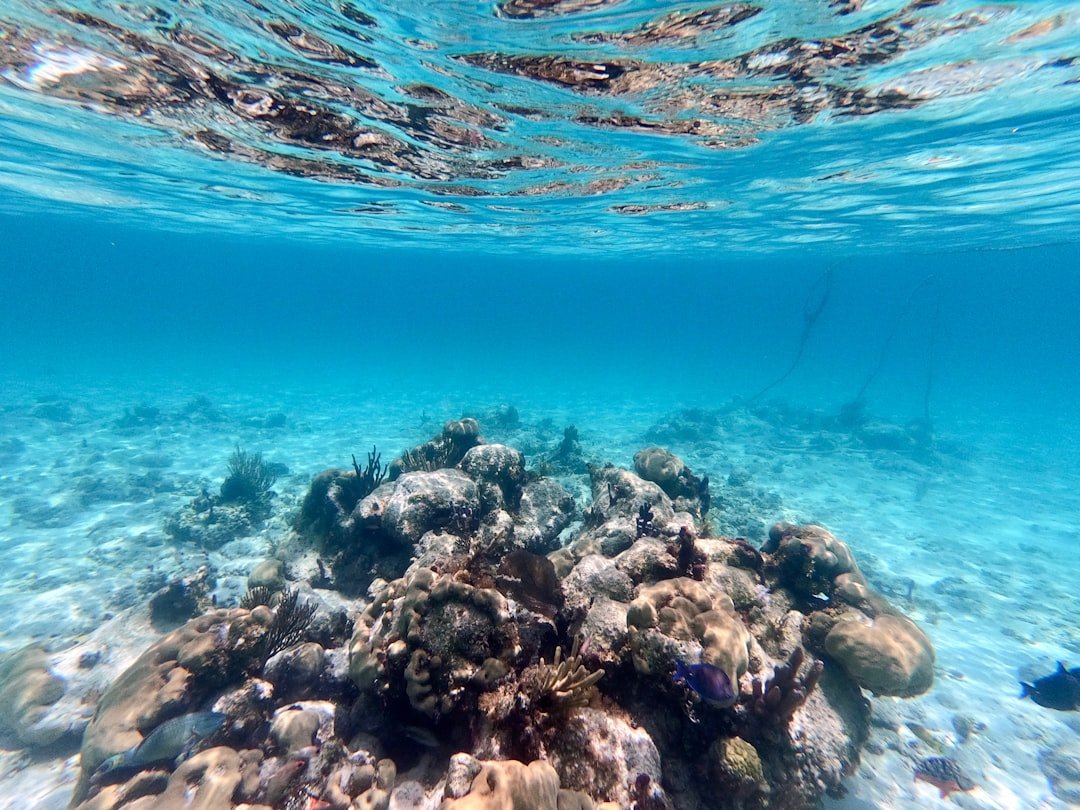
Start by choosing a dive operator that offers a guided house-reef orientation at a sheltered, sandy-entry site, then book that session before planning independent dives. That is the fastest way to turn a search for the best shore diving in Caribbean into a safe first day underwater, because local staff can show you the entry, exit, compass route, current pattern, and any boat traffic before you carry cylinders across the beach. Start shallow.
For most newly certified divers, Bonaire is the strongest overall answer because shore access is built into the island’s diving culture and many sites are easy to reach by rental truck. Curaçao is a close second if you prefer sandy bays, beach facilities, and less rocky walking. Grand Cayman and Barbados have good beginner options too, although access and sea state need more careful site-by-site checking. Conditions decide everything.
Best shore diving in Caribbean for beginner divers
The best destination is rarely the island with the deepest wall or the most famous wreck. It is the place where you can make a simple, low-stress entry, descend gradually, stay within the depth and conditions covered by your training, and return to a clear landmark without fighting surf or current. That matters more.
Look for a protected bay, a sandy or gently sloping entry, rental facilities nearby, and an operator willing to give a proper shore briefing. A briefing should cover the route, maximum planned depth, exit point, current direction, emergency procedure, local marine rules, and what to do if you become separated from your buddy. Ask directly.
A good beginner shore dive also has something useful to see in the first few metres: patch reef, seagrass, a small wreck, or coral heads. If the interesting reef begins after a long surface swim through chop, it may be a poor choice for an early shore dive even if the underwater scenery is excellent. Easy is good.
Bonaire for self-reliant shore diving
Bonaire is often the first name that comes up for Caribbean shore diving because much of the coastline has marked roadside sites, straightforward logistics, and a long history of divers driving themselves to the water. Many resorts and dive operators also have house reefs, which are a far better starting point than choosing a remote site from a map on arrival. Begin there.
The main appeal for beginners is repetition. You can dive a house reef or protected beach entry more than once, improve your weighting and buoyancy, then use the same navigation plan on the next dive while the site still feels familiar. That kind of gradual progression is hard to get when every dive requires a boat ride to a new location.
Bonaire is not universally easy, though. Many entries have loose coral rubble, uneven limestone, or sharp rock at the waterline, so sturdy dive boots are much more useful than thin tropical socks. Some famous sites have stronger current, deeper profiles, surf exposure, or long walks, and a yellow roadside marker does not mean the site suits every diver. Check first.
For a first Bonaire shore dive, ask an operator about its house reef or a calm, sandy entry where the reef begins in shallow water. Te Amo Beach is often discussed as an accessible shallower area, while several resort house reefs give you clearer entry support and easier post-dive logistics. Access arrangements can change. Confirm the current rules, marine-park requirements, parking, and permitted entry point with a local operator before you go.
I would avoid making a first-day plan around deeper wrecks or sites known for a rough entry simply because they appear on every island dive list. A beginner gets more out of sixty relaxed minutes at a shallow reef than a stressful attempt at a landmark site with poor trim, a leaking mask, and an uncertain exit. Keep the goal modest.
Curaçao for beach entries and facilities
Curaçao is an excellent alternative when a sandy beach entry is your top priority. Several west-coast bays have calmer water than the more exposed shore, and beach clubs or dive centres may provide parking, rinse areas, toilets, food, and cylinder handling close to the water. That reduces the hard work.
Playa Porto Mari and Cas Abao are commonly considered by visiting divers because they have beach access and reefs reached from shore, although entry fees, opening hours, and rental arrangements should be checked directly. The reef may still begin after a surface swim, so ask how far you need to travel before descending and whether the usual route has current. Get specifics.
The Tugboat area is another well-known Curaçao option, with a small wreck in relatively shallow water. It can be appealing for new divers, but it sits near a developed bay where local knowledge matters, particularly for entry choice, surface traffic, and the route back. A guided first visit is sensible.
Curaçao works especially well for divers who want one planned morning dive, a long surface interval in the shade, and a second shallow dive later if conditions remain calm. Do not force the second dive. Wind can build during the day, and a site that felt gentle at 8 a.m. may have enough chop by afternoon to make the exit tiring.
Grand Cayman and Barbados options
Grand Cayman has easy holiday logistics and several operator-supported shore sites, but its ironshore coast means that many entries involve ladders, steps, or uneven rock rather than soft sand. Eden Rock and some resort house reefs are often used for shore diving, yet the exact access route, depth progression, and current conditions deserve a local briefing. Watch your footing.
For a beginner, Grand Cayman makes the most sense when you stay near a dive centre that can handle cylinders, weights, site orientation, and emergency support. A short walk with fully assembled gear is manageable. A long carry over jagged rock in heat is a different proposition, especially when you still need energy for the exit after the dive.
Barbados has useful beginner possibilities around sheltered bays, including areas near Carlisle Bay where shallow water and wreck sites can be accessible under suitable conditions. Some wrecks are reached more easily by boat, and visibility or boat traffic can affect the plan, so ask whether a shore route is appropriate on the day. Local conditions win.
Neither island is a poor choice. They simply reward a more operator-led approach than a first-time visitor might need in Bonaire, where self-guided shore routines are more common. If you are newly certified, that extra support is a benefit rather than a limitation.
How to plan your first shore dives
Build your trip around easy sites first, then add ambition only after you have seen the water. This simple sequence keeps a destination holiday from becoming a rushed skills test.
- Book a local orientation. Ask for a sheltered site with a clear entry and an easy navigation route. Make this your first dive.
- Do one conservative checkout dive. Descend in shallow water, check weighting, confirm hand signals, and test that both buddies can find the exit landmark. Take your time.
- Assess the exit before the second dive. Look at wave height, footing, wind direction, and your air consumption from the first dive. Turn the day into one dive if any part feels tiring.
- Repeat a familiar site. A second dive at the same house reef lets you focus on buoyancy and navigation instead of learning a new entry. Familiar water helps.
- Save challenging sites for later. Stronger currents, deep wrecks, walls, night dives, and long swims should wait until you are comfortable with the local conditions. There is no rush.
Bring proper boots, a mask you have already tested, a surface signalling device appropriate to local practice, drinking water, sun protection, and a dry bag for keys and paperwork. A compass is useful only if you know how to use it underwater. If your navigation skills feel rusty, ask for a refresher with a certified instructor rather than trying to relearn them during an unfamiliar dive.
Do not treat a shore site as easier simply because there is no boat. Entries can involve waves, unstable rock, boat lanes, overhead sun, and a long walk back with a cylinder. Plan enough gas and energy for the return route, stay with your buddy, and end the dive early if either diver is cold, uncomfortable, low on gas, or uncertain of position. Ending early is normal.
For travel timing, check the local weather forecast and ask the operator which coast is protected by the day’s wind. Hurricane season affects much of the Caribbean from roughly June through November, but a calm forecast can still produce a poor entry at one beach while another coast remains suitable. Choose the site that morning.
Frequently asked questions
Do beginner divers need a guide for Caribbean shore diving?
A guide is not always required by local rules, but a guided orientation is strongly recommended for your first dive at any unfamiliar shore site. The guide or operator can identify the safe route, expected conditions, local hazards, and practical exit plan in a way an online site description cannot. Use local knowledge.
If you plan independent dives afterward, repeat the same easy site first and write down the route, bearing, planned turn pressure, and landmarks while the briefing is fresh. Certified training remains the right place to build navigation, surf-entry, and rescue skills. A holiday dive is not training.
Is Bonaire or Curaçao better for a newly certified diver?
Choose Bonaire if you want frequent shore dives, a house reef routine, and the freedom to build confidence through repeat dives. Choose Curaçao if a sandy bay, beach facilities, and a more relaxed walk into the water matter more to you. Both can have rough or current-prone sites. Pick the individual site carefully.
The better choice also depends on where you stay. A resort with an easy house reef and attentive dive staff can be more useful than staying near a famous public site that requires a long gear carry or has difficult access. Convenience improves decision-making.
What makes a shore entry unsuitable for beginners?
Skip entries with breaking surf, a slippery rock shelf, strong sideways current, poor visibility at the surface, boat traffic you cannot avoid, or an exit that requires precise timing between waves. One warning sign is enough. Find another site.
You should also reconsider a plan when your buddy has not shore dived recently, your rental gear is unfamiliar, or the route requires more navigation than either of you can comfortably manage. Ask an operator for an easier alternative, or take a guided dive. That is a sound call.
Can I rent tanks and dive independently?
Many Caribbean operators rent cylinders and weights to qualified divers, but their policies, required paperwork, orientation rules, and hours differ. Verify what is included before arrival, including whether you need a checkout dive, a guided first dive, proof of certification, or a reservation for cylinders. Do not assume.
Rental access does not make a site appropriate for a beginner pair. Make your decision based on the day’s conditions, your recent experience, and whether you can execute the dive plan without exceeding the limits of your training. When in doubt, hire a guide.
Related posts
This article is for general informational purposes only and is not dive training or medical advice. Always train with a certified instructor and consult a doctor before diving if you have any health concerns. Gear specs, pricing, site conditions, and operator schedules change, so verify current details directly with the manufacturer or dive operator.
Disclosure: This post may contain affiliate links. If you click through and make a purchase, we may earn a commission at no extra cost to you. We only recommend gear we’ve researched or genuinely believe in.