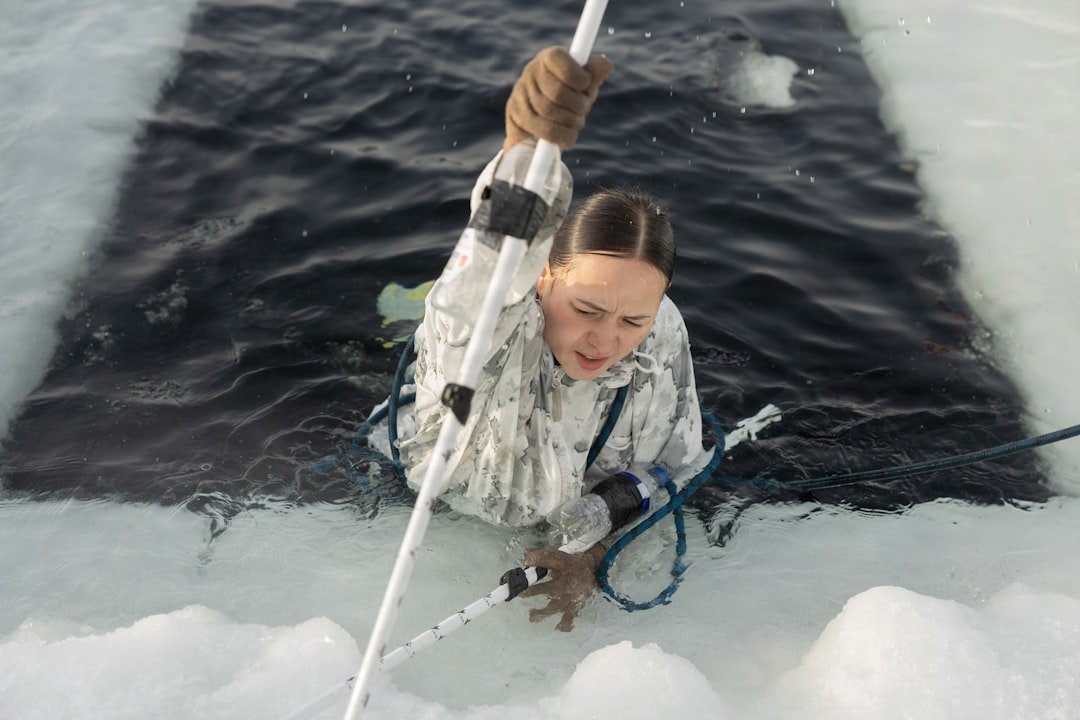
A common misconception about drysuit vs wetsuit diving is that a drysuit keeps you warm simply because it stays dry. It does not. A drysuit mainly keeps water off your skin, while the insulation underneath does the warming work. For most recreational divers planning regular dives in water around 60°F/16°C or colder, a drysuit is the clear recommendation. It is more comfortable over repeated dives, gives you more control over warmth, and reduces the post-dive chill that can end a good day early.
A wetsuit still has a real place. It is usually the better choice for water roughly 65 to 75°F/18 to 24°C, especially for one short dive, warm-weather travel, or divers who do not expect frequent cold-water diving. The exact cutoff changes with your metabolism, suit fit, wind exposure, dive duration, workload, and whether you are making a second dive. Cold tolerance varies a lot. Do not use a temperature number as permission to push through shivering.
Drysuit vs wetsuit diving in cold water
The basic difference is simple. A wetsuit lets a thin layer of water enter, then your body warms that water. Neoprene slows heat loss, but it also compresses as you descend. Compressed neoprene insulates less. A drysuit uses wrist and neck seals, plus a waterproof zipper, to keep the water out. You wear insulating layers under it, usually fleece, synthetic loft insulation, or wool-based garments made for diving.
That system matters once the water gets cold. With a drysuit, you can change your undergarments for a 45°F/7°C quarry dive, a 55°F/13°C wreck dive, or a milder coastal day without buying a different suit each time. With a wetsuit, the neoprene thickness is fixed. A 7 mm suit can be workable for some divers in cool water, but it is still a compromise when dives run long or surface intervals are windy.
The strongest argument for a drysuit is not comfort during the first ten minutes. Most decent exposure suits feel acceptable at the start. The difference shows later, after you have been still taking photos, waiting at a safety stop, or climbing back aboard with wet gloves and a breeze hitting you. Staying warmer helps you stay focused on buoyancy, navigation, and your buddy. It does not make cold-water diving risk-free, and it does not replace a conservative dive plan.
| Factor | Drysuit | Wetsuit |
|---|---|---|
| Best common use | Regular dives in cold water, long dives, repeated dives, cold surface conditions | Warm to cool water, shorter dives, occasional use, travel |
| Warmth adjustment | High, through undergarment choices | Limited to neoprene thickness and layering |
| Buoyancy changes with depth | Usually less suit compression than thick neoprene, though undergarments still compress | More noticeable with thick neoprene, especially 7 mm suits |
| Training need | Dedicated drysuit training is strongly recommended before open-water use | Standard exposure-protection skills, with practice for thicker suits |
| Upfront cost | Higher, plus undergarments and possible maintenance | Lower in most cases |
| Travel convenience | Bulkier system and more gear to manage | Often simpler, though thick neoprene is still heavy when wet |
| Failure consequences | A leaking seal or zipper can create a cold, distracting dive | Water entry is expected, so fit and neoprene condition matter most |
Why the drysuit is the better cold-water choice
A drysuit gives you a modular insulation system. That is the practical advantage that makes the higher cost make sense for frequent cold-water divers. On a relatively mild day, a thinner base layer and moderate undergarment may be enough. On a colder day, you add insulation without changing the outer suit. This also makes it easier to account for your own comfort level. A diver who runs cold may need substantially more insulation than a buddy in the same water.
Drysuits also make surface intervals easier. You may still get damp from sweat, rain, or minor leakage, but you are not sitting in a fully soaked 7 mm suit between dives. That is a big quality-of-life difference on boats, in exposed parking lots, and during winter shore diving. If you have ever cut a second dive because you could not get warm again, this point will land immediately.
Buoyancy can be easier to manage over a range of depths once you develop the proper skills. Thick neoprene loses volume as pressure increases, so a 7 mm wetsuit often needs more adjustment during descent and ascent than a thin wetsuit. A drysuit also changes volume, and trapped gas must be managed carefully through the suit inflator and exhaust valve. It is not automatically easier. It becomes predictable with proper setup, correct weighting, and focused practice.
A drysuit can also extend a local dive season. That may matter more than any technical comparison. If your nearest lake, quarry, coastline, or wreck site is cold for much of the year, a drysuit can turn a few comfortable months into a much longer practical season. It makes little sense to buy one only because it looks more serious. Buy it because you will use it enough to justify the cost, training, storage, and maintenance.
Where a wetsuit still wins
A wetsuit wins when the water is cool rather than truly cold, and when simplicity has value. A well-fitting 5 mm or 7 mm suit, paired with an appropriate hood and gloves, can work well for many recreational dives in moderate conditions. The suit is quick to understand, generally less expensive to buy, and less intimidating for a diver who is still building experience.
It is also often the better travel choice. Drysuits take up room, need careful packing around the zipper and seals, and require you to bring suitable undergarments. A thick wetsuit is not exactly light luggage, but it is simpler. For a one-week trip where the water is around 70°F/21°C and dives are relaxed reef profiles, a wetsuit may be all you need.
A wetsuit can be a sensible budget decision when cold-water diving is occasional. The full drysuit setup includes the suit, insulating garments, suitable gloves, boots if they are not integrated, a hood, zipper lubricant or wax where specified by the manufacturer, seal-care supplies, and periodic service. Prices vary by region, materials, and suit style, but the total is commonly far beyond the cost of a quality thick wetsuit package. Renting a drysuit through a reputable shop can be a useful way to test the idea before buying, provided you receive proper orientation and training.
There is one more case for wetsuits: very active dives in water that is cold enough to feel brisk but not cold enough to require heavy insulation. Some divers prefer the snug, simple feel of neoprene while swimming hard in moderate temperatures. That preference should not override thermal comfort. If you are cold at the end of dives, need excessive recovery time between them, or regularly skip a final dive, the wetsuit is no longer doing its job for your conditions.
Fit matters more than suit labels
The best drysuit or wetsuit on paper fails if it fits poorly. A wetsuit should lie close to the body without painful restriction. Gaps at the lower back, underarms, neck, or behind the knees let water flush through. That flush feels like someone poured cold water down your suit because, in effect, they did. Do a squat, reach overhead, turn your head, and mimic climbing a ladder before removing tags.
Drysuit fit is different. You need room to reach your valves, extend your arms, kick freely, bend at the waist, and wear the thickest undergarment you expect to use. Too-tight shoulders can limit valve access. Too much loose material can trap gas in awkward places and complicate buoyancy control. A suit that feels fine standing in a shop may behave differently when you are horizontal in the water, so work with a knowledgeable fitter and test it before committing if possible.
Seals deserve close attention. Latex seals are common and can create a close seal, but some divers have sensitivity concerns and they need careful handling. Neoprene and silicone options feel different and have different replacement systems. Do not trim any seal aggressively. Small cuts can make a large difference. Have a qualified person show you how to size and maintain seals, especially if you are new to drysuits.
For wetsuits, do not overlook the hood. In cold water, a good hood often changes comfort more than moving from one premium suit model to another. Gloves matter too, but they also affect dexterity. Try operating your inflator, dump valve, DSMB spool, clips, and camera controls with the gloves you plan to dive. A warm hand that cannot manage basic gear is not a complete solution.
Training and buoyancy are part of the purchase
A drysuit adds equipment skills. You need to learn how to connect and disconnect the inflator hose, check the exhaust valve, manage gas migration, recover a stable position if your feet rise, and respond to a leak or inflator problem. These skills should be learned with a certified drysuit instructor in controlled conditions, not improvised on a cold deep dive with a new suit.
Do not assume your wetsuit weights transfer directly to a drysuit. The drysuit shell, undergarments, cylinder choice, water type, and other equipment all affect weighting. Too much lead makes every buoyancy issue worse and can make your legs feel heavy on the surface. Too little lead can make a safety stop difficult as your cylinder gets lighter. Do a proper weight check with your normal cylinder, exposure setup, and near-empty cylinder pressure guidelines used by your training agency or local operator.
Many drysuit divers use their BCD as their primary buoyancy device underwater and add only enough gas to the suit to avoid squeeze and preserve insulation loft. Others use suit gas differently based on training and equipment configuration. Follow the procedure taught in your drysuit course and stay consistent. Do not adopt a technique because it looked easy in a video.
Cold water also changes task loading. Thick gloves reduce feel. Hoods can affect hearing. A chilly diver may breathe faster and lose concentration. Plan shorter first dives, leave a larger gas reserve than you would in benign conditions when appropriate to your training and local practices, and keep the first dives in a new setup shallow. A certified instructor can help you build those skills safely.
Cost, maintenance, and ownership reality
Drysuits ask more of an owner. The zipper needs the care specified by its manufacturer. Seals can tear. Valves need inspection. A small leak may be manageable on a mild dive but miserable in genuinely cold water. Rinse the suit after use, dry it inside and out, store it as the manufacturer directs, and inspect the seals and zipper before every trip. Do not wait until a remote dive weekend to discover a cracked neck seal.
Wetsuits are less demanding, but they are not maintenance-free. Rinse salt and sand away, dry the suit out of harsh direct sun, and avoid hanging it in a way that stretches the shoulders for long periods. Neoprene eventually compresses, loses resilience, and becomes less warm. A suit that used to feel fine may gradually become a cold-water liability.
When comparing costs, include the full system rather than the suit price. A drysuit purchase often needs undergarments and potentially different accessories. A wetsuit setup may need a thicker hood, gloves, boots, and perhaps more lead. Also consider how often you actually dive locally. For a diver doing monthly cold-water dives, the drysuit cost spreads across a lot of use. For someone taking one cool-water trip each year, a quality wetsuit or rental option may be more rational.
The practical recommendation
Choose a drysuit if you expect to dive regularly in water around 60°F/16°C or colder, make repeated dives in a day, spend time on exposed boats or shorelines, or tend to get cold before your buddy does. Build the budget around training, undergarments, and maintenance rather than spending every dollar on the suit shell. A basic drysuit that fits well, paired with the right insulation and good training, is more useful than an expensive suit that does not fit your diving.
Choose a wetsuit if most of your dives are in warmer conditions, your cold-water dives are short and occasional, or you need an easier, less expensive setup for travel. In those conditions, a properly fitted wetsuit with an effective hood and gloves can be the smarter tool. Do not buy a drysuit because it seems like the advanced option. Buy one when your water temperature, dive frequency, and comfort needs make it the practical option.
For cold water conditions, warmth is a safety and enjoyment issue, not a badge of toughness. End the dive when you are cold, numb, shivering, distracted, or unable to manage gear normally. If you are unsure which system fits your local conditions, talk through your planned depths, temperatures, dive times, and surface exposure with a certified instructor or experienced local dive professional before spending money or changing exposure protection.
Related posts
This article is for general informational purposes only and is not dive training or medical advice. Always train with a certified instructor and consult a doctor before diving if you have any health concerns. Gear specs, pricing, site conditions, and operator schedules change, so verify current details directly with the manufacturer or dive operator.
Disclosure: This post may contain affiliate links. If you click through and make a purchase, we may earn a commission at no extra cost to you. We only recommend gear we’ve researched or genuinely believe in.