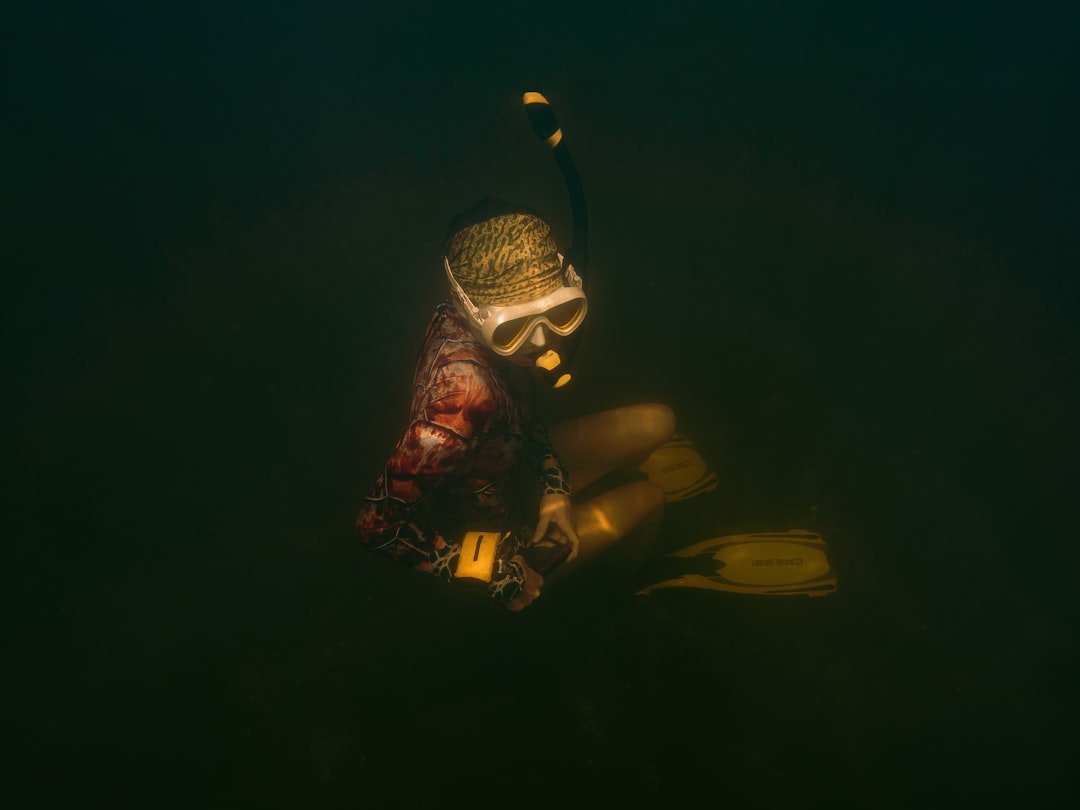
A common misconception is that the best muck diving destinations world list is only for critter obsessives who do not care about attractive dives. That is misleading. The best muck diving destinations world sites can produce some of the most distinctive underwater photographs available to recreational divers, but success depends far more on patient searching, careful buoyancy, and a guide who knows tiny subjects than on clear blue water or dramatic reef scenery.
Muck diving usually takes place on dark sand, volcanic sediment, rubble, seagrass, discarded natural debris, or gently sloping bays near shore. Yet these disturbed-looking habitats give camouflage specialists somewhere to hide, including frogfish, octopus, cuttlefish, shrimp, nudibranchs, scorpionfish, and unusual gobies that may never appear on a classic coral-wall dive. The background is often dark or neutral, which can make a carefully lit subject separate beautifully in a photograph.
What makes a muck destination work for photographers
The strongest destinations have more than a long animal checklist. Look for a collection of shallow sites, calm entry options, guides who search slowly, and dive plans that allow enough bottom time to wait for behavior rather than racing through a route. Depth matters. Many useful subjects live between roughly 5 and 20 metres, although conditions and local rules determine the actual profile, and staying shallower can extend a no-decompression dive when you are shooting deliberately.
Visibility is often modest, commonly because fine sediment hangs in the water after rain, current, boat traffic, or an inexperienced fin kick. That is normal. A good muck site has enough workable visibility to find subjects and focus a camera, while its bottom is stable enough that divers can hover without creating a cloud of silt. Ask an operator how they manage diver spacing, whether guides use pointers only for indication rather than handling animals, and how often conditions cancel a site.
Photography also changes what “best” means. A macro shooter may prefer a black-sand slope with fifteen metres of visibility and excellent guides over a reef with thirty metres of visibility but few small animals. A wide-angle photographer needs a different plan. Muck can still work with a close-focus wide-angle lens, a cooperative cuttlefish, or a frogfish on a textured sponge, though macro equipment and restrained strobe lighting are the more dependable choices.
Best muck diving destinations world photographers should consider
Lembeh Strait, Indonesia
Lembeh Strait is the destination many divers picture when they hear “muck diving.” It has dark volcanic slopes, sheltered bays, rubble patches, and a deep local guiding culture built around finding small, cryptic marine life. This is a particularly strong choice for photographers who want repeated macro dives and are happy to spend a full dive studying one patch of seafloor rather than covering a large reef.
Commonly sought subjects include mimic octopus, hairy frogfish, flamboyant cuttlefish, pygmy cuttlefish, unusual shrimp, and many nudibranch species, although no animal can be promised on a particular dive. Sites can vary sharply in current, surge, and visibility. Book an itinerary with enough days to revisit productive areas, and ask whether your dive plan permits long shallow afternoon dives when small animals are often easier to photograph.
Anilao, Philippines
Anilao is a practical macro destination because many sites are reached by short boat ride and the area has a wide mix of sand slopes, rubble, reefs, and artificial structures. It is busy. The variety makes it useful for a photographer who wants nudibranchs, crustaceans, frogfish, octopus, and reef details without committing every dive to open sand.
Many photographers plan Anilao around macro, yet a second lens can be worthwhile if conditions are clear and a site has healthy reef structure. Local guides often know individual animals well, but good etiquette still applies: do not ask anyone to move, fan, prod, or repeatedly reposition a subject. A strong image is never worth stressing an animal or damaging the bottom around it.
Dauin, Philippines
Dauin combines easy shore diving with volcanic sand and rubble habitat, often making it an efficient choice for photographers who want to adjust a camera setup between dives. Divers can often make a slower schedule than on a boat-only trip, with time to review images, change ports, or return to a productive area after a surface interval.
Its marine life can include frogfish, ghost pipefish, seahorses, cephalopods, and small crustaceans, with specific sightings changing by season and site. Some dives have artificial objects or planted structures that attract life, but they should not distract from basic buoyancy control. Maintain clearance above the bottom, secure dangling hoses, and keep fins still when you settle for a shot.
Ambon, Indonesia
Ambon has a reputation for unusual subjects and can reward photographers who already enjoy the slower rhythm of Lembeh-style diving. The bay and nearby areas include sediment slopes and protected water where rare-looking fish and highly camouflaged animals can turn up, though the visual appeal is often about the subject rather than the landscape.
Travel logistics, seasonal weather, and local site access can affect an Ambon trip more than they might at a larger resort area. Check current flight connections and operator schedules directly before committing. It is sensible to build in spare travel time, particularly when carrying a housing, strobes, spare batteries, and other camera equipment that would be difficult to replace locally.
Tulamben and Seraya, Bali, Indonesia
Tulamben and nearby Seraya have black-sand slopes with accessible macro opportunities, while the wider area also gives divers reef and wreck options. A mixed itinerary can prevent macro fatigue, especially for a travel partner who wants broader scenery or a wreck dive alongside close-up photography.
The USAT Liberty wreck can draw crowds and requires a different photographic approach than a sandy critter slope. For muck work, schedule the quieter black-sand dives at a time when you can move carefully and avoid another group’s sediment trail. Local conditions decide whether shore entries are comfortable, so ask about waves and entry assistance rather than assuming every site is easy.
How to choose the right trip
Start with your camera system and your actual experience. A compact camera with a wet macro lens can be excellent for nudibranchs and small fish, while an interchangeable-lens setup gives more control but demands more attention to focus, buoyancy, and strobe position. If you have not used a housing recently, make local practice dives before an expensive trip rather than learning every control while a guide waits.
- Pick your primary subject, such as nudibranchs, octopus, frogfish, or shrimp.
- Choose a destination with several suitable sites, not one famous sighting.
- Ask how many divers share each guide and whether private guiding is available.
- Check typical entry style, water temperature, current, and visibility for your travel dates.
- Plan enough days for weather changes, repeat dives, and camera problems.
A useful threshold is to book at least four or five diving days if photography is the main reason for the trip, because one missed day or a poor-visibility day should not decide the whole result. Prices vary by region, season, accommodation level, guide ratio, park fees, rental gear, and whether you need a private guide, so compare the complete package rather than the advertised nightly rate.
Camera and dive habits that matter
For conventional macro, get close enough that the subject fills a meaningful part of the frame before increasing strobe power. Two low-powered strobes angled outward often reduce backscatter better than blasting light straight ahead, but exact settings depend on distance, visibility, subject texture, and your camera system.
Take one test frame first. If you see a snowstorm of bright particles, move your strobes farther from the lens axis, lower output, get closer if safe, and check that you are not stirring the bottom. Never brace against coral, rubble, or marine life for stability. If your trim and hover are not dependable, work with a certified instructor before making photography the priority.
Do not chase rare animals around a site. A guide may point out a subject, but the animal chooses whether it stays visible, and crowding can change its behavior or force it into cover. One diver photographs while others wait well back, then rotate only if there is space and the guide agrees.
FAQ
Is muck diving suitable for a newly certified diver?
It can be, provided the operator selects calm, shallow conditions that match your training and comfort. New divers should tell the operator honestly about recent dive experience, skip a camera at first if it divides attention, and ask a certified instructor for help building trim and fin control.
What lens is best for muck diving?
A macro lens is usually the most direct choice for dedicated muck trips because many subjects are small and close to the bottom. A wet macro accessory on a compact setup can also deliver detailed images, while a wider lens makes sense only when you have a large subject, a clean background, and very close working distance.
Do I need a private guide?
No, but a private guide can make a meaningful difference when you have specific subjects, need a slower pace, or want more time composing images. Shared guides can still work well when the group is small, experienced, and respectful of turns around a subject.
When is the best season for muck diving?
There is no universal season because Indonesia and the Philippines have local rain patterns, wind exposure, currents, and changing site access. Ask operators about the conditions at the specific sites you want to dive during your exact travel month, rather than relying on a broad country-wide weather chart.
Can I use gloves on a muck dive?
Local rules and operator policy should decide that question, but gloves can encourage divers to touch bottom or animals when they should be hovering. If exposure protection is needed for temperature or local hazards, follow the site rules and use the least intrusive option permitted.
Related posts
This article is for general informational purposes only and is not dive training or medical advice. Always train with a certified instructor and consult a doctor before diving if you have any health concerns. Gear specs, pricing, site conditions, and operator schedules change, so verify current details directly with the manufacturer or dive operator.
Disclosure: This post may contain affiliate links. If you click through and make a purchase, we may earn a commission at no extra cost to you. We only recommend gear we’ve researched or genuinely believe in.