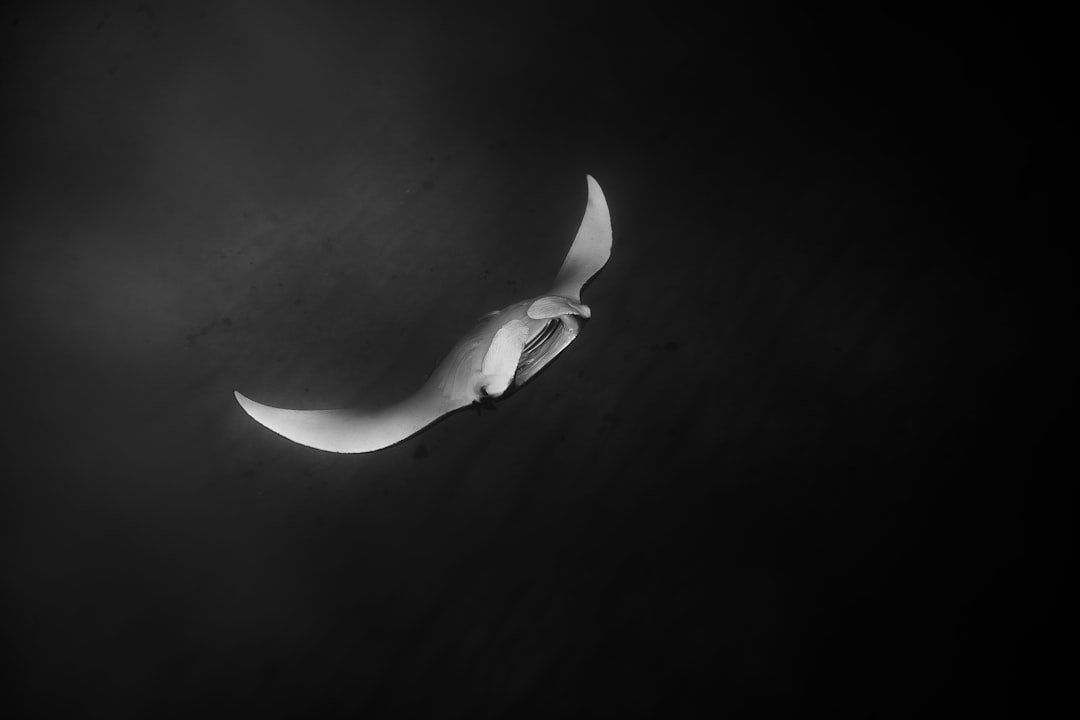
The best diving destinations for manta rays include the Maldives, Indonesia, Hawaii, Yap, Mozambique, Socorro, and Australia’s Ningaloo Reef. The best diving destinations for manta rays depend on the species you hope to see, your comfort in current, and whether you prefer shore-based diving or a liveaboard. There is no guaranteed encounter. A good manta trip puts you at a known cleaning station, feeding area, or seasonal aggregation site when local conditions are favorable.
Reef mantas are the more common target for recreational divers because they gather at predictable sites in several tropical regions. Giant oceanic mantas are larger and often more wide-ranging. They can be less predictable. Both deserve the same approach: stay calm, hold position, keep clear of cleaning stations, and let the animal choose its distance.
Best diving destinations for manta rays by trip style
Maldives
The Maldives is a strong choice for divers who want warm water, established resort options, and a realistic chance of repeated reef manta encounters during the right seasonal window. The country’s atolls have cleaning stations and channels where plankton-rich water can draw mantas, while some areas also have night dives that use lights to attract plankton. Conditions change quickly. Check which atoll is productive during your travel month rather than booking solely around a famous site name.
Many Maldives manta dives involve current, particularly in channels where incoming or outgoing water concentrates food. A diver who is comfortable with negative entries, reef hooks where locally permitted and taught, and careful buoyancy near coral will get more out of the trip than someone expecting flat-water resort dives every day. Reef hooks are prohibited at some sites, so confirm local rules. Keep your distance. Your guide should set the site-specific rules, especially around feeding behavior.
Raja Ampat and Komodo in Indonesia
Indonesia offers two distinct manta experiences. Raja Ampat is often chosen for cleaning stations around shallow reefs, where patient divers may settle in a sandy observation area and watch mantas circle overhead. Komodo can offer both cleaning-station dives and current-driven sites where mantas pass through while feeding. Current is part of the deal. These are rewarding places for divers who already have solid buoyancy control and can follow a guide’s timing closely.
Raja Ampat usually suits divers who want a slower reef-based manta observation dive alongside rich coral and fish life. Komodo can feel more dynamic, with stronger flow and sometimes cooler water caused by upwelling. Bring exposure protection that fits the local season. A 3 mm suit may suit one itinerary, while another diver on a different route may prefer 5 mm or added layers.
Hawaii
Hawaii is best known for night manta dives, particularly on the Kona coast of the Big Island, where operators visit established sites after dark and position lights to attract plankton. The scene is unusual. Divers commonly kneel or lie in a designated sandy area while mantas sweep overhead, sometimes passing very close without being touched.
This can be a practical option for a shorter US-based trip because shore accommodation and day-boat logistics are straightforward compared with remote liveaboard routes. Sea conditions still matter. Ask the operator about entry method, bottom depth, surface conditions, water temperature, and whether you need recent night-diving experience before reserving a place.
Yap
Yap in Micronesia is a classic destination for reef manta encounters at cleaning stations, with sites where divers can observe mantas returning to the same general reef areas. It is a focused manta trip. The island is small, and travel logistics can take more planning than a major resort destination.
The appeal is the chance to spend unhurried time watching natural cleaning behavior rather than chasing a distant animal through open water. Good trim matters here. If you hover poorly or drift over the cleaning area, you can disrupt the encounter for everyone, including the manta.
Mozambique
Mozambique can suit experienced divers seeking large-animal diving along with the possibility of manta rays, whale sharks, and pelagic fish. The diving often takes place in open water with surf launches, deeper profiles, variable visibility, and stronger conditions than a typical sheltered reef holiday. It is not the easy option. Choose an operator that clearly explains local experience requirements and how it handles changing weather.
Manta sightings in Mozambique can be memorable, but planning a trip around any wild animal requires flexibility. Build in several dive days. If you only schedule one boat trip, weather, visibility, or a missed aggregation can decide the entire result.
Socorro
Socorro, also called the Revillagigedo Archipelago, is a remote Mexican liveaboard destination associated with giant oceanic mantas and other large marine life. It is a bucket-list style trip for divers who are already comfortable with liveaboard routines, blue-water descents, changing conditions, and longer travel days. The crossing is significant. This is generally not the first trip I would pick for a newly certified diver.
Oceanic mantas at Socorro may approach divers closely, yet the right behavior remains passive: no chasing, no reaching, and no blocking their path. A calm diver often gets the better encounter. Listen carefully during briefings because site conditions, currents, and surface chop can alter the plan quickly.
Ningaloo Reef
Ningaloo Reef in Western Australia can combine manta opportunities with a road-trip or resort-based holiday, depending on your base and the season. Some manta activity is linked to plankton blooms and local conditions, so timing matters more than simply arriving during warm weather. Ask locally. Local dive shops and tourist information centers often have the most current picture of recent sightings.
Australia can be a good fit if you prefer land-based travel and want flexibility between dives, snorkeling, and non-diving days. Do not assume every manta activity is scuba-based. Some encounters may be better suited to guided snorkeling, depending on local rules and where the animals are feeding.
How to choose a manta ray travel guide and itinerary
Start with the encounter type you actually want. If you want a structured night dive with a predictable format, Hawaii is a sensible starting point. If you want warm-water cleaning stations and a resort trip, the Maldives or Raja Ampat may fit better. If giant oceanic mantas are the priority, Socorro deserves a close look. Remote trips cost more.
- Pick your month first. Manta movements follow food, water movement, and local seasonal patterns. A destination can be excellent in one period and quiet in another.
- Match the site to your skills. Read descriptions for current, waves, negative entries, depth, and required experience. Be honest about your comfort level.
- Ask what the operator means by manta dive. Find out whether it is a cleaning station, a feeding site, a night dive, or simply an area where mantas are sometimes seen.
- Allow spare dive days. Four or five planned dive days gives weather and animal behavior room to vary. One day is a gamble.
- Check the cancellation terms. Flights, marine park fees, liveaboard deposits, and weather policies can affect the true trip cost. Prices vary by region.
A practical budget example helps. A remote liveaboard may cost roughly US$2,500 to US$4,500 before flights, depending on the itinerary, season, cabin type, and inclusions. Add travel insurance, port or park charges, tips where customary, rental gear, overnight hotels, meals not included, and a contingency fund for delayed connections. The final figure can vary widely and be much higher. Resort trips may spread costs across accommodation and daily diving instead, which can make them easier to adjust if conditions change.
What to pack and how to behave around mantas
Bring exposure protection appropriate for the actual water temperature, not the brochure’s average. A hood or extra layer can make a long wait at a cleaning station far more comfortable. Pack a surface marker buoy if your operator requires one. Confirm local procedures before the trip.
For photography, a wide-angle setup works better than a long lens when mantas approach closely, but the camera should never become a reason to crowd the animal. Set up before entry. Once underwater, prioritize buoyancy and awareness over getting a closer frame.
- Do not touch a manta ray or its cephalic fins.
- Stay low and still at cleaning stations unless the guide directs otherwise.
- Leave a clear route for the manta to pass.
- Keep fin kicks controlled near sand and coral.
- Follow the operator’s marine-life distance rules, even when a manta comes close on its own.
Good manta etiquette is simple. Let the animal control the interaction. A manta that feels unblocked may circle back repeatedly, while a group that swims directly at it can end the encounter in seconds.
Safety and dive readiness
Manta trips can involve drift diving, boat transfers, current, darkness, remote locations, or repetitive diving across several days. Review your insurance coverage for scuba activities and evacuation before you travel. Read the policy wording. Remote destinations may have limited medical facilities and long transport times.
Do not stretch your limits because a manta appears at the edge of the site. Maintain your buddy contact, monitor gas, follow the planned depth and time, and make a normal ascent with the group. Wildlife is never a reason to skip safe procedures. If you are uncertain about night diving, currents, equalization, or fitness for a demanding itinerary, discuss it with a certified instructor or a doctor before booking.
Frequently asked questions
What is the best month to dive with manta rays?
There is no single best month worldwide because manta activity differs by location and can shift with local water conditions. Choose the destination first, then confirm its current seasonal guidance with several local operators. Verify before paying deposits. They can tell you whether the main draw is cleaning behavior, feeding activity, or night diving during your dates.
Can beginner divers see manta rays?
Yes, some manta experiences suit newer certified divers, particularly supervised resort dives with calm conditions or structured night dives that meet the operator’s requirements. Others are more demanding. Sites with strong current, blue-water entries, surf launches, or remote liveaboard schedules call for more experience and comfort in the water.
Are manta ray encounters guaranteed?
No. Mantas are wild animals, and weather, plankton, currents, visibility, and animal movement all affect sightings. Book enough days to improve your odds. Any operator promising a guaranteed wild manta encounter deserves careful questioning about what that promise actually covers.
Is a liveaboard necessary for manta rays?
No, although a liveaboard can reach remote manta sites and gives you more consecutive dives. Hawaii, parts of the Maldives, Indonesia, Yap, Mozambique, and Ningaloo all have land-based options. A resort-based plan may be easier if you want rest days or a less fixed schedule.
Should I take a camera on a manta dive?
Take one only if you can manage it without losing buoyancy, awareness, or buddy contact. Keep the setup simple. A missed photo is better than a damaged reef, a stressed animal, or a dive that exceeds your plan.
Related posts
This article is for general informational purposes only and is not dive training or medical advice. Always train with a certified instructor and consult a doctor before diving if you have any health concerns. Gear specs, pricing, site conditions, and operator schedules change, so verify current details directly with the manufacturer or dive operator.
Disclosure: This post may contain affiliate links. If you click through and make a purchase, we may earn a commission at no extra cost to you. We only recommend gear we’ve researched or genuinely believe in.