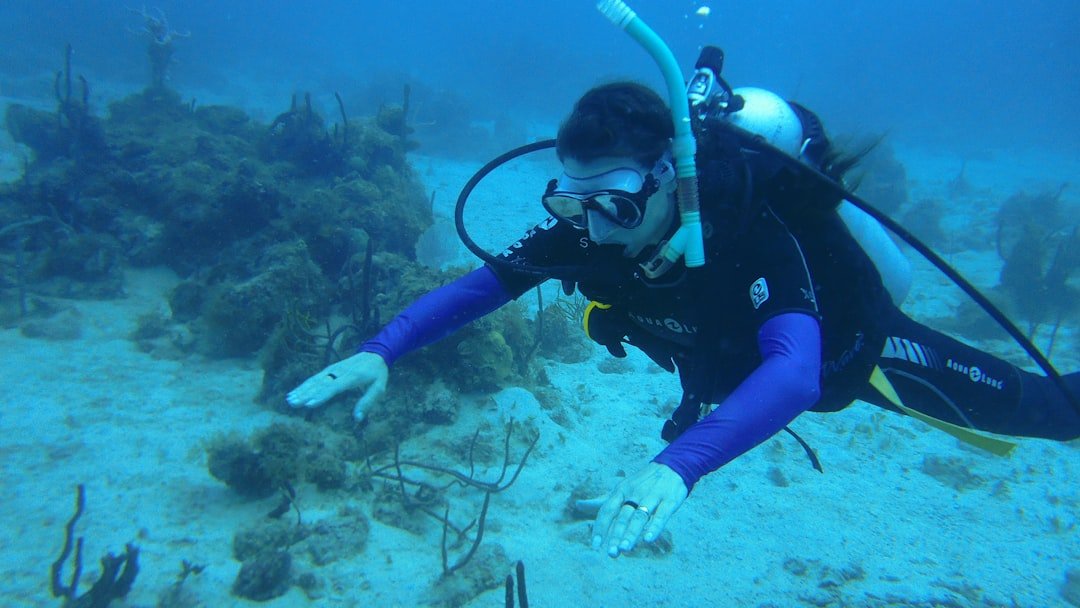
For the best scuba gloves for cold water diving, take one useful step before comparing brands: measure your hand, then test whether a glove thickness lets you operate your inflator, mask strap, torch switch, clips, and computer buttons. The best scuba gloves for cold water diving keep your hands warm enough for the full dive while leaving enough finger control to handle normal tasks calmly, especially when cold water, current, or a complicated kit raises workload.
Best scuba gloves for cold water diving start with temperature
Water temperature drives the choice more than the calendar month. A 5 mm glove that feels fine during a short shore dive in 14°C or 57°F water may feel inadequate on a longer boat dive with repeated descents, wind exposure between dives, and a steel cylinder pulling heat away through the rest of your suit. Your personal cold tolerance, suit type, circulation, dive duration, and whether you are moving or waiting on a line all change what feels warm enough.
As a rough shopping framework, many divers look at 3 mm neoprene for cool water, 5 mm for colder recreational conditions, and 6.5 mm to 7 mm gloves or a dry-glove system when water gets properly cold. These are starting points. A warm diver in a drysuit may prefer a thinner wet glove than a diver using a wetsuit in the same water, while someone with cold-sensitive hands may need more insulation sooner.
Do not judge by surface temperature alone. Thermoclines can be sharp. Check recent dive reports, ask the local operator what divers are wearing below the surface, and consider the coldest part of the planned profile rather than the temperature at the dock. If numb hands are a recurring problem, discuss exposure protection choices with a certified instructor and seek medical advice if you have circulation or other health concerns.
Dexterity vs warmth tradeoff
The central compromise is simple: thicker neoprene traps more insulating water and usually gives better warmth, but extra bulk reduces finger bend, tactile feedback, and grip strength. Thin gloves feel precise. They lose heat faster. For many recreational divers, the useful middle ground is a flexible 5 mm glove with a pre-curved hand shape, provided it seals well at the wrist and does not squeeze the fingers.
Dexterity is more than being able to make an OK signal. It includes opening and closing a bolt snap, deploying a delayed surface marker buoy, finding a backup mask strap, adjusting a wrist-mounted computer, clearing a camera housing control, and operating a torch on a low-visibility dive without looking directly at your hand. Test these real tasks, since a glove that works in a shop can become frustrating once wet, cold, and under pressure.
Five-finger gloves provide the best independent finger movement, which is why they remain the default choice for divers who use cameras, carry a reel, or need frequent access to small clips. They are versatile. Their weakness is heat loss through separate fingers, particularly at the tips where many divers first notice pain or numbness.
Three-finger mitts group the ring finger and little finger together, reducing surface area and sharing warmth while retaining a separate index finger and thumb for many common tasks. They are a practical compromise. Divers who mainly need to manage standard recreational equipment often find this style easier to live with than a full mitten, although it can make tiny controls and narrow clip gates more awkward.
Full mittens are usually the warmth-first option. They work best when the dive plan is simple and severe cold matters more than fine manipulation, such as straightforward descents, guided routes, and larger equipment controls. Before choosing mittens, make sure you can comfortably use your inflator, disconnect a low-pressure hose if your training calls for it, deploy your surface marker, and manage any emergency equipment carried on the dive.
Choose the right glove construction
Neoprene thickness matters, but cut and seam construction often decide whether a glove feels good after forty minutes underwater. Look for a glove with fingers that naturally curl slightly rather than lying flat, because a flat pattern can make your forearm work harder every time you grip a handle or hold a torch. A pre-curved pattern can reduce hand fatigue even when two gloves use the same stated neoprene thickness.
Seams are another realistic trade-off. Glued and blind-stitched seams usually reduce water exchange better than simple stitched seams, while taped seams can add durability and warmth where available; however, every added seam treatment may also change flexibility and price. A warm glove with a poorly placed seam across a knuckle can still feel restrictive when you repeatedly bend your hand, so inspect seam placement closely.
Wrist sealing deserves attention because flushed water is cold water you must rewarm. Long gauntlet cuffs can overlap a wetsuit sleeve and reduce flushing, while smooth-skin wrist seals may improve contact against the skin but can be delicate if pulled carelessly. The cuff must work with your suit system without bunching under a zipper, restricting wrist movement, or creating a gap that channels water into the glove.
For drysuit divers, dry gloves use an outer waterproof shell and separate insulating liners instead of relying on neoprene warmth. This system can provide markedly warmer hands on long cold dives because the liner stays dry, but it needs compatible rings, careful assembly, leak checks, and practice with the reduced feel of a bulkier hand setup. Ask a certified instructor for supervised practice before relying on a new dry-glove setup during a demanding dive.
Fit is the purchase decision
A glove should feel snug over the palm and fingers without flattening your fingertips or creating pins-and-needles pressure. Do not size down for warmth. Tight neoprene can reduce circulation and make hands colder, while an oversized glove leaves folds that trap water, weaken grip, and snag on buckles or straps.
Try gloves on with dry hands, then mimic diving movements for several minutes. Close a fist. Pinch your thumb and index finger together, reach overhead as if adjusting a valve or hood, rotate your wrist, and operate the actual clips or torch you use if the retailer permits it. If your fingertips stop short of the glove ends or your knuckles feel compressed in the shop, the problem will be worse in cold water.
Hand shape varies more than size charts suggest. Some brands cut for wider palms and shorter fingers, while others have narrow palms with longer finger stalls, so a marked medium from one maker can feel completely different from another. Compare the manufacturer measurement chart with your dominant hand rather than relying on the label, then buy from a seller with a workable return policy if trying them in person is not possible.
Materials, grip, and durability
Most cold-water gloves use neoprene, with a grippy palm coating or reinforced panels to help on ladders, lines, and camera trays. Although grip is useful, excessively aggressive rubber can make a glove less flexible, and thick reinforcement across the fingers may reduce the tactile feel you wanted from a five-finger design.
Smooth neoprene panels can improve wind resistance on the surface and may help a wrist seal, but they are easier to nick than fabric-lined neoprene. Use the pads of your fingers instead of pulling hard on a smooth cuff, rinse gloves in fresh water after diving, dry them away from direct heat, and store them flat or loosely shaped rather than folded tightly.
For rocky entries, wreck ladders, and frequent handling of abrasive equipment, prioritize palm reinforcement and secure stitching over the lightest possible glove. A delicate glove may feel wonderful initially. It can wear quickly if your normal diving involves carrying cylinders over rough ground or holding a descent line in surge.
Research-based product comparisons
Research shoppers often compare several major cold-water glove brands and models because they offer different cuts, thicknesses, and cuff approaches. Compare the exact current model, since manufacturers update materials and sizing; verify official specifications rather than assuming a glove name always means the same construction.
For drysuit systems, divers commonly research ring-based dry gloves from established drysuit accessory makers alongside the glove-ring system already installed on their suit. Do not buy a ring, liner, or outer glove based only on a forum recommendation, because suit cuff diameter, ring design, replacement parts, and installation method can differ.
Price can vary by region, retailer, and seasonal sales, but basic neoprene gloves often sit in a lower price band than premium flexible neoprene, reinforced technical gloves, and complete dry-glove systems. A properly fitting mid-priced glove is usually a better purchase than an expensive glove that causes numb fingertips, hand cramping, or poor control of essential equipment.
A practical way to narrow the choices
- Write down the coldest water temperature you realistically expect this season, plus the planned bottom time and number of dives per day.
- Choose a starting style: five-finger for precision, three-finger for a warmth and control compromise, or mittens when warmth clearly outweighs fine manipulation.
- Check how the cuff will overlap with your wetsuit or integrate with your drysuit, including whether you need to manage a computer or compass at the wrist.
- Test fit using the actual tasks you perform underwater, especially inflator use, clip operation, torch switching, and surface-marker deployment.
- Read current manufacturer sizing guidance and retailer return terms before removing tags or taking gloves into water.
A simple example helps: if your usual dives are 12°C or 54°F, last 45 minutes, and involve photography plus frequent clip use, a flexible 5 mm five-finger glove may be the sensible first option to test, while a diver doing a simple 60-minute shore dive in the same temperature may accept a three-finger mitt for added warmth. There is no universal winner once water temperature and hand use start pulling in opposite directions, because your task load decides it.
When gloves need more than a gear change
If your hands become painful, numb, weak, or too clumsy to manage normal equipment, end the dive according to your training and address the exposure issue before the next descent. Thicker gloves, a warmer suit, shorter profiles, warmer surface intervals, or a dry-glove system may help, but equipment changes do not replace sound planning and certified training.
The best final choice is the warmest glove that still lets you complete your normal in-water tasks deliberately and without fighting your hands. Test gloves before travel, and bring a backup pair on cold trips when possible, because wet gloves can be unpleasant between dives and small tears or lost gloves are much easier to solve on land than at a remote dive site.
Related posts
This article is for general informational purposes only and is not dive training or medical advice. Always train with a certified instructor and consult a doctor before diving if you have any health concerns. Gear specs, pricing, site conditions, and operator schedules change, so verify current details directly with the manufacturer or dive operator.
Disclosure: This post may contain affiliate links. If you click through and make a purchase, we may earn a commission at no extra cost to you. We only recommend gear we’ve researched or genuinely believe in.