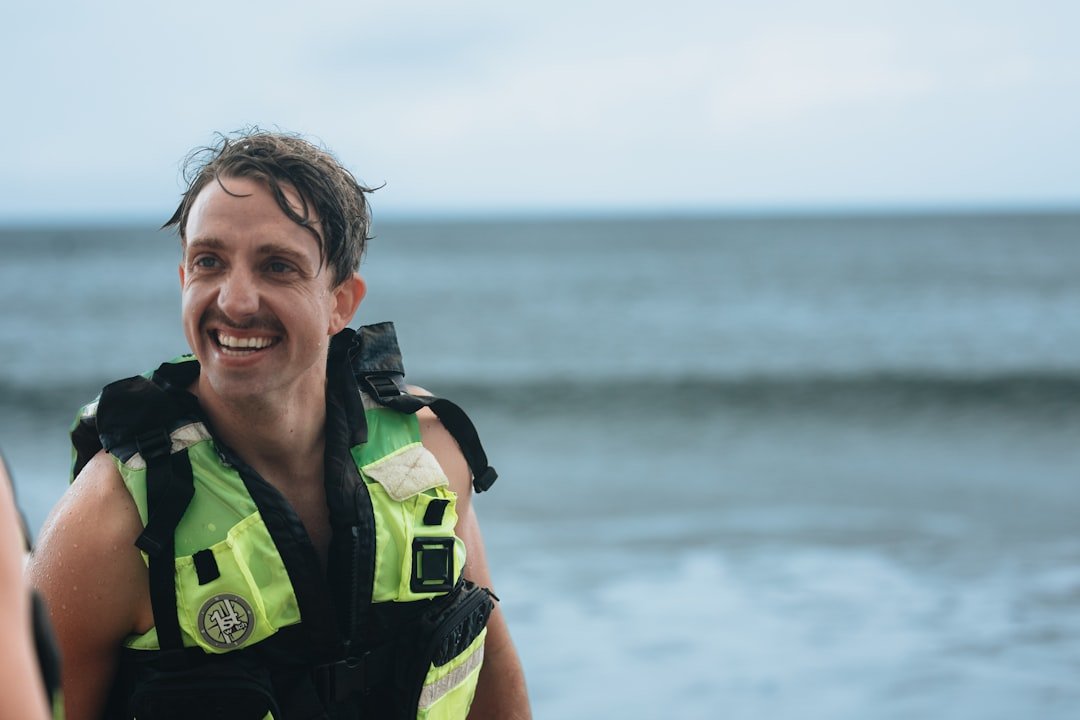
The best snorkeling vest for beginners is a manually inflatable snorkel vest with bright fabric, an oral inflation tube, and a secure waist strap that does not ride into your ribs. For a first purchase, the best snorkeling vest for beginners is usually a simple travel-style vest rather than a bulky life jacket or scuba BCD. Keep it simple.
For nervous swimmers, a vest can add useful surface confidence because you can add small amounts of air when you want more support. It is not a substitute for learning to float, clear a snorkel, manage fatigue, or judge conditions. Training still matters.
How to choose the best snorkeling vest for beginners
Start with the type of buoyancy you want. A snorkel vest is designed to add adjustable flotation at the surface, while a certified personal flotation device is designed for different situations and may hold you in a position that makes face-down snorkeling awkward. Read the product label. If a boat operator requires a specific flotation device, follow that rule rather than assuming a snorkel vest meets it.
Manual inflation is the most straightforward option for many new snorkelers. You blow into the oral tube to add air, then press or open the dump valve to release it. Small adjustments are the point. A vest that is partly inflated can support relaxed floating while still allowing you to put your face in the water without fighting a large volume of lift.
A CO2 cartridge can inflate a vest quickly, but it adds maintenance, replacement costs, and a procedure that you need to understand before entering the water. Check local airline rules before flying with cartridges. Some travelers prefer oral-only models because they avoid that complication, although oral inflation takes a little more effort and practice.
| Vest style | What it suits | Main trade-off |
|---|---|---|
| Oral-inflation travel vest | Beginners who want adjustable support and simple packing | You must inflate it yourself |
| CO2 plus oral-inflation vest | Swimmers who want rapid inflation with a manual backup | Cartridge upkeep and travel restrictions |
| Foam flotation vest | People who prefer constant buoyancy without inflation steps | More bulk and less comfortable face-down trim |
| Personal flotation device | Use where an operator or local rule specifically requires one | Often less suitable for snorkeling posture |
Fit decides whether the vest feels calming or distracting. Measure your chest and waist against the manufacturer sizing chart, then consider the clothing you will actually wear in the water. A rash guard changes little. A thick wetsuit changes a lot. The waist strap should sit low enough to resist riding up, and the vest should not shift toward your chin when you gently pull upward on the shoulder area.
Do not buy a loose vest just to get more buoyancy. Excess space lets the bladder move around your torso, which can make breathing feel restricted when the vest is fully inflated and can place the oral tube somewhere awkward. A properly sized model can still feel roomy before inflation. That is normal.
High-visibility yellow, orange, or neon panels are useful around boats, in choppy water, and on busy shore entries. Color does not make an unsafe site safe. It does give a guide, buddy, or boat crew a better chance of spotting you than dark blue or black fabric does.
What nervous swimmers should prioritize
Nervous swimmers often do best with predictable, adjustable buoyancy rather than the highest stated lift. A fully inflated vest can lift your upper body strongly, yet too much air can make it harder to settle comfortably into a horizontal snorkeling position. Start with less air. Add a breath or two only when you need it.
Choose a model with an oral tube that is easy to find without looking. It should reach your mouth while you are floating, and the valve should be easy to operate with wet fingers. Before any open-water use, practice adding air, releasing air, and finding the tube while standing in shallow water with a certified instructor or experienced supervised snorkel program.
A separate quick-release buckle is helpful when it is clearly marked and easy to use, but do not treat it as a reason to enter conditions beyond your skills. Strong current, surf, cold water, and long surface swims can overwhelm a nervous swimmer with or without a vest. Pick a sheltered site. Stay close to your buddy.
Some snorkel vests have crotch straps. These can reduce ride-up for smaller adults or people with narrow torsos, but many swimmers find them uncomfortable, especially over bare skin. If you are between sizes, compare the manufacturer chart and return policy before ordering. Prices vary by region.
Realistic trade-offs before you buy
Budget snorkel vests can be perfectly adequate if the seams, valve, buckle, and oral tube are well made, but low cost often means thinner material, fewer adjustment points, and less information about replacement parts. Inspect the product carefully when it arrives. Inflate it at home and leave it overnight according to the manufacturer’s instructions to check for obvious air loss before a trip.
Premium models may use tougher fabric, more comfortable neck shaping, or a CO2 system, but extra cost does not automatically make a vest easier for a beginner. The simplest model that fits correctly is often the better first choice. Avoid unnecessary complexity.
Packability also matters on a beach vacation. An oral-inflation vest folds flat and weighs little, while foam flotation takes more luggage space and may be awkward to carry between hotel, shuttle, and boat. On the other hand, foam is always buoyant and has no valve to operate. Decide which concern bothers you more.
Do not confuse a snorkel vest with scuba equipment. It is not a buoyancy control device for diving, and it does not qualify anyone to dive beneath the surface. If you are considering breath-hold dives, scuba, or snorkeling in deeper water, get appropriate training first. Breath-hold safety needs its own instruction.
A simple first-use check
Use this sequence in calm, shallow water before relying on a new vest during a tour. Do it with a trained supervisor if you are not comfortable in the water. Never test alone.
- Put the vest on over the clothing you plan to snorkel in and tighten the waist strap until it stays low on your torso.
- Inflate it orally with a small amount of air, then float on your front and check that the vest does not press your chin upward.
- Add a little more air and practice locating the oral tube without lifting your mask or looking down.
- Release air through the dump valve until you can float comfortably with your face in the water and breathe through your snorkel.
- Practice rolling onto your back, signaling your buddy, and returning to standing depth without rushing.
If any step feels confusing, stop there. A pool session, shallow lagoon, or guided shore lesson is a better place to sort it out than a deep reef stop. Certified instruction can make this practice much less stressful.
FAQ
Do beginners need a snorkeling vest?
No, not every beginner needs one, but it can be useful for people who are uneasy about floating or who will snorkel from a boat in calm water. It should support your plan, not create false confidence. A guide can help assess the conditions.
Can I use a snorkel vest as a life jacket?
Usually no. A snorkel vest and a certified personal flotation device may have different intended uses, testing standards, and labeling. Check the label and local operator requirements. Use the required device when one is specified.
How much should I inflate a snorkel vest?
Use only enough air to feel stable at the surface while keeping a comfortable face-down position. There is no single number for every body or vest. Practice in shallow water first.
Are CO2 snorkeling vests better for nervous swimmers?
They can feel reassuring because they inflate quickly, but they also require cartridge checks, correct arming, and familiarity with the mechanism. An oral-inflation vest may be easier to understand for a first-time buyer. Either choice needs practice before the trip.
Related posts
This article is for general informational purposes only and is not dive training or medical advice. Always train with a certified instructor and consult a doctor before diving if you have any health concerns. Gear specs, pricing, site conditions, and operator schedules change, so verify current details directly with the manufacturer or dive operator.
Disclosure: This post may contain affiliate links. If you click through and make a purchase, we may earn a commission at no extra cost to you. We only recommend gear we’ve researched or genuinely believe in.