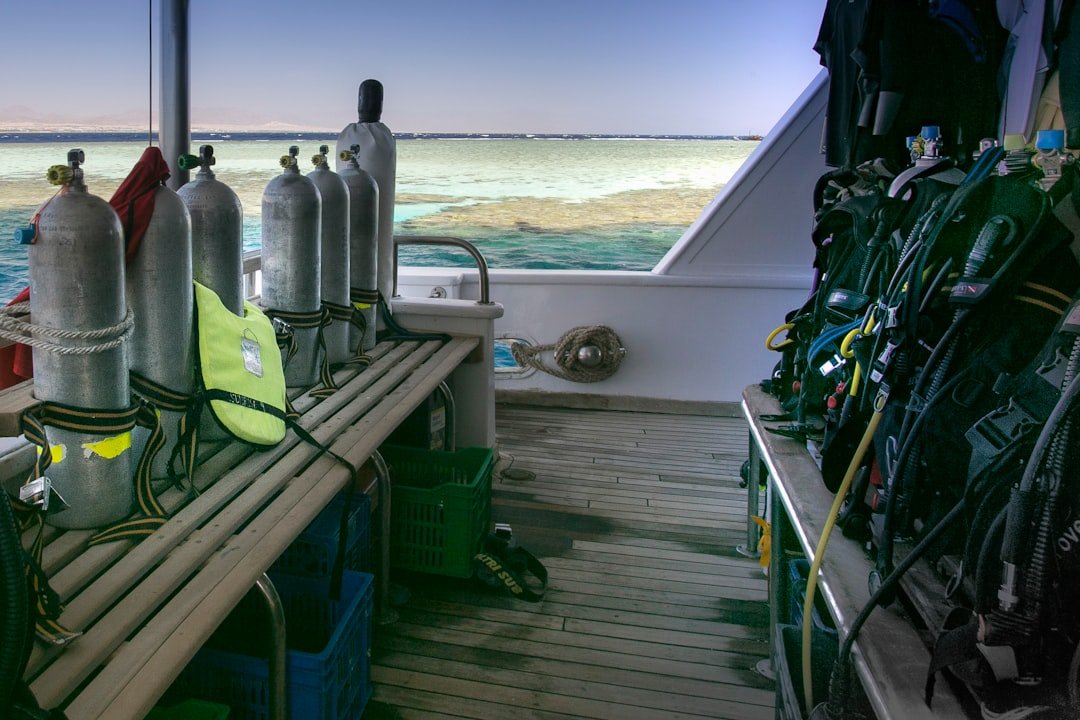
For most recreational divers, single tank vs twin tank diving is an easy call: choose a single cylinder. A standard single tank is lighter to carry, easier to rent, cheaper to own, and fully capable for the overwhelming majority of guided reef, wreck, and shore dives kept within normal no-decompression recreational limits. Keep it simple. In the usual single tank vs twin tank diving comparison, twins win only when you have appropriate training and a real dive-plan reason for the added gas, redundancy, and equipment complexity.
Single tank vs twin tank diving verdict
Buy or rent a single tank setup first. That is the clear recommendation for recreational divers who mostly dive vacations, local reefs, boat dives, shallow wrecks, or guided dives where a normal aluminum or steel cylinder gives enough gas for the plan. It works. A conventional single-backmount setup also makes travel easier because most operators can provide the cylinder, weights, and basic rental parts without needing advance arrangements.
Twin tanks are not simply a larger version of a single cylinder. They change buoyancy, trim, valve management, failure procedures, hose routing, cylinder handling, and the consequences of an equipment mistake, so they belong with formal instruction in that configuration rather than a casual gear upgrade. Training matters. A twinset can be an excellent tool for longer or more demanding dives, but extra gas should never tempt a diver to exceed training, planned depth, overhead limits, or conservative reserve requirements.
| Factor | Single tank | Twin tanks |
|---|---|---|
| Best fit | Most recreational open-water dives | Planned extended dives with configuration training |
| Typical handling | One cylinder, one valve, less weight | Two cylinders, manifold or independent valves, more weight |
| Travel and rental access | Easy at most dive operators | Often requires advance planning or bringing gear |
| Gas capacity | Limited by one cylinder | Higher total capacity, depending on cylinders |
| Failure management | Standard recreational procedures | Requires trained isolation or independent-cylinder procedures |
| Cost | Lower initial and maintenance cost | Higher cost for cylinders, bands, valves, wing, and servicing |
Why a single tank suits most dives
A single cylinder keeps the system familiar. You have one tank valve to check, one cylinder pressure to monitor, and a setup that most dive guides, boat crews, and rental counters see every day. Less kit. That practical convenience matters when you are assembling equipment on a wet deck, carrying it across a beach, or trying to fit dive gear into airline baggage limits.
Most recreational dive profiles do not need twin-cylinder gas volume. A typical guided dive may be limited by no-decompression time, current, visibility, buddy air supply, boat schedule, marine park rules, or the first diver reaching the agreed turnaround pressure long before a large twinset would be empty. More gas changes none of those constraints. It only gives you a larger gas reserve if the rest of the plan allows you to use it safely.
Singles also make buoyancy management easier for newer divers and occasional divers returning after a break. An aluminum cylinder becomes noticeably more buoyant near the end of a dive, while a steel cylinder usually changes less, but either option is straightforward to learn with a correctly sized BCD or backplate-and-wing. Check your weighting. Proper weighting and a calm ascent do more for comfort than adding a second cylinder.
There is a social advantage too. If everyone in your group uses ordinary rental cylinders, you can usually swap tanks between dives without special manifolds, bands, tank spacing, or compatible valve threads. That is convenient. On a holiday, simplicity leaves more attention for the actual dive site rather than the equipment bench.
When twin tanks are the better option
Twin tanks become the better choice when the dive plan has a legitimate need for gas volume that a single cylinder cannot provide while retaining a sensible reserve. This might include long cold-water dives with higher breathing rates, extended exploration of a large open-water wreck, or technical training that uses a twinset as the intended back-gas configuration. The reason comes first. Do not build the plan around carrying more gas just because the cylinders are available.
A manifolded twinset can also provide redundancy when used by a diver trained to identify a gas loss, shut down the affected post, isolate the manifold if needed, and continue on the remaining gas according to the plan. That procedure is specific. It is not equivalent to having two tanks on your back and hoping that one remains full after a problem.
Independent twins can offer separate gas supplies, but they require disciplined gas management and a practiced approach to switching regulators and maintaining balanced cylinder pressures. They are not beginner-friendly. If one side is breathed down much further than the other, trim shifts and the theoretical reserve may not be as useful as expected during a real stress event.
Twins often feel stable underwater once fitted correctly. The two cylinders sit close to the back, and many experienced divers prefer the fixed trim compared with a large single cylinder that can roll slightly in a loose cam band. Fit is everything. A poorly adjusted twinset is heavy, awkward, and tiring before you even reach the water.
Gas planning matters more than cylinder count
The right question is not “How much air can I carry?” Ask how much gas the dive requires, including a reserve for an ascent and a buddy emergency under the conditions you expect. Start with the plan. Your instructor can teach the gas-planning method appropriate to your certification level, environment, and type of diving.
Here is a simple recreational planning example, not a substitute for training. If you normally use 50 bar during a 40-minute shallow reef dive from an 11-litre aluminum cylinder, a larger gas supply may not extend your actual dive much if your group turns at 100 bar, your no-decompression time ends first, or the boat expects everyone back after 45 minutes. The limit remains. Carrying twins would add weight and expense without solving the controlling factor.
Now consider a different case: a cold local quarry dive where you consume gas much faster, have a longer swim back to shore, and need a substantial reserve for your buddy and controlled ascent. A larger cylinder or properly trained twinset may be reasonable, but the right answer depends on depth, water temperature, exposure protection, exertion, access to the exit, and your instructor-approved plan. Conditions change quickly. Discuss that kind of progression with a certified instructor who can see your trim, buoyancy, and gas use in the water.
The equipment differences you will feel
A single-cylinder setup normally uses a jacket BCD, back-inflate BCD, or a small single-tank wing. It is easy to find parts, and a standard regulator set works with minimal hose-routing decisions. Easy does not mean careless. Secure the cam band, inspect the valve O-ring, confirm the cylinder is properly filled, and do a complete buddy check before every dive.
A twinset needs more dedicated hardware. The cylinders need compatible valves and a secure band set, while the buoyancy system needs enough lift for the cylinders, regulators, exposure suit, weights, and other equipment you will carry at the surface. Too little lift is a problem. Too much unnecessary lift can make buoyancy control less precise and may require extra weighting.
Weight is the first surprise for many divers. Two steel cylinders, manifold, bands, backplate, wing, regulators, and thermal exposure gear can be significantly heavier than a holiday single-cylinder kit, especially while walking across rocks or climbing a boat ladder in waves. Protect your back. Ask for help moving a twinset, use a trolley where available, and do not let pride turn a gear carry into an injury.
Travel can also be less flexible. Some destinations routinely have single cylinders in aluminum, while matching steel twins, manifolded cylinders, and a suitable wing may be limited or unavailable. Call ahead. Confirm cylinder size, valve type, gas availability, rental policy, and whether the operator permits twinsets on its boats before you arrive.
Cost, maintenance, and practical ownership
A single setup has the lower financial entry point because you need one cylinder, one BCD or wing, and a normal regulator arrangement. Twin ownership adds a second cylinder, bands, manifold or separate valves, a larger wing, and often additional regulator hardware. Costs add up. Prices vary by region, and local cylinder inspection and testing requirements can affect the long-term bill.
Two cylinders also mean more visual inspections, servicing decisions, transport, storage space, and filling logistics. If you own steel cylinders, protect them from internal corrosion by following the manufacturer and local service guidance. Do not store wet gear sealed against valves. A fill station may also have policies about manifolded doubles, particular valve fittings, or oxygen-clean equipment for mixed-gas use.
If you dive only a few times a year, renting a single cylinder is usually the sensible route. Spend your budget on a well-fitting mask, exposure protection suitable for the water temperature, dependable regulators, buoyancy skills, and additional supervised diving experience. Those choices pay off. A twinset is best bought after you know your local diving and training path make it useful.
A practical way to choose
- Write down your usual dive depth, bottom time, water temperature, and exit method. Be specific.
- Review actual gas use from several recent dives, not your best-ever dive.
- Identify what ends the dive first: gas, no-decompression time, buddy reserve, current, cold, or operator schedule.
- Choose a single cylinder if it already meets the plan with the required reserve.
- Consider twins only if extra gas or trained redundancy solves a real limitation, then take a formal course in the intended configuration.
This sequence prevents an expensive gear-first decision. If your current dives are 18-metre guided reef dives with easy boat exits and plenty of gas left at the agreed turn pressure, stick with a single. If your planned dives are changing toward colder, longer, or more complex conditions, seek training before changing configurations.
Frequently asked questions
Are twin tanks safer than a single tank?
They can provide more gas and, in some configurations, a managed response to certain failures. They are not automatically safer. Safety depends on correct equipment setup, practiced skills, conservative planning, buddy procedures, site conditions, and training in the exact configuration you use.
Can a recreational diver use twin tanks?
Yes, but only after suitable instruction and supervised practice. Recreational certification alone may not prepare you for manifold shutdowns, independent-cylinder gas balancing, emergency drills, or the buoyancy characteristics of a twinset. Get trained first.
Should I buy a larger single cylinder before twins?
Often, yes. A larger single steel cylinder can provide more gas with less complexity than a twinset, provided its weight, buoyancy characteristics, and local availability suit you. Try one under supervision. Your instructor or experienced local dive professional can help assess whether you can handle it comfortably.
Do twins give double the bottom time?
No. Doubling cylinder volume does not guarantee double bottom time because depth, no-decompression limits, water temperature, exertion, buddy gas needs, and the planned reserve can end the dive first. Gas is only one limit.
Can I travel with my own twinset?
You can travel with the non-cylinder components, subject to airline baggage rules, but transporting cylinders is often impractical and restricted unless they are empty with valves removed or otherwise accepted under current airline policy. Check directly with the airline and dive operator before booking. Rules differ.
For the common recreational diver, choose the single and become very comfortable with it. It is the lighter, easier, more widely supported setup for ordinary dives. Move to twins when your trained diving goals demand them. That is the useful dividing line.
Related posts
This article is for general informational purposes only and is not dive training or medical advice. Always train with a certified instructor and consult a doctor before diving if you have any health concerns. Gear specs, pricing, site conditions, and operator schedules change, so verify current details directly with the manufacturer or dive operator.
Disclosure: This post may contain affiliate links. If you click through and make a purchase, we may earn a commission at no extra cost to you. We only recommend gear we’ve researched or genuinely believe in.