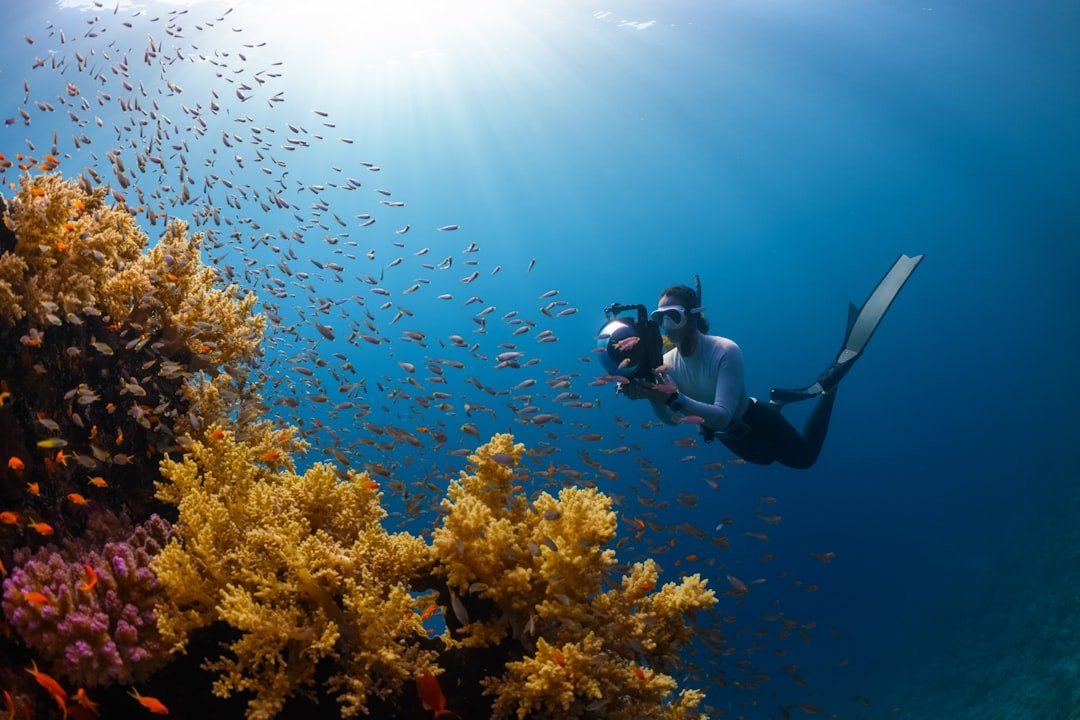
A common misconception about how to prepare for open water checkout dives is that you need to arrive able to perform every skill perfectly. You do not. Checkout dives are supervised training dives where you demonstrate skills your instructor has already taught and coached in confined water. Feeling nervous is normal. The useful goal is to arrive rested, organized, and ready to listen, practice, and ask for clarification before a skill starts.
How to prepare for open water checkout dives before dive day
Start with the course materials your training agency and instructor gave you. Review the knowledge sections, hand signals, buddy procedures, and the sequence for each required skill. Keep it simple. You do not need to memorize a script, but you should understand what the skill is meant to show and what you should do if something feels unclear underwater.
Look closely at the skills that caused hesitation in the pool or confined-water session. Many new divers spend extra time reviewing mask clearing, regulator recovery, buoyancy control, and controlled ascents because those tasks combine breathing, body position, and calm decision-making. Practice mentally on dry land. Picture the order: get stable, signal if needed, perform the skill slowly, and breathe continuously.
Do not try to teach yourself new techniques online the night before. That can create conflicting habits. If you are unsure about a course requirement, ask your certified instructor before the dive day, since agencies and instructors may organize skill demonstrations in slightly different sequences.
Sleep matters more than cramming. Aim for a normal full night, eat a familiar meal, and drink water steadily during the prior day and morning. Avoid arriving dehydrated after alcohol or a late night. Diving while sick, unusually exhausted, congested, or dealing with ear pain needs a direct conversation with your instructor and, where appropriate, a doctor.
What to expect at open water checkout dives
Most checkout days begin with paperwork, a site briefing, gear setup, and an overview of the plan. Expect some waiting. Your instructor may be working with several students, conditions may require adjustments, and everyone needs time to assemble and check equipment carefully.
At the water, you will usually review entry and exit methods, the underwater route, maximum depth, communication signals, and what to do if you separate from your buddy. Pay attention here. The briefing tells you how the local site changes the skills you practiced in a pool, whether that means a shore entry over rocks, a boat ladder, cooler water, current, or lower visibility.
During each dive, the instructor normally watches you complete selected skills and then allows time for a tour or basic exploration when conditions and course standards allow. The exact number of dives and skill order depend on your agency, course structure, site, and instructor. Ask early. Knowing the rough plan reduces the temptation to rush.
You may repeat a skill. That is not automatically a failure. A repeat can happen because you missed a signal, ascended or descended a little during the task, forgot one step, or simply need another calm attempt after resetting your position.
Review skills without turning them into a test
The best preparation is a calm refresh, not pressure. Before entering, review the skill with your instructor or buddy in plain language, especially the start signal, where you should hover or kneel, and the completion signal.
For mask work, remember that a small amount of water is manageable when you keep breathing through your regulator and clear gradually as trained. Look up slightly if your instructor taught that method. Do not clamp your eyes shut and rush through it.
For regulator recovery or replacement, keep control of your position before reaching for equipment. A stable body uses less energy. If you get flustered, stop, breathe, make eye contact with the instructor, and use the signal you were taught for assistance.
Buoyancy is often the skill that makes everything else easier. Begin with a comfortable amount of air in your BCD, stay horizontal where appropriate, and make small changes rather than repeatedly inflating and dumping large bursts of air. Small adjustments work. Your instructor will guide the weighting and trim discussion, and you should not make major weight changes alone without that guidance.
Equalize early and often on descent, before discomfort becomes pain. Never force an equalization. If your ears will not clear, signal, stop, ascend slightly if instructed, and try again gently; persistent trouble means ending or postponing the dive is the sensible call.
What to bring for checkout dives
Confirm what your course price includes before buying or packing anything. Some programs provide all equipment, while others expect students to bring personal basics such as a mask, snorkel, fins, boots, or exposure protection. Prices and inclusions vary by region. Get the answer directly from the operator in writing if possible.
| Item | Why it matters | Practical check |
|---|---|---|
| Course documents and ID | Needed for registration and training records | Pack them the night before |
| Swimsuit and towel | Useful for changing and staying warm | Bring a dry layer for afterward |
| Mask, fins, snorkel if required | Personal fit can affect comfort | Label gear and inspect straps |
| Exposure protection | Helps manage water temperature | Confirm thickness and rental sizing |
| Water and simple food | Supports hydration and energy between dives | Choose familiar, easy-to-digest food |
| Sun and weather cover | Shore and boat days can be exposed | Pack sunscreen, hat, and warm layer |
If you own a new mask, test its fit before checkout day. Place it gently against your face without using the strap and inhale slightly through your nose. It should seal comfortably. A mask that leaks because of hair, hood placement, or poor fit makes basic skills much more frustrating than they need to be.
Bring less than you think. A large loose pile of personal items creates stress at a busy shore site or boat deck. Use one bag for dry items and keep valuables secured according to the operator’s instructions.
A simple checkout dive day sequence
- Arrive early enough to park, change, and complete paperwork without rushing.
- Listen to the briefing, then ask about anything you do not understand before setup begins.
- Assemble your equipment slowly with your instructor’s process and complete the required buddy check.
- Confirm entry, exit, hand signals, separation procedure, and the planned maximum depth.
- Descend gradually, equalize often, and tell the instructor promptly if you have pain or anxiety.
- Complete each skill at the pace your instructor directs, then enjoy the supervised dive portion.
- After surfacing, debrief honestly while details are fresh.
Use the debrief well. If a skill felt awkward, say exactly what happened: water entered your mask, you lost position, you forgot a step, or you felt cold. Specific details help your instructor decide whether a quick explanation, another practice attempt, or a different setup will help most.
Handle nerves and changing conditions
First open-water dives can feel very different from a pool. Visibility may be limited, water may move, and the bottom may be farther away than you expected. Go slowly. Keep close enough to your instructor and buddy to communicate easily, as directed in the briefing.
If anxiety rises underwater, do not bolt for the surface. Stop, breathe, signal your buddy or instructor, and follow the response you were taught. A controlled pause at a safe depth is usually far more useful than trying to push through panic, but your instructor makes the call based on the situation.
Cold can also affect concentration and air use. Tell the instructor when you are shivering or uncomfortable. There is no prize for staying in the water when you cannot focus on the training task.
Leave schedule pressure on shore. Weather, current, boat issues, and visibility can delay or cancel checkout dives, and a responsible operator may change plans for safety. That is frustrating. It is also part of real diving.
Frequently asked questions
Do I need to buy scuba gear before checkout dives?
Usually, no. Many beginner courses include rental life-support equipment, but policies differ. A well-fitting mask, snorkel, fins, and exposure gear can be useful personal purchases if your instructor says they suit the local conditions. Fit comes first.
What if I cannot complete a skill on the first attempt?
Tell your instructor what went wrong and follow their coaching. You may be asked to repeat the skill during that dive or on a later session. Training is designed for learning. Do not hide the problem or pretend you are comfortable when you are not.
Can I wear contacts during checkout dives?
Some divers use soft contact lenses underwater, but this is a personal health and eye-care question. Ask your eye-care professional before diving with contacts, and discuss mask-clearing concerns with your instructor. Bring a backup plan.
Should I use a dive computer during my course?
Your instructor will tell you what the course requires. If you use one, learn only the functions your instructor asks you to use and follow the planned limits and ascent procedures. A computer does not replace training, buddy awareness, or conservative judgment.
What happens after I finish the checkout dives?
Your instructor completes the required training records once all course performance requirements are met. Check your agency’s process for receiving certification documentation, and keep practicing basic buoyancy, communication, and equipment setup on later supervised or appropriately planned dives. The learning continues.
Related posts
This article is for general informational purposes only and is not dive training or medical advice. Always train with a certified instructor and consult a doctor before diving if you have any health concerns. Gear specs, pricing, site conditions, and operator schedules change, so verify current details directly with the manufacturer or dive operator.
Disclosure: This post may contain affiliate links. If you click through and make a purchase, we may earn a commission at no extra cost to you. We only recommend gear we’ve researched or genuinely believe in.