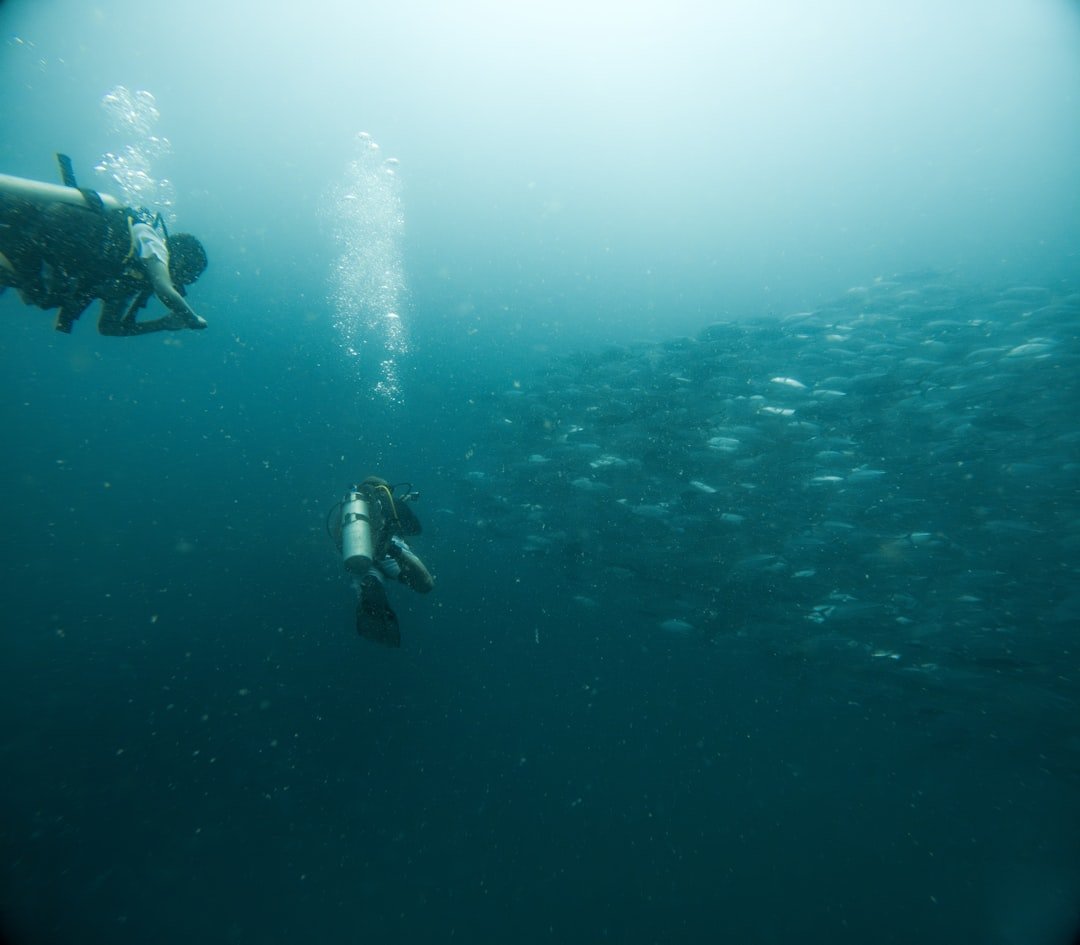
Your tank choice affects buoyancy, weight, travel costs, and how you feel underwater from your first descent to your final safety stop. The decision between aluminum tank vs steel tank isn’t just about price—it’s about matching your body, your destinations, and your long-term diving goals. Here’s what you actually need to know before you buy.
Quick Reference: Aluminum Tank vs Steel Tank at a Glance
| Factor | Aluminum Tank | Steel Tank |
|---|---|---|
| Empty Weight | 31–34 lbs (80 cu ft) | 37–45 lbs (80 cu ft) |
| Buoyancy at Surface | Negative (sinks empty) | Slightly negative (sinks empty) |
| Buoyancy When Full | Positive (floats when full) | Negative (sinks when full) |
| Corrosion Risk | High in saltwater—needs rinse | Lower when maintained properly |
| Travel-Friendly | Lighter—easier baggage | Heavier—airline fees likely |
| Buoyancy Correction Needed | More weight to compensate | Less weight needed overall |
Understanding Buoyancy: The Real Difference
Most people don’t realize that aluminum tank vs steel tank creates a buoyancy problem most recreational divers haven’t experienced until they’ve switched tanks. An aluminum tank full of air actually floats at the surface. Steel doesn’t. That single fact shapes everything else.
When you’re underwater with a full aluminum tank, you’re fighting positive buoyancy. Your BC needs to work harder. You’ll add more weight to your belt to stay neutral at depth, which means extra lead around your waist. I’ve been diving with aluminum tanks for years—I know exactly how much air I need in my BC to compensate.
Steel tanks sit neutral or slightly negative even when full. Your buoyancy feels more predictable. Less weight on your body means less fatigue over multiple dives. Less weight also means a smaller, less bulky BC, which matters on liveaboards or when you’re doing back-to-back dives.
Why does this matter? Because neutral buoyancy is the foundation of safe diving.
Weight and Travel: The Hidden Cost of Aluminum
Aluminum tank vs steel tank becomes a financial and logistical question the moment you book a flight to a dive destination. Most recreational divers traveling internationally carry their own tank to avoid rental fees and equipment uncertainty. Aluminum tanks weigh 3–8 pounds less than steel per tank. Over an entire travel kit with wings, regulator, and drysuit, you’re looking at 15–25 pounds of difference.
Airlines charge overweight baggage fees starting around $50 per bag for every 5 pounds over the limit. If you’re traveling with a steel tank setup, you might trigger fees. Aluminum doesn’t.
But here’s where people get confused: lighter isn’t always better in water. On a boat, aluminum tanks are easier to carry and easier to store. In your BC harness underwater, weight distribution matters more than raw poundage. I’ve been diving with this for years, and I can tell you most people don’t realize that lighter topside doesn’t mean easier diving.
Travel considerations also include where you’re diving.
Corrosion, Maintenance, and Longevity
Saltwater corrodes aluminum aggressively. After a dive in the ocean, your aluminum tank needs a freshwater rinse within hours. Steel handles saltwater better as long as you maintain the internal coating and valve seats. Both need annual hydrostatic testing for safety certification.
I’ve seen so many divers ignore aluminum tank rinse routines and end up with white powder corrosion, pitted exteriors, and tanks that fail inspection three years early. It’s preventable. Rinse it. Dry it. Store it inside.
Steel tanks last longer in tropical saltwater environments if you’re consistent with maintenance. Aluminum tanks perform fine with discipline. Most recreational divers don’t dive enough to wear out either tank type—corrosion happens first if you skip rinsing, not age.
Choosing Between Aluminum Tank vs Steel Tank: A Decision Framework
Condition: You’re Ready to Buy Your Own Tank
You’ve logged at least 20 dives. You dive at least twice a year. You’re considering owning gear instead of renting it every time.
Audience
Recreational divers aged 25–50 who travel to dive destinations or dive locally year-round. Fit, average body composition to athletic. Planning dives within recreational depth limits (130 feet maximum).
Method
Answer these questions honestly. They determine which tank type aligns with your actual diving pattern.
Steps to Follow
- Write down your three most common dive destinations over the next 24 months—saltwater, freshwater, tropical, cold water.
- Count how many international flights you’ll take with your tank over the next two years.
- Honestly assess your freshwater rinsing discipline—do you rinse gear immediately after every saltwater dive?
- Determine your baseline buoyancy needs by diving with both tank types at least once and recording how much weight you add to stay neutral.
- Calculate your actual luggage weight limit with current airlines you use—check their overweight surcharges.
- Visit a dive shop and hold both tank types. Feel the difference. Ask to see corrosion examples on aluminum tanks that weren’t rinsed.
- Make your decision based on this data, not peer pressure or price alone.
Warnings
This is where most divers give up—they overthink it. You cannot make a wrong choice if you maintain your tank. The differences matter, but they’re not life-changing. Pick one, commit to maintenance, and dive confidently.
My Picks for This
- Faber Steel 80 offers reliable negative buoyancy and excellent saltwater durability when rinsed and stored properly, making it ideal for tropical liveaboards and frequent travelers who want predictable buoyancy.
- Worthington Aluminum 80 delivers lighter weight for travel and reasonable buoyancy characteristics, preferred by divers flying internationally multiple times per year who are disciplined with freshwater rinsing.
- XS Scuba Steel Tanks provide mid-range pricing with consistent quality control and strong corrosion resistance, trusted by rental facilities and dive centers across North America.
- Luxfer Aluminum Tanks combine proven manufacturing with smooth interior coating that resists corrosion better than older aluminum designs, suitable for divers in freshwater environments or those committed to tank maintenance.
Frequently Asked Questions (FAQ)
Q1. How much does a new tank cost, and is aluminum really cheaper?
Aluminum tanks typically cost $150–250 new depending on size and manufacturer. Steel tanks range $200–350. Steel often costs more upfront, but the difference varies by retailer and availability. Factor in corrosion risk for aluminum—replacement costs more if you skip maintenance. Check current pricing directly with local dive shops since costs fluctuate.
Q2. Can I use an aluminum tank with my existing steel tank BCD setup?
Yes, but you’ll need to adjust your weighting and BC air volume. Aluminum tank vs steel tank requires different buoyancy compensation because aluminum’s positive surface buoyancy changes how much weight you need. Try both at a confined-water session first before committing to a destination dive.
Q3. Which tank is better for cold-water diving?
Steel tanks are easier in cold water because they don’t add positive buoyancy that your BC must fight. Aluminum works fine in cold water if you manage buoyancy properly, but steel feels more intuitive for divers new to cold-water environments. Cold water itself is neutral between aluminum and steel—the buoyancy difference is what matters.
Q4. Do airlines really charge extra for steel tanks, and can I fly with my tank?
Most international airlines prohibit empty tanks in passenger luggage due to pressure regulations and residual air. You’ll need to ship your tank separately or rent locally. Aluminum tank vs steel tank affects your shipping weight and cost. Check with your specific airline and shipping carrier for current restrictions—policies change frequently.
Q5. How often should I rinse an aluminum tank, and what happens if I don’t?
Rinse in fresh water immediately after every saltwater dive. If you don’t, white powdery corrosion forms within days, pitting the exterior and potentially compromising structural integrity. After a week of neglect, some aluminum tanks show visible damage. Rinsing takes three minutes and saves hundreds in replacement costs.
Q6. Should I buy one tank or invest in two?
Most recreational divers start with one tank and add a second later. Owning two lets you dive back-to-back without air refilling delays. Starting with one tank of your preferred type—aluminum or steel—lets you learn its characteristics before doubling your investment. The choice between aluminum tank vs steel tank stays the same whether you own one or two.
This post is for informational purposes only and does not constitute professional diving instruction, medical advice, or travel guidance. Scuba diving involves inherent risks — always train with a certified instructor and consult a physician before diving. Prices, product specs, dive site conditions, operator schedules, and entry requirements are subject to change without notice. Always verify current details directly with manufacturers, retailers, dive operators, and local authorities. This site may contain affiliate links — purchases made through our links may earn us a commission at no extra cost to you.