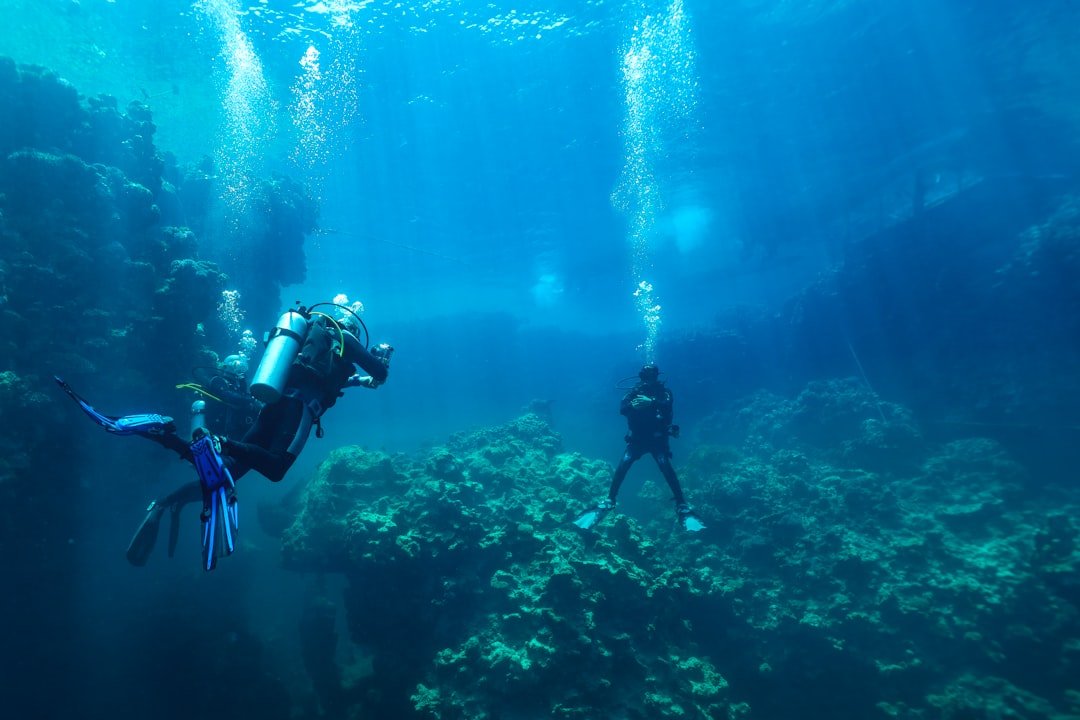
Cold water diving rewards you with exceptional visibility, thriving ecosystems, and some of the most memorable encounters you’ll experience underwater. The best cold water diving destinations deliver all three, but success depends on choosing the right exposure suit and understanding what makes each location unique. This guide reveals the best cold water diving destinations that matter most to recreational divers, plus the gear and prep work that transform a shivering misery into genuine adventure.
Why Best Cold Water Diving Destinations Matter
You’d think colder water means darker, murkier conditions — it usually doesn’t. Most of the best cold water diving destinations feature crystal-clear water because cold temperatures support less algae bloom and reduce bacterial growth that clouds warmer seas. The visibility at these locations regularly exceeds 100 feet, sometimes 150 feet or more depending on season and conditions. Marine life thrives here too. Kelp forests teem with life, rocky reefs support dense ecosystems, and larger animals like seals, sea lions, and even sharks patrol these waters more actively than tropical zones. I’ve been diving cold water sites for years, and the biodiversity consistently outperforms what I see in warm destinations.
| Destination | Water Temp (°F) | Visibility | Marine Life Highlights | Best Suit Type |
|---|---|---|---|---|
| Pacific Northwest (US/Canada) | 45–55 | 40–80 feet | Giant octopus, sea lions, rockfish | 7mm+ semi-dry or dry suit |
| Channel Islands (California) | 50–60 | 60–100 feet | Kelp forest fauna, garibaldi, spiny lobster | 6–7mm semi-dry |
| Cape Town & South Africa | 50–55 | 50–90 feet | Great white habitat, seals, colorful reef fish | 7mm semi-dry or dry suit |
| New Zealand South Island | 45–52 | 60–100+ feet | Unique endemic species, crayfish, bronze whaler sharks | 7–8mm semi-dry |
| Scandinavia (Norway, Sweden) | 38–48 | 40–70 feet | Wolf fish, cod, sea hare, hard corals | 8mm dry suit recommended |
Exposure Suit Selection for Cold Water Success
Your exposure suit makes or breaks the experience. I’ve been diving with inadequate suits for years before I switched, and I won’t go back. The difference between a 5mm neoprene wetsuit and a proper semi-dry or dry suit at 45°F water is not comfort — it’s safety and dive time. Semi-dry suits work well between 50–60°F, offering 6–8mm neoprene with sealed seams and minimal water flushing. Dry suits operate in colder water by keeping you completely dry inside, using air undergarments for insulation. Most people don’t realize dry suits also extend your no-decompression limits because you stay warmer, your metabolism stays lower, and you decompress safely.
- Neoprene thickness: 6mm minimum for 50–60°F, 7–8mm for 40–50°F, 8mm+ for below 40°F
- Check your seams are sealed or glued before booking your trip
- Ensure your neck, wrist, and ankle seals fit snugly but don’t restrict blood flow
- Layer thermal underwear or fleece inside dry suits for temps below 45°F
- Test your suit in local water before flying to a remote destination, especially with first-time dry suit use
Visibility at the best cold water diving destinations depends partly on your ability to stay warm and focused.
Top Cold Water Diving Destinations Ranked by Experience
The Pacific Northwest offers the highest accessibility for North American divers and delivers encounters with giant Pacific octopus, wolf eels, and kelp forest communities that rival any destination on earth. Sites like Hornby Island in British Columbia and the waters around Puget Sound near Seattle present challenging conditions — currents, moderate visibility, and water temps around 45–50°F — but reward prepared divers with unmatched wildlife encounters and intimate rocky reef exploration. The Channel Islands off California provide a stepping stone into colder water diving. Water temps hover around 50–60°F, visibility runs 60–100 feet consistently, and garibaldi, spiny lobster, and kelp forest biodiversity make each dive feel like exploring an alien world.
New Zealand’s South Island represents premium cold water diving on the opposite side of the globe.
Sites around the Fiordland coast and Doubtful Sound present water temps around 45–52°F, spectacular scenery, and marine life found nowhere else. Crayfish congregate on rocky outcrops, bronze whaler sharks patrol the deeper areas, and visibility frequently exceeds 100 feet. Cape Town and South Africa round out the global circuit, offering not just cold water but also the rarest combination of apex marine life and relatively accessible diving infrastructure. Waters around False Bay and the Cape Peninsula run 50–55°F, visibility spans 50–90 feet, and the marine megafauna — great whites, seals, sharks, and pelagic fish schools — justifies the long journey for divers seeking once-in-a-lifetime encounters.
Planning Your Cold Water Dive Trip: Essential Checklist
- Verify your exposure suit matches the destination water temperature range — do not guess or assume your existing suit works
- Book a site-specific training course if you’ve never dived that location or depth range before
- Schedule a dive medicine consultation with your physician, particularly if you have cardiovascular or respiratory concerns
- Reserve your accommodation near the dive shop, not 30 minutes away — logistics matter on early morning dives
- Confirm current visibility and water conditions directly with the dive operator one week before arrival
- Pack thermal layers, undergarments, and a rash guard for under your wetsuit or dry suit
- Bring a seasickness medication if you’re prone to motion on boat rides — the drive out and current diving amplifies nausea
- Arrange equipment rental or shipping well in advance, especially for dry suits or cold-specific gear
Gear Setup for Visibility in Cold Water
Here’s where most divers give up on underwater photography or struggle with visibility underwater. Your mask and lights matter more in cold water than warm water. A properly fitting mask prevents fogging in cold conditions — anti-fog treatments or newer mask designs with hydrophobic coatings outperform traditional approaches. Lights become essential because many best cold water diving destinations have reduced ambient light due to latitude, season, or depth. A primary dive light rated for cold water corrosion, combined with a backup light clipped to your BC, ensures you spot marine life others miss. I’ve been diving with high-CRI LED lights for the last three years, and the color rendering transforms cold water subjects that look gray in poor light into vibrant reds, oranges, and subtle details your eyes alone never catch.
Underwater Photography Tips for Cold Water Marine Life
Cold water marine life doesn’t move like tropical fish — it moves deliberately, often hovering or wedging into crevices. Your approach speed and positioning matter enormously. Shoot with wider angles (16–35mm equivalent) rather than macro lenses when photographing seals, octopus, or large reef structures because the subjects occupy more space and the environment provides context. Most divers don’t realize their shutter speed needs to increase in cold water because subjects stay still longer, allowing faster settings and better detail. White balance shifts toward blue in cold water, so shoot in manual white balance or use a red correction filter if your camera supports it.
My Picks for This
- Fourth Element Xerotherm — dry suit undergarment rated for extreme cold that doesn’t compress like traditional fleece
- Garmin Descent Mk3i — dive computer with detailed logs and thermal management monitoring to track your core temperature and dive profile
- Light & Motion Sola Dive Light — wide-angle LED with excellent color rendering and corrosion resistance rated specifically for cold salt water
- Olympus TG-7 — compact underwater camera with built-in manual controls and reliable white balance handling in cold, deep water
- Scubapro Evergold Drysuit — entry-level dry suit with robust construction and affordable maintenance for recreational cold water diving
Frequently Asked Questions (FAQ)
Q1. How much does a cold water diving trip cost?
Cold water destination packages range from around 1,200 USD for a weekend trip from the Pacific Northwest to 3,000–5,000 USD for international trips to New Zealand or South Africa. Accommodation, flights, guide services, and equipment rental or shipping drive costs higher than tropical diving.
Q2. Do I need a dry suit certification to dive cold water destinations?
No, but most operators require a demonstration of comfort in your chosen exposure suit before entering cold water. Many shops offer brief dry suit familiarization dives or training sessions before your main dive day.
Q3. What’s the difference between semi-dry and dry suit options?
Semi-dry suits allow minimal water flushing and work well for water temps 50–60°F with minimal thermal layers. Dry suits seal completely and require undergarment layers but excel below 50°F and offer superior thermal control and duration capability.
Q4. Which best cold water diving destinations have the gentlest conditions for beginners?
Channel Islands and protected sites around the Pacific Northwest offer relatively calm conditions and shallow, sheltered dive sites. New Zealand and South Africa require more experience due to currents, depth, and marine megafauna considerations.
Q5. Can I use the same exposure suit for warm and cold water diving?
Not practically. A 3mm suit works for warm water but provides inadequate insulation in cold conditions. Investing in destination-specific suits ensures proper thermal protection and prevents hypothermia risk.
Q6. How often should I maintain my cold water exposure suit?
Rinse your suit in fresh water immediately after every dive, hang it dry (not in direct sunlight), and inspect seams and zippers monthly. Dry suits require annual professional servicing if used regularly in salt water.
Disclaimer
This post is for informational purposes only and does not constitute professional diving instruction, medical advice, or travel guidance. Scuba diving involves inherent risks — always train with a certified instructor and consult a physician before diving. Prices, product specs, dive site conditions, operator schedules, and entry requirements are subject to change without notice. Always verify current details directly with manufacturers, retailers, dive operators, and local authorities. This site may contain affiliate links — purchases made through our links may earn us a commission at no extra cost to you.