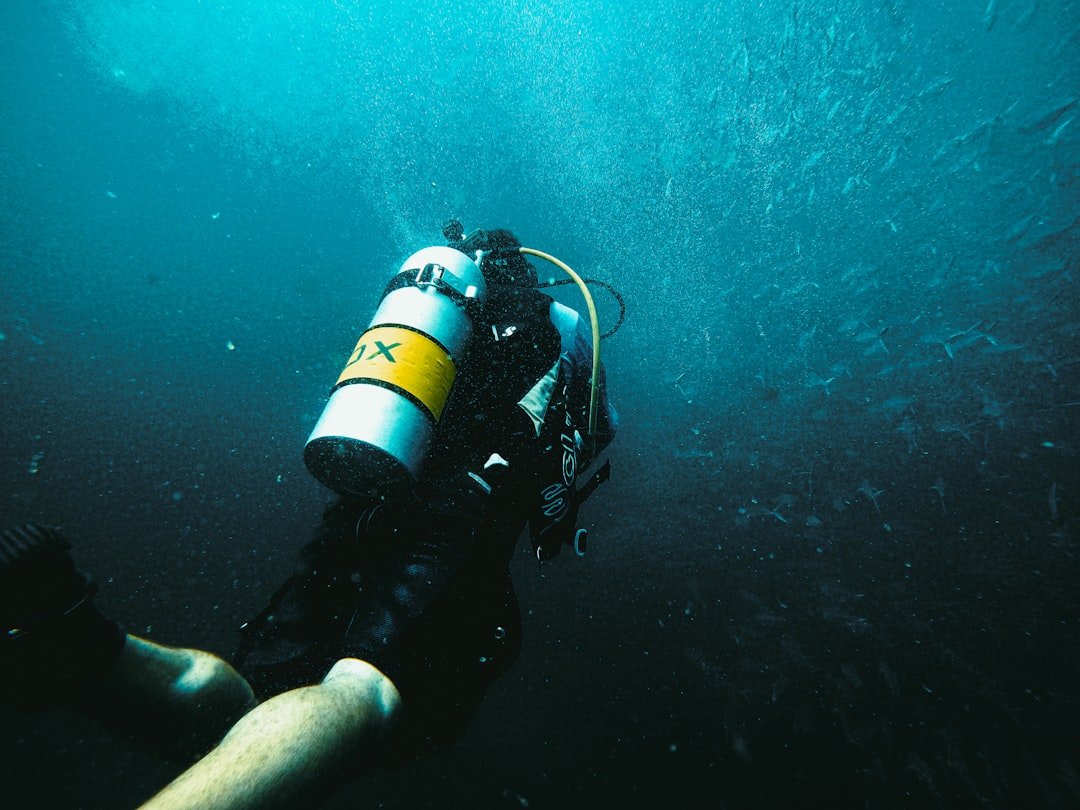
How to plan first scuba diving trip begins with one useful action: email two or three dive operators at the destination before you book flights. Ask whether their beginner dives match your certification, what the usual conditions are during your dates, and whether they supply rental gear in your sizes. Do that first. A reply tells you far more than glossy booking photos, especially when currents, visibility, boat travel, or seasonal weather could make a site a poor fit for a newly certified diver.
Build the trip around diving, not the other way around. Your course card, recent diving experience, comfort in the water, and the operator’s stated limits should guide the plan. Keep it simple.
Plan Around Your Diving Ability
Start with an honest snapshot of your current diving. Write down your certification level, number of logged dives, date of your last dive, and conditions you have actually experienced. A diver with four calm, warm-water training dives should not book a week of cold-water shore entries or drift dives simply because the destination looks appealing. Conditions matter.
Look for destinations and operators that regularly run easy, shallow dives with manageable entries and a clear briefing process. A sheltered reef, a short boat ride, and a guide-led group are often less stressful than a distant wreck or a site known for changing current. There is nothing inferior about choosing easy dives. It leaves mental capacity for buoyancy, equipment checks, equalizing, and enjoying the fish.
If you have not dived for several months, ask the operator whether they require or recommend a refresher before boat diving. Take that seriously. A refresher is not a substitute for training, but it can help you revisit basic skills with a certified professional before you are dealing with rental equipment and an unfamiliar site.
Tell the operator about relevant needs before paying a deposit. Mention your certification, approximate height and weight for rental sizing, last dive date, and whether you are comfortable in current or have only dived in a pool and sheltered water. Be direct. Also disclose any medical issue that might affect diving to a doctor familiar with dive medicine and to the operator where appropriate; neither an online checklist nor a gear purchase can clear someone to dive.
Choose dates, dives, and a realistic budget
Pick dates with enough slack around the diving days. Do not schedule a red-eye home immediately after your final dive because it is cheaper. Leave a buffer. Your training materials, dive computer guidance, and dive operator should determine your no-fly plan, particularly if profiles change or you make repetitive dives.
For many recreational itineraries, divers plan at least a full day between their last dive and flying, and some training guidance calls for longer intervals after repetitive or multi-day diving. Follow the most conservative applicable guidance you were taught and any requirement set by your operator. Do not treat a published interval as permission to exceed depth, time, ascent, or computer limits.
Price the trip in categories rather than chasing one headline package price. The dive package may exclude equipment rental, marine park fees, fuel surcharges, crew gratuities, transfers, certification checks, insurance, meals, and accommodation. Prices vary by region. Ask for the all-in estimate in writing before you compare operators.
Book dive days early in the trip when possible. If weather cancels a boat, you have another day to reschedule. This also gives you time to adapt to jet lag, sort rental-fit issues, or add a refresher if the first check-in makes you feel rusty. Flexibility is valuable.
Questions to send before booking
- Which sites do you normally use for divers with my certification and recent experience?
- What depth, current, surface conditions, and boat ride should I expect during my travel dates?
- How many divers are assigned to each guide, and are guided dives included?
- What rental items are included, and do you carry my likely BCD, wetsuit, and fin sizes?
- What happens if weather cancels dives or I cannot dive after a medical issue?
- Are park fees, transfers, taxes, and equipment rental included in the quoted price?
Read the cancellation terms before sending money. Travel insurance and dive insurance are separate products in many cases, and exclusions can be significant. Check the policy wording yourself, including evacuation arrangements, equipment coverage, and the activities it defines as covered.
Book the operator before the extras
A good beginner-friendly operator gives clear answers without pressuring you into a deeper site. Look for an established local business with current contact details, written policies, maintained rental equipment, and briefings that cover entry, descent, separation, emergency procedures, and local hazards. Ask how they decide when conditions are unsuitable. A vague answer is useful information.
Confirm logistics in one message after you reserve. Get the meeting time, exact meeting point, required documents, payment method, what to bring, expected return time, and whether lunch or drinking water is available. Save a screenshot offline. Mobile data can fail when you need directions most.
Accommodation location changes the whole trip. A hotel near the marina can save an early taxi and reduce the chance of missing a boat, while a place far away may be worth it only if transfers are reliable. Check the drive time at the actual morning departure hour. Maps can be optimistic.
Choose flights with luggage in mind if you bring equipment. A mask, computer, regulator, and camera gear are hard to replace at a remote destination, so many divers carry them in cabin baggage within airline limits. Check the airline’s current battery rules before packing lights, cameras, or power banks. Rules change.
Packing and booking checklist
Use this checklist once you have a confirmed operator and travel dates. Mark each item complete, then put documents and critical small gear in your carry-on rather than a checked bag. Keep it together.
| When | Booking and document task | Pack or confirm |
|---|---|---|
| Before paying | Confirm dive dates, included dives, cancellation terms, site suitability, rental availability, and total charges. | Certification card or digital proof, logbook access, travel and dive insurance details. |
| Two to four weeks out | Book accommodation, airport transfer, and any refresher. Check passport and entry requirements through official government sources. | Mask, snorkel, swimsuit, rash guard, reef-safe sun protection where required, and medications approved by your doctor. |
| One week out | Reconfirm meeting time, pickup point, payment balance, weather plan, and rental sizes. | Dive computer, regulator if bringing one, fin booties, surface marker buoy if trained and required locally, and spare mask strap. |
| Day before diving | Set alarms, charge devices, download maps, and avoid a late night that leaves you dehydrated or exhausted. | Water bottle, towel, dry bag, motion-sickness medication only if medically suitable for you, and cash if requested. |
Bring fewer unfamiliar items than you think. A first trip is a poor time to debut a new BCD, new fins, and a complicated camera setup all at once. If you own only one personal item, a properly fitting mask is usually the most useful place to start because fit affects comfort every minute underwater.
Pack gear that you can actually use
Rental gear can work very well when it is maintained and fitted carefully, but inspect it during check-in. Check that the BCD inflates and deflates normally, regulator hoses are intact, the alternate air source is accessible, weights are secure, and fins do not pinch your feet. Ask questions early. The dock is a bad place for surprises.
Try on the wetsuit before the boat leaves if possible. It should feel snug without restricting breathing or shoulder movement, and it should not allow large folds that flush cold water repeatedly. Water temperature alone does not tell you which exposure suit you need because wind, depth, dive duration, and individual cold tolerance all change comfort. Ask the operator what most guests use during your dates.
For a basic personal kit, prioritize items that fit your body or contain your dive information: mask, computer, snorkel if you use one, fin booties, and an exposure layer suited to the trip. Regulators are excellent personal gear once you know what fit and hose layout you prefer, but renting is reasonable for a first holiday dive trip. Get trained on any unfamiliar configuration before using it underwater.
Pack a small save-a-dive pouch for simple non-life-support items: spare mask strap, fin strap if your model uses one, anti-fog, microfiber cloth, and a few cable ties for surface repairs. Do not improvise repairs to life-support equipment. Have a qualified technician handle regulator or BCD faults.
Make the first dive day easy
Arrive early, hydrated, fed, and rested. Alcohol and diving do not mix well, and a hangover adds dehydration and poor judgment to a day that already demands attention. Skip it.
During the briefing, listen for the maximum depth, planned time, turn pressure, hand signals, entry method, current plan, and what to do if you are separated. Repeat anything you did not understand. Clear communication is normal, not embarrassing.
Use a slow pre-dive routine with your buddy and guide. Confirm weights, air supply, releases, inflator connection, computer settings, and where your alternate air source sits. Then pause. Rushing is how small omissions become a stressful surface problem.
Descend only when you can equalize comfortably. If your ears will not clear, signal, stop, and follow the procedure your training taught you rather than forcing it. Pain is a stop sign. See a doctor if ear symptoms persist after diving.
Stay close to the group and end the dive with plenty of reserve gas according to the briefing. Your computer and the plan set the limits. A shallow, calm 35-minute reef dive can be a better first holiday dive than a deeper site you remember mainly because you were anxious.
Frequently asked questions
How far ahead should I book my first scuba trip?
Book the dive operator as soon as your dates are reasonably firm, especially for small boats and popular holiday periods. A few months ahead is often comfortable. Keep flexible travel terms if weather is a concern.
Should I buy gear before my first dive vacation?
Buy a mask only after trying it on if you can, because a good seal is personal and no online review can confirm it. Renting the larger items keeps the first trip simpler. Use the saved money for suitable dives and insurance.
Can I dive on the day before a flight?
Possibly, but build your itinerary around the conservative no-fly guidance in your training and the operator’s plan. A full day without diving before flying gives useful margin for many recreational trips. Do not compress the interval to rescue a flight schedule.
What if I feel nervous on the boat?
Tell the guide before gearing up. That is enough. Ask for a slower setup, a reminder of the entry sequence, or an easier first site if the schedule allows; a certified professional can assess what support is appropriate.
Do I need a refresher after a long break?
Many operators ask for one after a specified period without diving, and it is a sensible choice if your basic skills feel fuzzy. Check their policy before booking. A refresher with a certified instructor helps you make a safer decision about the trip.
Related posts
This article is for general informational purposes only and is not dive training or medical advice. Always train with a certified instructor and consult a doctor before diving if you have any health concerns. Gear specs, pricing, site conditions, and operator schedules change, so verify current details directly with the manufacturer or dive operator.
Disclosure: This post may contain affiliate links. If you click through and make a purchase, we may earn a commission at no extra cost to you. We only recommend gear we’ve researched or genuinely believe in.