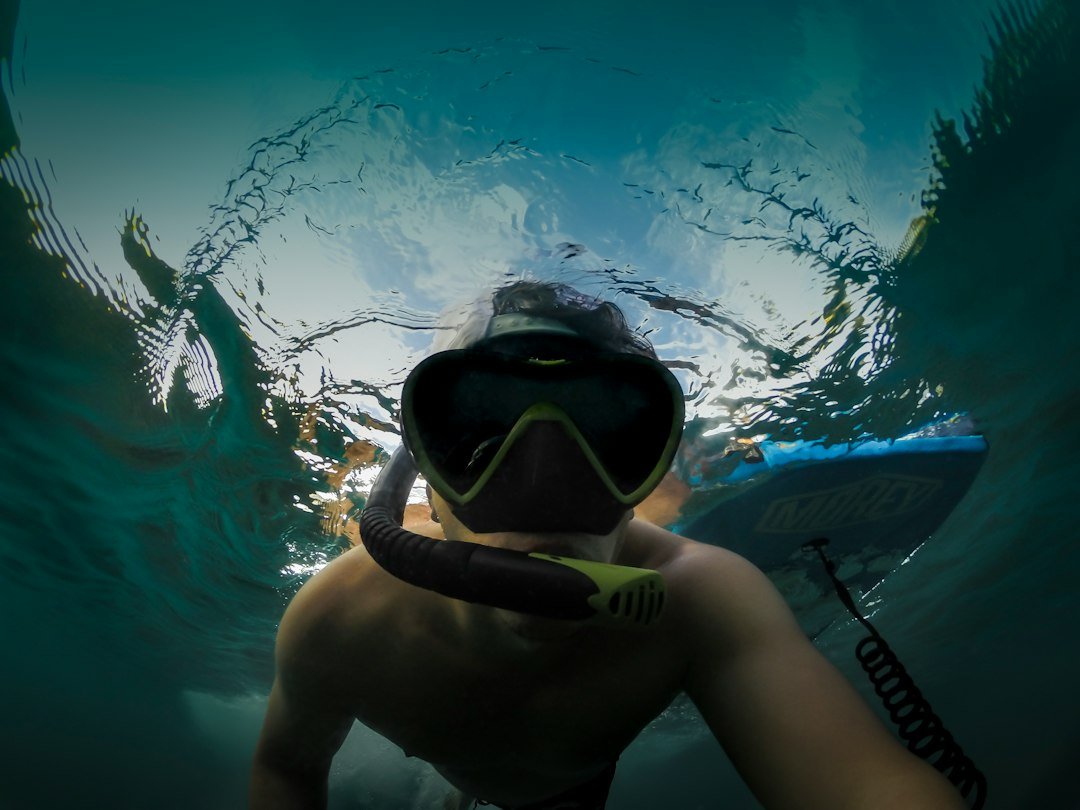
The best dive mask for glasses wearers is usually a standard, low-volume mask with a reliable seal when your uncorrected vision is good enough to read gauges, find your buddy, and navigate the dive safely. Fit comes first. If close-up text is the only problem, reader lenses or small stick-on magnifiers may mean no prescription lenses needed, while divers who cannot clearly see key information at normal diving distance should investigate corrective options with a certified instructor and eye-care professional.
Glasses cannot fit inside a normal scuba mask because the temples break the silicone skirt seal and allow water in. Leave them ashore. A useful mask decision starts with what you actually struggle to see underwater, because distance blur, age-related near-focus loss, astigmatism, and trouble reading a computer call for different solutions.
Choosing the best dive mask for glasses wearers
A mask does not improve eyesight by itself, but its lenses, internal volume, frame shape, and skirt can decide whether you enjoy the dive or spend it clearing leaks. The seal matters most. Clear lenses and a wide field of view can make an uncorrected diver feel less boxed in, yet neither one corrects a meaningful distance prescription.
Begin with an honest shore-side test using the type of information you need underwater. Keep it practical. Put a familiar dive computer or a printed gauge-sized card about the same distance from your face as it would be while swimming, then check whether you can read it in normal daylight without squinting or bringing it unrealistically close.
If you can read the display, identify your buddy, and see fins, line markers, and hand signals comfortably, you may not need optical correction in your mask. That is common. A high-quality standard mask is simpler, cheaper, and gives you more choices when replacing a lost or damaged mask.
If distance vision is blurry enough that a buddy, boat ladder, reef contour, or navigation reference is unclear, do not treat a wider lens as a substitute for correction. Vision is safety equipment. Discuss the issue with a dive professional and the clinician who manages your eyesight before relying on any underwater workaround.
When no prescription lenses are needed
The phrase no prescription lenses needed usually applies to divers with mild vision needs, those who wear glasses only for reading, or people who can dive comfortably without their normal correction. Near vision changes first for many adults. In that case, the main challenge may be checking gas pressure, camera controls, or the small digits on a computer rather than seeing the dive site.
Several mask makers sell models that accept small plus-power reader inserts, usually in common magnifications rather than a custom optical prescription. Check compatibility. TUSA, Cressi, Scubapro, and other established manufacturers have sold various prescription-ready mask lines, but the exact mask and lens combinations change, so confirm the current manufacturer listing before purchase.
Bonded magnifier segments are another route for a diver who only needs help with close work. They sit low in the lens. These small adhesive lenses resemble reading segments in glasses, leaving the upper part of the mask clear for normal distance viewing; placement takes care because a segment set too high can interfere with scanning ahead.
Reader inserts have real limits. They only magnify. They do not properly correct astigmatism, unequal prescriptions between eyes, prism needs, or distance blur, and an off-the-shelf magnification may feel wrong even when the number seems close to your reading glasses.
Contacts are an option some divers discuss with their eye-care professional, especially when they already wear soft lenses comfortably. Get advice first. Contact lenses can dry out, shift, or be lost during a flooded-mask drill, and rigid lenses can present separate comfort concerns with pressure changes, so this is a personal medical and diving decision rather than a universal recommendation.
Mask fit is more valuable than lens hype
A badly fitting corrective mask is still a bad mask. No exceptions. Water entering the skirt can blur vision, distract you during buoyancy control, and turn a minor visual issue into an annoying dive-long problem.
Try masks bare-faced at a dive shop when possible, without using the strap to force a seal. Hold the mask lightly against your face and inhale through your nose. A suitable skirt should stay in place briefly with gentle suction, while the nose pocket feels reachable and the frame does not press painfully across your brow or cheekbones.
Then look in several directions and simulate equalizing by pinching the nose pocket. Move around. The skirt must stay clear of the corners of your mouth, and it should not sit on hair, a deep moustache line, or skin folds that create repeat leaks when you smile.
Low-volume masks are often easier to clear and closer to the face, which can help peripheral awareness and reduce the amount of air needed for equalization. They feel compact. But a low-volume design can put a frame or lens edge too close to prominent brows or eyelashes, so a slightly larger mask that seals well is the better purchase.
Black silicone reduces side glare and can help some divers focus in bright water or when using lights. Clear silicone feels more open. Neither skirt color makes a mask objectively superior, and the better choice is the one that fits your face and suits the conditions you actually dive.
Lens types and realistic trade-offs
Tempered glass is the normal standard for recreational scuba masks because it is designed for diving use and handles ordinary wear better than cheap plastic lens material. Read the marking. Avoid using swim goggles or fashion goggles underwater, since they are not a replacement for a purpose-built scuba mask with a nose pocket.
Single-lens masks give an uninterrupted view through the center and can work well with stick-on readers. They are simple. Their broader pane may suit some faces, although the lens can sit farther forward than a compact two-window design.
Two-lens masks commonly accept replaceable corrective lenses because each side can be swapped independently. This helps. A diver with different correction in each eye may have more flexibility than with a single-pane mask, though the frame bridge creates a small central divider and lens availability can limit your final choice.
Some masks use bonded custom lenses made by an optical specialist rather than manufacturer-made drop-in lenses. Expect more cost. This route can address prescriptions that standard inserts cannot, but it may take longer, require sending the mask away, and make replacement after loss or damage more expensive.
Do not buy based on a claimed panoramic view alone. Test it. Visibility also depends on lens distance from your eyes, frame thickness, skirt shape, ambient light, hood fit, and the way you naturally hold your head underwater.
Models worth researching
For divers who want interchangeable optical lenses, research two-window masks with a current official corrective-lens system rather than selecting a mask first and hoping lenses exist later. Match the system first. TUSA’s Freedom and M-1001 family, Cressi’s Focus-style optical-mask range, and several Scubapro two-window models have commonly appeared in corrective-mask discussions, but individual versions and lens stocks vary by market.
If you do not need distance correction, research a standard mask with soft silicone, tempered glass, and a shape that suits your face rather than paying extra for an optical frame. Spend on fit. Popular general-purpose models from major brands can be excellent, yet no online recommendation can tell you whether the skirt will seal under your cheekbones.
For reading-only needs, compare a reader-ready mask against a standard single-lens mask plus properly placed bonded magnifiers. Keep expectations modest. Factory reader inserts look tidier and are easier to replace, while bonded segments can be less expensive and work with more masks, but both require testing before a trip.
Prices vary by region. A basic tempered-glass mask often costs less than an optical setup, while a mask with replaceable lenses, reader segments, or custom bonded correction can add a noticeable amount once the mask and both lenses are included. Check the full package cost, return policy, spare-lens availability, and whether the retailer accepts a mask that has had adhesive magnifiers fitted.
A simple buying process
- Define the vision task. Decide whether you need distance clarity, close-up computer readability, or both. Be specific.
- Test uncorrected vision honestly. Read your computer at normal arm position and identify dive-relevant objects at distance before deciding that correction is unnecessary.
- Choose the correction category. Select standard lenses, reader inserts, bonded magnifiers, contacts discussed with your clinician, or a custom optical solution based on that test.
- Fit several masks. Check seal, nose access, eyelash clearance, peripheral view, and comfort without overtightening the strap.
- Practice before travel. Use the complete setup in confined water, including mask clearing and removal, with a certified instructor if you are learning those skills.
Bring a backup plan on trips. It is sensible. That may be a second ordinary mask, a spare reader insert, or a backup set of the vision correction you normally use, depending on your needs and baggage limits.
FAQ
Can I dive wearing my regular glasses?
No. Glasses arms prevent a proper mask seal, and a leaking mask quickly becomes distracting underwater. Use a mask solution instead. If you depend on glasses for safe distance vision, seek individualized advice before diving without correction.
Can I use reading lenses in a dive mask?
Yes, if your distance vision is adequate and the issue is reading small nearby displays. They are limited. Reader lenses use generic plus powers and may not suit people with astigmatism, different needs in each eye, or any distance-vision requirement.
How do I choose reader magnification for my mask?
Start with the weakest magnification that lets you clearly read your computer at its normal underwater distance. Test before travel. A stronger lens is not automatically better because it narrows the comfortable focus distance and can make nearby gear look distorted or distracting.
Are prescription mask lenses safer than contacts?
Neither choice is automatically safer for every person. Prescription mask lenses stay attached to the mask but can be costly and mask-specific, while contacts have their own loss and comfort considerations. An eye-care professional and a certified dive instructor can help you assess the practical issues for your situation.
Should I buy a backup dive mask?
A backup mask is useful on many dive trips, especially if your primary mask has corrective lenses or reader segments that would be difficult to replace locally. Keep it simple. Practice using it in controlled water so it is familiar if your primary mask is lost or damaged.
Related posts
This article is for general informational purposes only and is not dive training or medical advice. Always train with a certified instructor and consult a doctor before diving if you have any health concerns. Gear specs, pricing, site conditions, and operator schedules change, so verify current details directly with the manufacturer or dive operator.
Disclosure: This post may contain affiliate links. If you click through and make a purchase, we may earn a commission at no extra cost to you. We only recommend gear we’ve researched or genuinely believe in.