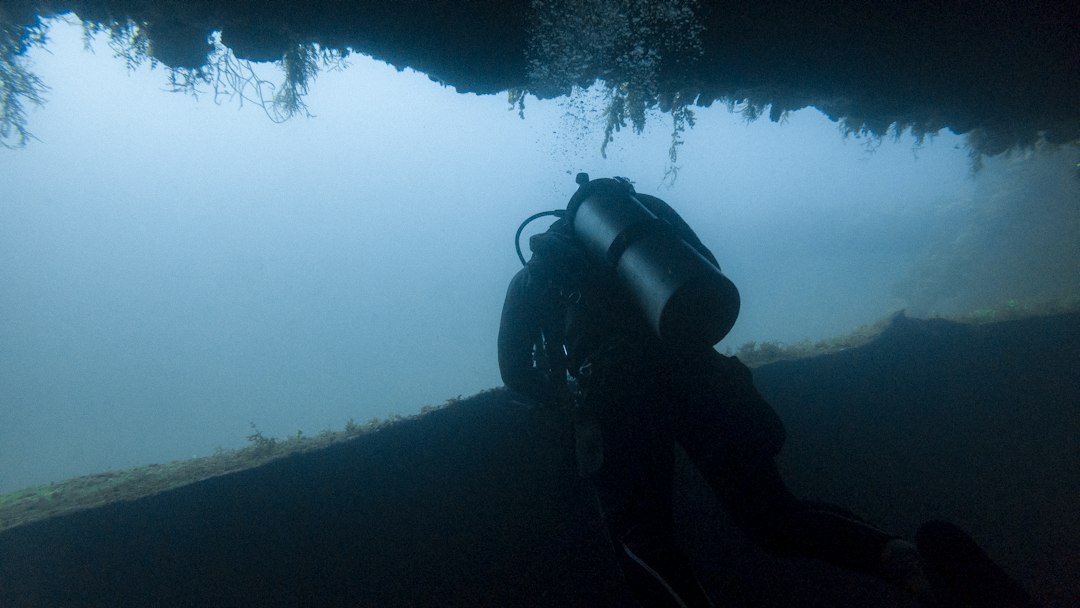
The best scuba fins for underwater photographers are usually medium-stiff paddle or technical-style fins that give controlled propulsion without forcing large kicks near reefs. For stability and control, the best scuba fins for underwater photographers let you hold position, reverse gently, and adjust trim without stirring sand into your own shot.
A camera rig changes the equation because it occupies both hands, adds drag, and often pulls the diver slightly head-down or foot-down depending on housing, strobes, arms, and buoyancy floats. A fin that feels fast on a relaxed holiday dive may feel vague when you are trying to frame a small subject in mild current while keeping your knees, hoses, and fin tips away from coral, where small corrections count.
Research-based shortlists commonly put fins such as the Scubapro Jet Fin, Apeks RK3, Mares Avanti Quattro+, OMS Slipstream, and Dive Rite XT on photographers’ comparison lists, but there is no universal winner. Foot shape, drysuit versus wetsuit use, current, leg strength, and travel baggage limits all affect the right choice. Try before buying if possible.
Best scuba fins for underwater photographers and stable shooting
For most recreational photographers, a fin with a firm but not punishing blade is the sensible starting point. You need enough resistance to make a slow frog kick useful, enough blade response for a back kick or helicopter turn, and enough comfort that you still have good ankle control late in the dive. A very soft fin can work in calm water, but it may struggle when your camera setup adds drag.
Traditional rubber paddle fins are popular because their response is direct and repeatable. They are often negative in the water, which can help divers whose feet float up in a drysuit or thick neoprene boots, though that same trait may worsen a foot-heavy trim problem. Although their weight can be useful underwater, carrying a pair through airports is less fun.
Plastic or composite open-heel fins generally weigh less and may feel more lively during a flutter kick. Models with channeling, ribs, or a hinged blade can reduce the effort needed for forward propulsion, but their feel varies sharply between designs. Do not assume visual blade technology guarantees precise low-speed control, since performance in the water is what matters.
Split fins have dedicated fans, especially divers who want easy cruising and reduced leg strain. Their trade-off for photographers is that some split designs feel less authoritative during reverse kicks, tight pivot turns, and strong current work. That does not make them bad fins, but it makes them a less obvious first choice for close reef, muck, or wreck photography.
Choose blade stiffness before brand
Blade stiffness is the most useful comparison point because it changes how much force you need and how accurately the fin reacts. Soft fins demand less effort during a gentle flutter kick, but they can flex away some of the force you intended to use. Stiff fins answer quickly, though they can also punish poor technique or tired calves.
| Fin type | Best photography use | Main advantage | Likely trade-off |
|---|---|---|---|
| Soft paddle or channel fin | Warm, calm reef dives | Easy cruising and lower leg load | Less authority in current or reverse kicks |
| Medium-stiff paddle fin | Most recreational camera diving | Balanced thrust, frog kick control, trim response | May feel heavy over long surface walks |
| Stiff rubber technical fin | Current, drysuit, larger camera rigs | Strong directional control and durable construction | More weight and greater leg demand |
| Split fin | Easy cruising in low current | Comfortable forward flutter kicking | Often less useful for backing and pivoting |
A medium-stiff blade is the safer default for a photographer who dives a conventional single cylinder and compact or mid-sized camera housing. It has enough reserve to hold position when a small current appears, yet it does not require the long, hard kick that can make fine framing difficult, making the middle a sensible place to start.
Go stiffer if you regularly dive in current, wear a drysuit, use thick boots, carry a large housing with long strobe arms, or already know that you prefer a compact frog kick. A stiffer fin will not repair poor buoyancy or trim; certified instruction and practice do that, while the fin can make good technique easier to apply.
Choose softer only when your dives are mostly warm water, calm sites, short swims, and modest camera gear, or when leg fatigue is a known concern. Divers with knee, hip, ankle, or circulation concerns should discuss diving and equipment choices with a doctor and work on kicking technique with a certified instructor.
Why kick control matters around subjects
Underwater photographers need propulsion in several directions, not only forward speed. A careful frog kick reduces the downward wash that sends sand over a goby, nudibranch, or coral scene. A back kick gives you room when your dome port gets too close. A helicopter turn can line up a composition without moving your whole body forward.
These skills require training and deliberate practice, especially near living reef. Fins influence how clearly you feel each correction, but no fin makes a diver automatically able to hover safely beside a subject. Build the skill away from fragile bottom first, using a sandy training area if available.
Shorter, wider paddle fins often feel easier to place precisely than long flexible blades because there is less delayed movement after you stop kicking. Long blades can be efficient for covering distance, yet they can also increase the chance of accidentally touching a reef or another diver in cramped terrain, including caves and wrecks.
For macro photography, think about the last meter rather than the first hundred meters. You may spend several minutes nearly motionless, then need a tiny adjustment to counter a surge or shift your shooting angle. A fin with consistent resistance gives useful feedback through the ankles and knees, which is valuable when making those small adjustments.
Open heel, full foot, and fit
Open-heel fins with adjustable straps are the practical choice for most photographers using boots, varied exposure protection, shore entries, or colder water. They accept neoprene boots and generally offer more flexibility when conditions change. Fit comes first, because a premium fin that squeezes the forefoot is still a bad purchase.
Full-foot fins are lighter and can work well for warm-water boat diving with thin socks or bare feet. They are less adaptable if you switch to boots, need thermal protection, or have to walk across sharp shore entries. They also demand close sizing because a loose pocket wastes control.
When trying open-heel fins, wear the exact boot thickness you use most often. Your toes should not curl, the heel should stay seated through a frog-kick motion, and the side of the pocket should not pinch your foot. Check both feet, as many divers have one larger foot.
Spring straps are convenient and durable, particularly with gloves or on rolling boat decks. Rubber straps can still work well and are simple to replace, but inspect them before trips. Because a broken strap ends a dive quickly, carrying a compatible spare is sensible.
How popular fin options compare
Model names, materials, stiffness, pockets, and availability can change between versions and markets. Before buying any specific fin discussed below, verify the current manufacturer specifications, sizing chart, and compatibility with your boots and exposure suit.
The Scubapro Jet Fin is a classic heavy rubber design often researched by divers who want a compact, powerful paddle fin for frog kicking, drysuit diving, and demanding conditions. Its dense rubber construction and firm feel can help foot-light divers, but the weight may not suit frequent air travel or photographers who get calf fatigue. Buy it because it fits your diving, not because it is famous.
For divers seeking a rubber technical-style fin with a somewhat more flexible feel than some traditional heavy paddle designs, the Apeks RK3 is commonly considered. Its pocket fit deserves particular attention: a roomy pocket may suit thick boots but feel sloppy with thin tropical footwear.
If packing weight is a priority, the OMS Slipstream is another lightweight rubber-style option often compared with traditional technical fins. Research discussions frequently describe it as easier to pack than heavier rubber designs while retaining a broad paddle profile suitable for controlled kicks. Test it with your normal boots and exposure suit, since individual stiffness perception varies.
Divers who want a firm, compact fin for technical-style propulsion techniques often shortlist the Dive Rite XT. For camera divers, its appeal lies in predictable response during frog kicks and reverse movements with a more substantial equipment configuration, though it may feel excessive for relaxed tropical flutter-kicking. Let your usual site guide the decision.
The Mares Avanti Quattro+ takes a different approach as a well-known channel-style paddle fin researched for strong forward propulsion and general versatility. It can suit photographers who mix longer swims with occasional image work, although some divers prefer a compact rubber fin when precise backward movement is their top priority. Neither approach is automatically better; match the fin to your actual dives.
A practical way to test fins
If a shop, dive club, or rental operation offers demos, test fins during an ordinary dive rather than only kicking across a pool. Pools reveal fit problems, while open water reveals trim, current response, and fatigue.
- Wear your normal boots, wetsuit or drysuit, and weighting setup.
- Hover horizontally at a safe distance above a sandy bottom.
- Make five slow frog kicks, then stop and notice whether the fin carries you farther than expected.
- Try a gentle backward movement and a quarter-turn pivot without using your hands.
- Swim for several minutes at your normal pace, then repeat the slow-control test when your legs are tired.
A good result is not maximum speed. You want to stop where you intend, maintain level trim, and avoid ankle pain or cramped toes. If a fin works only when you kick hard, it may be the wrong tool for careful image-making, where precision beats power.
Budget, travel weight, and realistic trade-offs
Entry-level open-heel fins can be suitable for a new photographer in calm water, particularly if the fit is excellent and the blade is not overly soft. Higher-priced rubber or technical-style fins may offer durable materials, replacement parts, and a more specific kick feel, but price alone does not guarantee comfort or better images. Prices vary by region. Verify current specifications, sizing charts, and return policies directly with the manufacturer or retailer.
For fly-in dive travel, weigh the fins rather than trusting a product description or an online discussion. A difference of a few pounds in checked baggage is noticeable once you add a housing, strobes, arms, chargers, and exposure protection. Lightweight fins reduce luggage stress, while heavy fins may improve your in-water trim.
Consider buying one versatile pair before building a collection for every destination. A medium-stiff open-heel paddle fin, correctly sized with quality boots, is usually the most flexible purchase for photographers who alternate between reefs, shore dives, and modest current. Add a specialized heavy fin later if your diving changes, since your logbook will show when that need arises.
FAQ
Are stiff fins better for underwater photography?
Stiff fins are better only when you need their extra control and thrust, such as in current, a drysuit, or with a larger camera setup. For warm calm dives, a medium-stiff fin often gives cleaner control with less fatigue. Stronger is not always finer.
Can I use split fins for photography?
Yes, especially for easy forward swimming in calm water. Many photographers prefer paddle fins because reverse kicks, frog kicks, and precise position changes can feel more direct, but skill and buoyancy remain more important than fin type. Practice away from coral.
Should my fins be negatively buoyant?
Negative fins can help if your feet rise during a horizontal hover, which is common for some drysuit divers or divers in buoyant boots. If you already have heavy feet, they can make trim worse and increase leg effort. Check your trim underwater before changing gear.
What fin length is safest near reefs?
A shorter to medium-length fin is often easier to keep clear of reef structures, other divers, and silty bottoms when you are focused through a viewfinder. No length removes the need for careful buoyancy and situational awareness. Keep distance first.
Related posts
This article is for general informational purposes only and is not dive training or medical advice. Always train with a certified instructor and consult a doctor before diving if you have any health concerns. Gear specs, pricing, site conditions, and operator schedules change, so verify current details directly with the manufacturer or dive operator.
Disclosure: This post may contain affiliate links. If you click through and make a purchase, we may earn a commission at no extra cost to you. We only recommend gear we’ve researched or genuinely believe in.