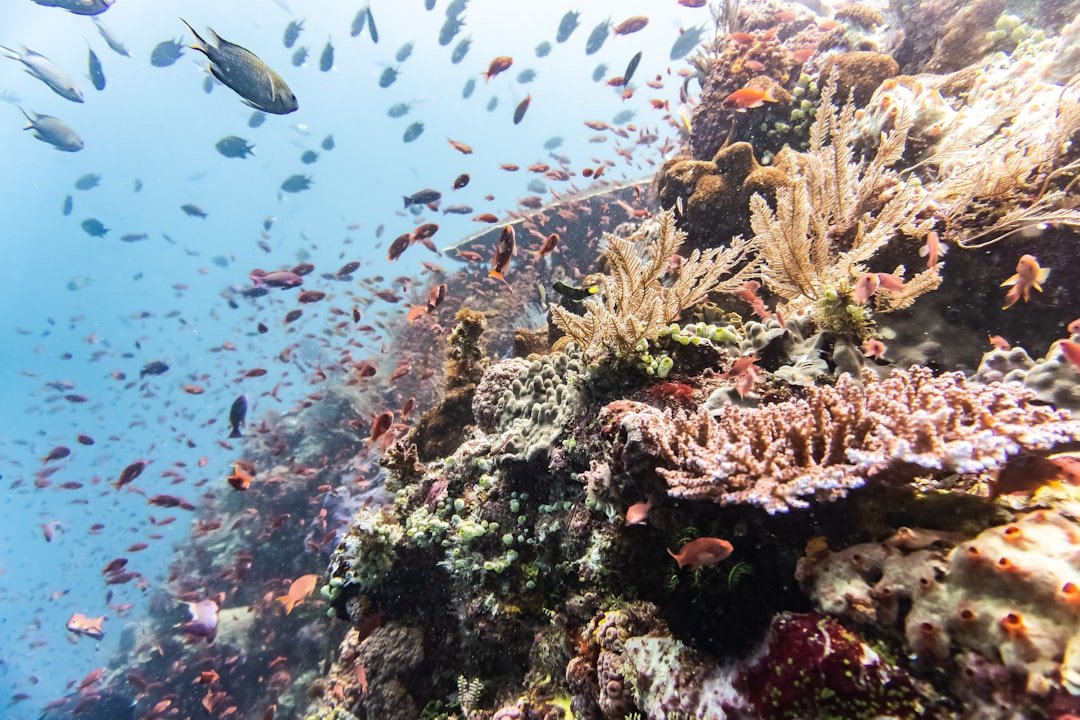
The best diving season in Indonesia is not one fixed window: April through November usually suits Komodo, Bali, the Gilis, and Alor, while October through April is often the smoother choice for Raja Ampat. There is no single answer. Indonesia spans thousands of islands across several weather systems, so a rainy month in one area can be a very good dive month somewhere else.
My practical starting point is simple. Pick the destination first, then choose the month around what you want underwater and how much surface chop you are happy to handle. A calm boat ride matters. Many divers focus on visibility alone, but wind, current, water temperature, ferry reliability, and whether a liveaboard route is operating can affect the trip just as much.
Best diving season in Indonesia by region
The central islands generally follow a drier pattern between about April and November, although local weather always has the final say. Raja Ampat is different. Its wetter months can still bring excellent diving, and its sheltered areas often make October through April appealing when Komodo’s southern routes may have rougher crossings or reduced boat schedules.
Komodo has strong currents all year. Bali and Nusa Penida can have cool water and surge during the southeast trade-wind season, even on an otherwise sunny day. Raja Ampat can have rain during a calm surface interval. Conditions change fast, so ask an operator about their current route, recent visibility, typical water temperature, and whether the sites match your certification and current-diving experience.
| Month | Where to consider | What usually shapes the trip |
|---|---|---|
| January | Raja Ampat, Lembeh | Raja Ampat often has calmer seas; central Indonesia may be wetter and windier. |
| February | Raja Ampat, Lembeh | Good period for Raja Ampat liveaboards, though rain remains possible. |
| March | Raja Ampat, Lembeh, Bali | Raja Ampat remains a solid choice; Bali weather often starts settling later in the month. |
| April | Komodo, Bali, Gili Islands, Raja Ampat | Useful crossover month, with expanding options across the country. |
| May | Komodo, Bali, Alor, Gili Islands | Drier conditions often arrive in central and eastern areas; book popular boats early. |
| June | Komodo, Bali, Nusa Penida, Alor | Strong visibility can occur, but wind, cooler water, and current exposure increase at some sites. |
| July | Komodo, Bali, Gili Islands, Alor | Dry-season travel is popular; Nusa Penida may offer cooler conditions and pelagic possibilities. |
| August | Komodo, Bali, Alor, Banda Sea | Excellent season for many routes, with busy boats and potentially brisk water in exposed locations. |
| September | Komodo, Alor, Banda Sea | Often a strong month for eastern itineraries and Banda crossings, subject to operator schedules. |
| October | Komodo, Raja Ampat, Banda Sea | A transition month with broad choice; rain can begin in central regions while Raja Ampat improves. |
| November | Raja Ampat, Lembeh, Komodo | Raja Ampat season is underway; Komodo can still dive well before wetter weather builds. |
| December | Raja Ampat, Lembeh | Choose sheltered northern and eastern destinations, and allow flexibility for weather delays. |
Month by month guide for Indonesian dive trips
January and February
These are the months I would first examine for Raja Ampat. Many liveaboards operate regularly, seas can be relatively manageable, and the reefs are productive, although tropical rain showers are normal. Pack a light rain layer. Water temperature is commonly warm enough for a 3 mm wetsuit for many divers, but personal comfort varies and long repetitive dives can still leave you chilled.
Central Indonesia can be less predictable at this time. Komodo and the Gili Islands may have rain, wind, reduced visibility after runoff, or changed schedules, especially on open-water crossings. That does not mean diving stops. It means a land-based plan with extra days gives you more flexibility than a tightly timed itinerary.
March and April
March is a bridge month. Raja Ampat remains attractive, while Bali and parts of central Indonesia often begin their shift toward drier weather. April is one of the most flexible months in the country because you can find workable options in both broad seasonal zones, although no one can promise flat seas or clear water on a particular week.
If you are choosing your first Indonesian current-diving trip, April can be a sensible time to look at Komodo or Nusa Penida with an operator that groups divers by experience. Ask direct questions. Find out whether they use a negative entry, how they handle missed pickups, and whether the day plan has gentler sites available if conditions rise.
May and June
May and June are popular for Komodo, Bali, the Gili Islands, and Alor because the dry-season pattern is more established. The weather can feel easier on land. Visibility is often good, though it is never guaranteed, and the ocean can become more energetic around exposed headlands, channels, and pinnacles.
For Bali, this is a useful period for reef diving around Amed and Tulamben, while Nusa Penida often draws divers interested in mantas and larger-water encounters. Conditions can be demanding. Nusa Penida is also known for cold upwellings, current, and surge, so a thicker exposure suit than your usual tropical setup may be welcome, especially if you run cold.
July and August
July and August are high-demand months. Expect more travelers, fuller boats, and higher prices in popular areas. Prices vary by region. Book flights, accommodations, and liveaboard spaces earlier than you might for a shoulder-season trip, particularly if your dates cannot move.
These months work well for many central and eastern routes, including Komodo and Alor, but dry weather does not automatically mean gentle diving. Wind can push surface chop onto the boat route, and tidal movement can make a familiar site feel very different. A dive computer and a calm briefing do not replace current-diving training. Divers who have not learned drift entries, rapid descents, and separation procedures should choose easier sites or get proper training first.
September and October
September is often a strong month for Komodo, Alor, and some Banda Sea itineraries. The Banda Sea is especially seasonal because liveaboards move through remote crossings rather than operating one fixed day-boat schedule. Check the exact itinerary. A vessel may visit an island in September but not return until the following year.
October offers another useful crossover. Komodo can still be very good, while Raja Ampat enters its commonly favored season. For a diver trying to choose between the two, I would lean toward Komodo for high-energy current and reef action, then Raja Ampat for a route where lush reefs, fish density, and sheltered bay diving are higher priorities.
November and December
By November, Raja Ampat becomes a leading option again. Rain is part of the environment, but it often comes in bursts rather than ruining every dive day. Good operators adjust site selection around wind direction, tides, and guest experience. Flexibility helps.
Komodo can still deliver enjoyable dives in November and December, especially on a short land-based stay with room to reschedule, but weather patterns are shifting. If your trip has only a few diving days and you want the best odds of a straightforward seasonal match, Raja Ampat or Lembeh is usually easier to plan around at this point.
Choose the season by marine life
Indonesia is rich year-round, so avoid building a trip around a promise that a particular animal will appear on a particular dive. Wildlife moves. Manta rays are encountered in several regions, with Komodo and Nusa Penida among the better-known places, but local plankton, currents, cleaning activity, and site access affect sightings.
Nusa Penida is often associated with ocean sunfish, commonly called mola mola, during the cooler-water period that can occur roughly in the middle of the year. That is an advanced-style dive environment. The fish may be deep, current can be strong, and a sighting is never worth exceeding your training, gas plan, no-decompression limits, or guide instructions.
For macro subjects, Lembeh and nearby North Sulawesi diving can work in any month, with site choice and conditions mattering more than a strict dry-season label. For schooling fish and reefs, Raja Ampat, Komodo, and Alor all have strong reputations, but each asks different things of divers. Read recent trip reports carefully, then treat them as clues rather than guarantees.
A practical way to pick your dates
- Choose one priority: wide-angle reefs, macro photography, manta encounters, or a liveaboard crossing. Keep it focused.
- Match that priority to a region’s normal operating season, then select two possible date windows rather than one fixed week.
- Check the operator’s latest schedule and ask about expected water temperature, current level, boat travel time, and backup sites.
- Compare the itinerary against your logged experience honestly, especially for Komodo, Nusa Penida, Alor, and remote liveaboard routes.
- Add a weather buffer before an international flight home if your plan includes remote islands, domestic connections, or an overnight boat.
Here is a simple example. If you have ten days in August and want reefs with a mix of relaxed and current-exposed dives, start with Bali plus the Gili Islands, or choose a carefully screened Komodo trip if your experience fits. If you have ten days in January and want a liveaboard, compare Raja Ampat itineraries first. The seasonal fit is clearer.
FAQ
What is the best overall month to dive Indonesia?
April and October are often the most flexible overall months because they overlap seasonal transitions and give you more regional choices. They are not magic months. Your best option still depends on whether you are heading to Raja Ampat, Komodo, Bali, Alor, Lembeh, or the Banda Sea.
Can beginners dive in Indonesia?
Yes, but destination and daily site selection matter a lot. Bali, the Gili Islands, and sheltered parts of Raja Ampat can offer suitable diving with the right operator, while certain Komodo, Nusa Penida, and Alor sites demand stronger current skills. Tell the operator your certification, recent dives, and comfort level before booking. Be candid.
When is the water warmest?
Many Indonesian destinations have warm tropical water for much of the year, but local upwelling can make places such as Nusa Penida noticeably colder during the dry season. Bring exposure protection based on the operator’s current temperature guidance and your own cold tolerance. Long dives add up.
Is rainy season a bad time to dive Indonesia?
No. Rainy season is regional, and rain alone does not decide underwater conditions. Raja Ampat is a good example because many divers visit during months that are wetter on land but often calmer at sea. Heavy runoff, wind, and boat logistics are the factors to ask about.
How far ahead should I book an Indonesian dive trip?
For July, August, holiday periods, and popular liveaboards, several months of planning gives you more choice. Short-notice deals sometimes appear. They can work well if you are flexible about cabin type, route, and exact departure date.
Related posts
This article is for general informational purposes only and is not dive training or medical advice. Always train with a certified instructor and consult a doctor before diving if you have any health concerns. Gear specs, pricing, site conditions, and operator schedules change, so verify current details directly with the manufacturer or dive operator.
Disclosure: This post may contain affiliate links. If you click through and make a purchase, we may earn a commission at no extra cost to you. We only recommend gear we’ve researched or genuinely believe in.