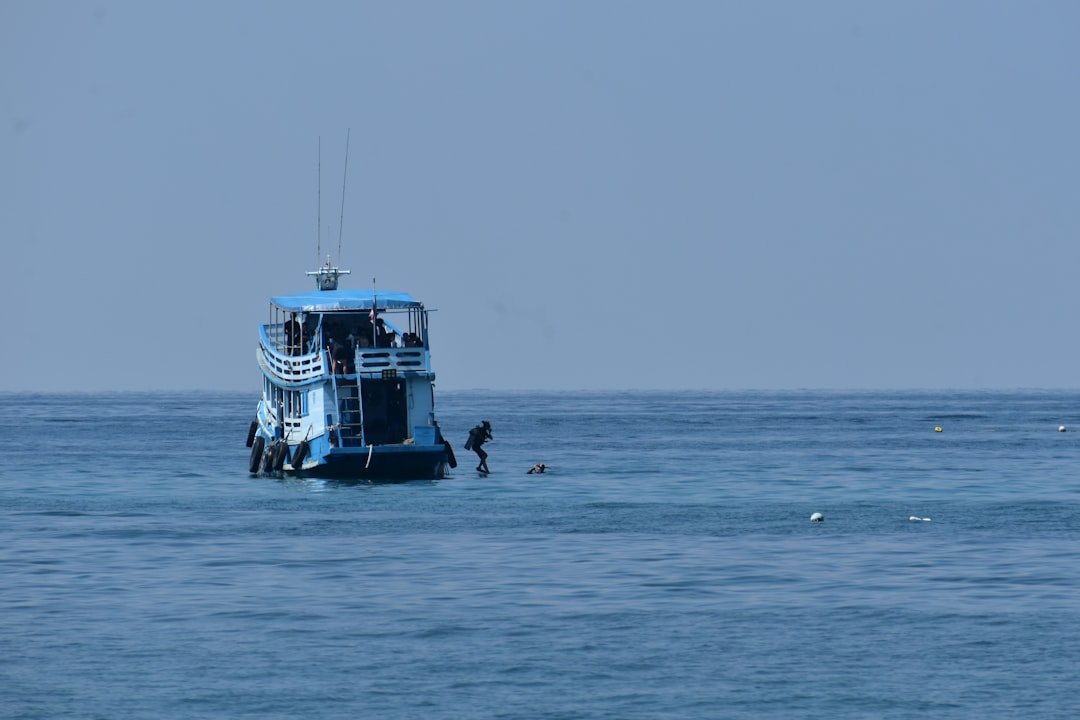
A common misconception is that the best liveaboard for shark diving is simply the boat that promises the most sharks. It is not. The best liveaboard for shark diving is the one whose itinerary matches the species, season, sea conditions, and diving workload you can genuinely handle, with an operator that publishes clear safety procedures and realistic expectations.
Shark encounters are wild-animal encounters. No responsible liveaboard can guarantee them. A boat may visit a famous cleaning station or seamount, yet current, visibility, weather, water temperature, and animal movement still decide what happens during a specific week.
For purchase-focused research, start with the destination before comparing cabins, menus, or marketing photos. This matters most. A newer vessel can make a long crossing more comfortable, but it cannot turn a poor seasonal match into a good shark itinerary.
How to choose the best liveaboard for shark diving
Begin with the shark encounter you actually want. Hammerhead-focused trips often involve deep blue-water descents, current, and early starts near offshore seamounts. Tiger shark trips may use shallower sites but can involve baited diving, close animal passes, and specific local protocols. Whale shark routes are usually less demanding underwater, though surface conditions and timing still matter.
Read the full itinerary, not the headline. A seven-night cruise with four nights at a shark site is different from a cruise that lists sharks among many possible marine-life sightings. Look for the number of scheduled dives at the key location, transit days, alternate sites, and whether weather can force a major routing change.
Experience requirements deserve close attention. Many shark liveaboard itineraries ask for a logged-dive minimum, recent diving, nitrox certification, or documented experience in current and negative entries. Those rules are often practical rather than exclusionary. A demanding blue-water descent can become stressful fast when a diver is rusty, overweighted, or uncomfortable descending without a surface reference.
Ask how the operator verifies experience. Good questions include whether a checkout dive is required, whether guides split groups by ability, whether reef hooks are used, and what happens if conditions exceed a guest’s comfort level. Get answers in writing. A certified instructor can help you build the skills an itinerary requires, but a booking page is not training.
Boat size changes the trip. Smaller vessels may carry fewer guests and reach remote sites with a quieter onboard feel, yet cabins can be compact and crossings can feel more physical. Larger liveaboards usually have more indoor space and steadier platforms, although dive decks may be busier and group logistics can take longer.
Cabin selection is more than luxury. Choose a lower-deck cabin if you can sleep through engine noise and want the lower price, but ask about ventilation, bathroom layout, and proximity to compressors or the galley. An upper-deck cabin may cost more. It can be a sensible upgrade if motion sickness, poor sleep, or a long multi-day crossing is a concern.
Research the dive deck closely. Check how many divers share a guide, whether tanks stay assigned, the entry method, camera setup space, rental availability, and whether nitrox is included or charged separately. Small details count. A shark trip with four dives a day can expose awkward deck layout, slow fill procedures, and limited rinse space very quickly.
Top rated trips by shark goal
“Top rated” should mean consistently suitable for a defined type of diver, rather than the highest star number on one review platform. Reviews can be useful. Compare recent detailed reviews on diving-focused booking and review sites such as Liveaboard.com and PADI Travel, then check the operator’s recent trip reports and independent Google reviews. Read the newest detailed comments and separate complaints about weather, which no operator controls, from recurring concerns about maintenance, guide conduct, food hygiene, crowding, or skipped dives.
Examples commonly considered by shark-focused divers include Nautilus Liveaboards and Solmar V for Socorro, Sea Hunter and Okeanos Aggressor for Cocos, and Galapagos Aggressor for Galapagos. These are examples to research rather than universal rankings: compare the specific vessel, itinerary, departure date, and most recent guest feedback, since ownership, crew, maintenance, and routing can change.
| Trip style | Typical shark draw | Conditions to expect | Best fit |
|---|---|---|---|
| Socorro or Revillagigedo-style crossing, such as Nautilus Liveaboards or Solmar V itineraries | Oceanic mantas, dolphins, several shark species, occasional large pelagics | Long open-ocean travel, changing swell, cool-to-warm water by season | Comfortable divers who accept weather-driven routing |
| Cocos-style remote expedition, such as Sea Hunter or Okeanos Aggressor itineraries | Scalloped hammerhead schools, Galapagos sharks, silver tips | Long crossings, current, deep profiles, demanding schedules | Experienced divers with current and blue-water confidence |
| Maldives atoll route | Whale sharks, reef sharks, nurse sharks, hammerheads on selected routes | Atoll channels, drift diving, monsoon-dependent visibility | Divers seeking variety and manageable travel logistics |
| Bahamas shark itinerary | Caribbean reef sharks, tiger sharks on selected seasonal routes | Often warm water, shallow sites, local rules around baited dives | Divers who want species-focused days without major crossings |
| Galapagos expedition route, such as Galapagos Aggressor itineraries | Hammerheads, Galapagos sharks, whale sharks in season | Cool currents, surge, remote travel, variable visibility | Experienced divers who can manage challenging conditions |
Remote eastern Pacific trips attract divers for good reason, but they come with real trade-offs. The boat may spend a large portion of the itinerary travelling, seas can be rough, and the diving can be physically tiring even when the water looks calm. These are not casual holiday dives. Check the operator’s stated experience standard and be honest about whether your recent dives match it.
Maldives routes can offer a broader marine-life mix and shorter transfers between many sites, depending on the itinerary. The trade-off is that shark encounters may be less singularly focused than a dedicated hammerhead expedition. Current can still be serious. Channel entries, changing tides, and boat traffic require solid buoyancy and situational awareness.
Bahamas itineraries often appeal to divers who want warm water and extended time around reef sharks or tiger sharks. Local practices differ by island and operator. Read exactly how encounters are conducted, whether feeding is involved, where divers are positioned, and what behavior rules apply to cameras, hands, fins, and distance.
Galapagos trips combine sharks with sea lions, rays, fish life, and dramatic volcanic scenery underwater. They are expensive. They also commonly involve cool water, strong current, and itinerary changes tied to sea state or park rules, so the right buyer is someone who values the overall expedition rather than counting only shark sightings.
Price, inclusions, and the real trip budget
Advertised liveaboard pricing rarely reflects the full cost. Expect the base berth, then examine taxes, marine park fees, nitrox, rental equipment, fuel surcharges, airport transfers, gratuities, alcoholic drinks, and crew tips. Prices vary by region. A lower berth rate can end up costing more than a higher initial quote once mandatory fees are added.
Use a simple comparison sheet. Put the published berth price in one column, then add every mandatory charge listed in the booking terms, the estimated flights, accommodation before departure, and equipment costs. Finally add a contingency amount for weather delays or luggage problems. Remote trips deserve more buffer.
For example, a trip advertised at US$4,000 may have several hundred dollars in park fees and nitrox, plus flights and a required hotel night near departure. That does not make it poor value. It does mean the real decision should be based on the total trip cost, not the first price shown in a search result.
Ask whether nitrox is included and whether your certification is accepted for the planned mix. Nitrox can help reduce nitrogen loading across repetitive dives when used within its limits, but it does not make a deep or strenuous profile automatically safe. Confirm gas analysis procedures, maximum operating depths, and your own training with the crew before diving.
Travel insurance needs a careful read. Basic travel cover may exclude scuba diving beyond a stated depth, remote evacuation, or treatment in a hyperbaric chamber. Read the policy wording. For a remote shark expedition, verify the diving limits, evacuation process, exclusions, and whether liveaboard activities are covered before you pay a non-refundable deposit.
Safety signals that matter before booking
A polished website is not a safety record. Look for clear pre-trip documents that explain emergency oxygen, communications, evacuation planning, dive limits, guide procedures, lost-diver protocols, and what equipment guests must bring. The exact setup will vary by location. Vague answers to direct safety questions are a reason to pause.
Check whether the operator provides or requires a surface marker buoy, audible signal, dive computer, reef hook, and suitable exposure protection. Do not buy a reef hook merely because a destination is known for current. Learn its correct use with a certified instructor and follow local briefing rules, since poor placement can damage coral or create an unsafe attachment point.
Shark behavior briefings should be specific. Divers should know where to position themselves, how to maintain buoyancy, when to keep hands close, how to avoid blocking an animal’s path, and when to end a dive. Calm movement matters. Chasing, touching, or crowding sharks creates bad encounters for divers and animals alike.
Look beyond star ratings for operational patterns. Several recent reports of broken compressors, chronic late departures, missing rental gear, or pressure to dive beyond stated comfort levels should outweigh a gallery of attractive wildlife photos. One isolated complaint may be normal. Repeated details are more useful.
Booking checklist for a shark liveaboard
- Choose the target species and the seasonal window when sightings are commonly reported.
- Match the itinerary’s current, depth, entry, and crossing demands to your recent experience.
- Request the current itinerary, inclusions list, cancellation terms, and mandatory fees before paying.
- Read recent long-form guest reviews, especially comments about safety briefings, guide ratios, maintenance, and missed dives.
- Confirm cabin location, bed type, bathroom arrangement, and rental gear sizes in writing.
- Arrange suitable dive and travel insurance, then allow extra time before and after remote departures.
Do not schedule a flight immediately after the boat returns. Leave a buffer day if your budget permits, both for normal post-dive conservatism and the possibility of weather or port delays. Follow accepted diving medical guidance on flying after diving. If you have a medical condition, medication question, or uncertainty about fitness to dive, speak with a doctor familiar with dive medicine.
FAQ
What is the best season for shark diving liveaboards?
There is no universal best season. Hammerhead, whale shark, tiger shark, and reef shark patterns vary by destination, while water temperature, rainfall, current, and visibility shift too. Choose the species first. Then verify the operator’s current seasonal guidance and recent trip reports before committing.
How experienced should I be for a shark liveaboard?
That depends on the route. Bahamas-style reef shark dives may suit a diver with fewer logged dives if the operator accepts their experience, while remote seamount itineraries can demand strong buoyancy, current experience, and comfort with negative entries. Logbook numbers alone are incomplete. Recent relevant dives matter more than an old total.
Are shark liveaboards safe?
They can be run with thoughtful procedures, trained crew, and appropriate guest screening, but no diving trip is risk-free. Sharks are only one part of the risk picture. Current, depth, repetitive diving, boat movement, travel distance, and individual health all matter, so follow briefings and stay within your training and comfort limits.
Is a shark-focused liveaboard better than a land-based dive trip?
A liveaboard usually gives more access to distant sites and early-morning dive windows. It also commits you to the boat’s schedule and conditions for several days. Land-based diving offers more flexibility and easier rest days, which can suit travelers who prefer shorter dive days or have non-diving companions.
What should I bring for shark diving?
Bring the exposure suit suited to the actual water temperature, a reliable dive computer you know how to use, surface signaling equipment required by the operator, and spares for personal gear such as mask straps or fin straps. Keep it simple. Confirm luggage limits and any prohibited items with the operator before travel.
The strongest purchase choice is rarely the flashiest itinerary. It is the boat and route whose stated conditions you can meet comfortably, whose total cost is clear, and whose recent guest feedback supports the claims made in its sales material. That is a better standard for a top rated trip.
Related posts
This article is for general informational purposes only and is not dive training or medical advice. Always train with a certified instructor and consult a doctor before diving if you have any health concerns. Gear specs, pricing, site conditions, and operator schedules change, so verify current details directly with the manufacturer or dive operator.
Disclosure: This post may contain affiliate links. If you click through and make a purchase, we may earn a commission at no extra cost to you. We only recommend gear we’ve researched or genuinely believe in.