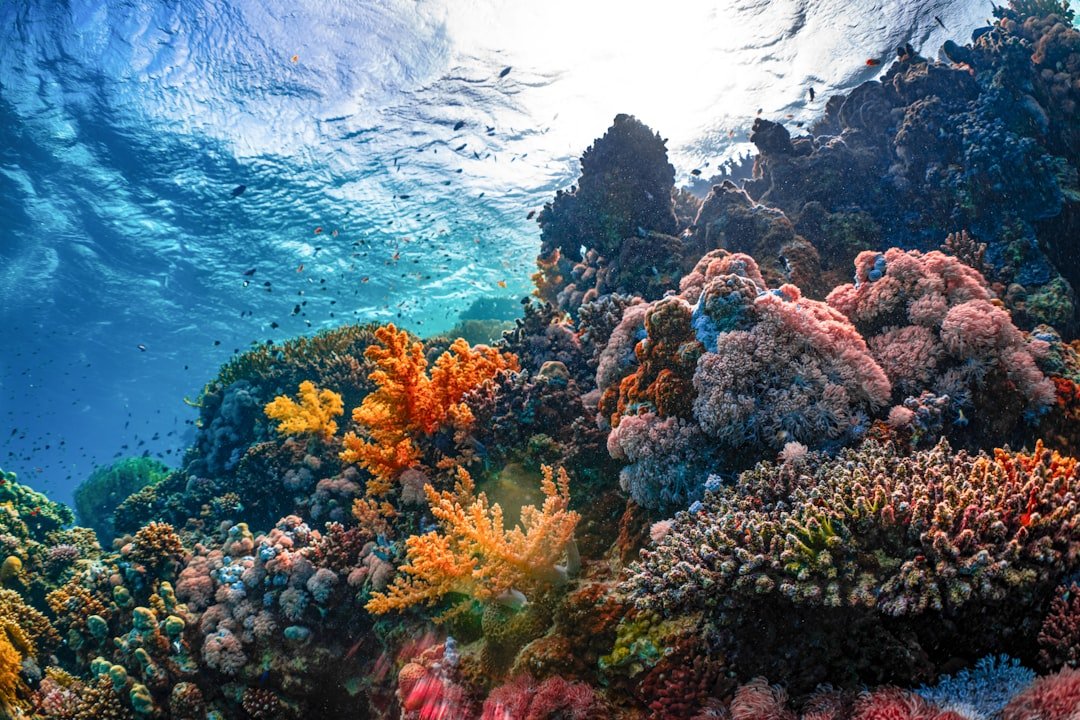
You are packing for a warm-water trip, looking at photos of clear blue water, and wondering whether your first few ocean dives will feel relaxed or overwhelming. The best caribbean diving spots beginners can enjoy are places where easy shallow reefs, modest currents, short boat rides or simple shore entries, and patient local operators line up on the same day. That combination matters. A famous reef can still be a poor choice when wind, surge, current, or your comfort level says otherwise.
For a newly certified diver, the most useful target is usually a reef that begins around 15 to 30 feet and stays within your training and dive plan, with an uncomplicated descent and plenty of daylight. Keep it simple. A shallow profile gives you time to settle your breathing, check buoyancy, and notice the reef rather than staring at gauges for the whole dive. Your certified instructor or dive operator should make the final call on site choice, especially if this is your first time diving in the ocean.
What makes the best caribbean diving spots beginners friendly
Easy shallow reefs are only one part of the decision. Good beginner destinations also have protected sides of an island, reliable access to rental gear, operators willing to run conservative dives, and enough alternate sites that one windy day does not cancel your whole plan. Weather shifts fast. Caribbean water can look calm at breakfast and pick up surface chop later in the day, particularly on exposed coasts.
Ask an operator a few direct questions before you book: what depth do they normally plan for a new ocean diver, whether the site has current, how entries work, and what happens if conditions change. Ask plainly. A good answer is specific, such as a sheltered reef with a 20-foot start, a guided descent, and a maximum depth adjusted to the group. Be wary of anyone who promises every dive will be easy regardless of weather.
Also look beyond water temperature. Warm water reduces one source of stress, but a poorly fitting mask, unfamiliar boat routine, or rushed giant-stride entry can still make a simple dive feel busy. If you have not dived for several months, schedule a refresher or check dive with a certified professional before heading to a reef. It is time well spent.
Bonaire for shore diving flexibility
Bonaire is often near the top of beginner Caribbean shortlists because many marked shore sites give divers a straightforward way to build a relaxed schedule. The island’s leeward coast is generally sheltered, and reefs commonly start in relatively shallow water before sloping deeper. That is useful. You can make a conservative reef dive without committing to a long boat run.
The tradeoff is that shore diving has skills of its own. You may need to manage a rocky or uneven entry, carry gear farther than expected, navigate back to the exit, and watch your footing while waves move around you. A shore entry is not automatically easier than a boat dive. Choose a guided orientation dive first, use sturdy boots rather than thin-soled slippers, and ask which entry is calmest that morning.
For a beginner plan, pick one site with a sandy or gently graded entry and stay shallower than the reef drop-off. Take your time. A simple 45-minute dive around 25 to 35 feet can offer more useful practice than chasing a deep wall. Bonaire also suits buddies with different experience levels because a local guide can select a profile that keeps newer divers comfortable while leaving plenty to see.
Grand Cayman for calm boat diving
Grand Cayman is a solid choice for divers who would rather let a boat crew handle the logistics of getting to the reef. Many operators run short trips to protected west-side sites when conditions allow, and the island has a long-standing dive tourism setup with rental equipment and guided groups. The water often looks inviting. Still, request a genuinely shallow site rather than assuming every well-known wall dive is ideal for a new diver.
Wall systems are the island’s headline attraction, but beginners do not need to descend the wall to enjoy them. A guide can keep the group on the shallow reef top, where coral structures, fish life, and stable visual references make buoyancy practice less intimidating. Stay over the reef. Going deeper adds gas consumption and narrows the margin for small problems without automatically improving the dive.
Grand Cayman can cost more than some other Caribbean destinations once accommodation, meals, and dive packages are added. Prices vary by season and region. Compare the full trip cost, then check whether the quoted package includes marine park fees, equipment, transport, and a guide. A lower advertised boat rate can be less useful if it leaves out the things a newer traveler actually needs.
Curaçao for a slower reef schedule
Curaçao has many leeward-side bays and shore-accessible reefs, which can work well for beginners who want warm water and a less rushed daily rhythm. Several dive areas have a beach or protected cove before the reef, so you can make a controlled surface swim and descend after settling down. Small details count. A sheltered bay can make mask clearing and pre-dive checks far less stressful.
Conditions and access vary noticeably between sites, so do not book based on a single map pin or underwater photo. Some entries are rocky, some reefs require a longer swim, and wind can change the comfort level at a beach. Let the local operator select the site after seeing the sea state. If you are traveling with a nondiving partner, Curaçao can also be practical because many dive areas are close to beaches and services.
A useful first-day approach is one guided morning shore dive followed by an easy afternoon break, rather than cramming in multiple unfamiliar dives right after a flight. Hydrate normally. Avoid alcohol around diving, rest well, and follow the operator’s guidance on flying after diving. If you feel congested, unwell, or unable to equalize comfortably, stop and speak with a certified instructor or a doctor rather than forcing the descent.
Roatán for protected reef options
Roatán, Honduras, has a barrier reef close to shore in many areas, and dive operators commonly use short boat rides to reach shallow coral sites. It can be a good match for a beginner who wants guided boat diving without long crossings. The reef is close. That often means more time underwater and less time managing open-water travel.
Roatán is not one uniform diving environment. The island’s windward and leeward exposure, seasonal weather, and the particular dock you leave from all affect the ride and surface conditions. Ask the shop which side they expect to dive, how they group divers, and whether they can pair you with a guide at your pace. A smaller group is often easier for a new diver to follow, but it is not a substitute for staying within your own training and comfort limits.
Pay attention to boat procedures here and everywhere. Learn where to set up equipment, how the crew wants you to enter, where to wait after surfacing, and how they want you to pass up fins or cameras. Listen closely. Those small routines reduce task loading, which leaves more attention for buoyancy, equalization, and your buddy.
U.S. Virgin Islands for familiar travel logistics
St. Thomas and St. Croix offer another practical route for beginners, particularly travelers who value familiar travel logistics and a broad selection of operators. Sheltered bays and shallow reef areas can provide calm introductory conditions, while boat operators can adjust the plan around wind direction. Check the day’s plan. Do not assume a site is mild simply because it is close to a resort or appears shallow on a chart.
These islands can suit a mixed group because there are often snorkeling and beach options alongside diving. That matters if one person is not diving every day. For the diver, ask whether the operator requires a recent-dive check, what documentation they need, and whether they provide weights, tanks, and a guide. Requirements and inclusions differ between businesses, so confirm directly before travel.
Destinations to approach carefully as a beginner
Cozumel has excellent reefs, but drift diving and changing current can make it a better second-trip choice for some newly certified divers. Drift diving is manageable with a proper briefing and guide, yet it adds surface procedures, group-position awareness, and a moving underwater environment. It is different. If you choose Cozumel, tell the operator honestly about your experience and ask for the mildest available drift rather than selecting a deeper or faster site.
More remote islands and exposed reef systems can be rewarding, but weather disruptions, long crossings, limited medical infrastructure, and stronger current make trip planning less forgiving. The same applies to sites promoted for sharks, deep walls, wreck penetration, or dramatic current-fed fish action. Save those for later. There is no prize for progressing faster than your skills and comfort support.
How to choose your first Caribbean dive day
- Book the first dive with a guide. Make that clear when reserving. A guide can help with local procedures, navigation, and a conservative site choice.
- Choose a morning shallow reef. Ask for roughly 20 to 40 feet if conditions and your training allow. Early water is often calmer.
- Make a personal comfort check. If your ears are slow to clear, you feel anxious, or the surface looks rougher than expected, say so before entering. Speak up early.
- Keep the profile conservative. Remain with your buddy, monitor gas frequently, and end the dive with a reserve that meets the operator’s plan. Do not chase depth.
- Review after the dive. Note what felt easy and what did not. That makes the second dive a better-informed choice.
As a quick booking example, imagine you have four vacation dive days and fewer than 20 logged dives. Use day one for a shallow guided orientation dive, make day two another easy reef dive, then consider a modestly deeper or more current-exposed site only if the earlier dives felt controlled. Build gradually. Leave the final day flexible for weather, fatigue, or a favorite easy site you want to repeat.
Gear choices that reduce hassle
For easy shallow reefs, well-fitting basics matter more than advanced extras. A mask that seals without excessive strap tension, fins you can walk in safely at the entry, and exposure protection appropriate to the water temperature will do more for comfort than a complicated accessory purchase. Fit first. Rent locally if you are still learning what works, but bring your own mask if you already know it seals reliably on your face.
A surface marker buoy may be required or strongly recommended in some areas, especially for shore diving or drift procedures, but you need training and practice before relying on one. Ask the operator what they provide and what local rules apply. Do not learn deployment alone on a busy reef. A certified instructor can teach the skill in a controlled setting.
Frequently asked questions
Which Caribbean island is easiest for a new diver?
Bonaire and Grand Cayman are frequent first choices because they offer many accessible reef options and established dive operations. Conditions decide everything. Bonaire may suit divers comfortable with guided shore entries, while Grand Cayman may suit those who prefer a crew-managed boat routine.
How shallow should a beginner reef dive be?
There is no universal depth, because certification, recent experience, current, visibility, and your comfort all matter. Many beginners enjoy reefs beginning around 15 to 30 feet. Stay within your certification limits and follow the guide’s plan.
Is shore diving easier than boat diving?
Sometimes, but not always. A calm sandy entry can feel very simple, while a rocky entry with waves can demand more coordination than a boat descent. Ask about the exact entry, exit, surface swim, and navigation before deciding.
Can I dive in the Caribbean right after getting certified?
Yes, if your certification is current and the operator accepts your experience level, but begin with calm, guided, shallow conditions. Start easy. A refresher is sensible if you are rusty, nervous, or have not practiced core skills recently.
Related posts
This article is for general informational purposes only and is not dive training or medical advice. Always train with a certified instructor and consult a doctor before diving if you have any health concerns. Gear specs, pricing, site conditions, and operator schedules change, so verify current details directly with the manufacturer or dive operator.
Disclosure: This post may contain affiliate links. If you click through and make a purchase, we may earn a commission at no extra cost to you. We only recommend gear we’ve researched or genuinely believe in.