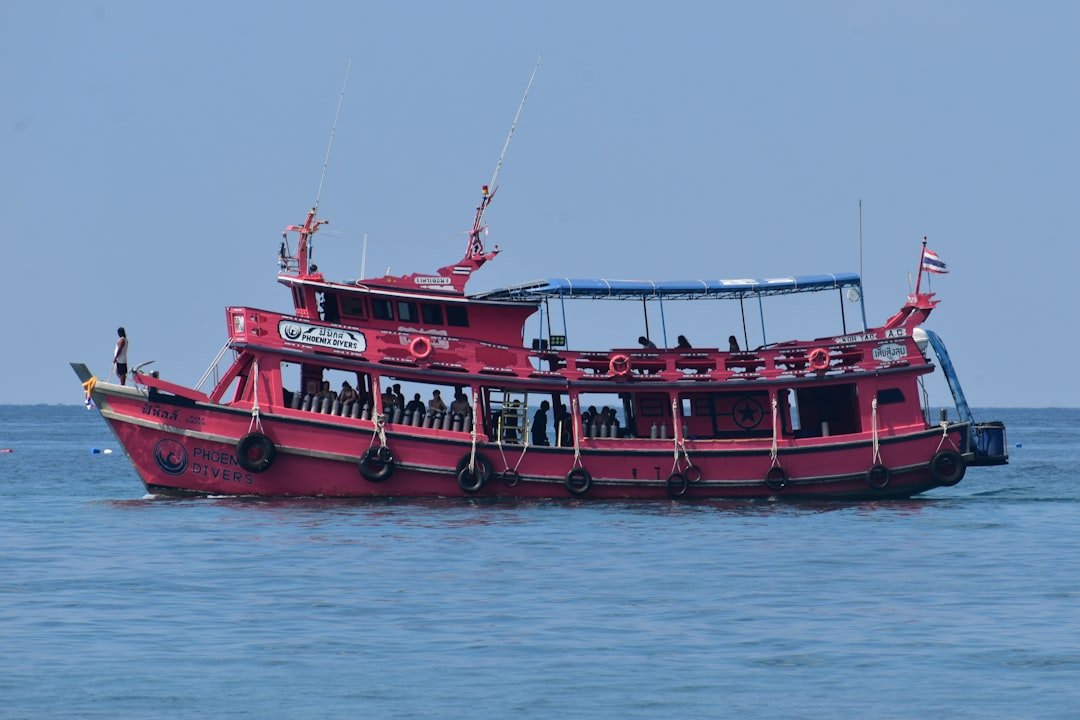
The best liveaboard destinations for beginners on a budget are Egypt’s northern Red Sea routes and Thailand’s Similan Islands itineraries. The best liveaboard destinations for beginners tend to have warm water, repeatable dive profiles, and operators that welcome newly certified divers rather than requiring advanced credentials and a large logbook. Start there.
A liveaboard is rarely the cheapest way to dive for one day, but it can be good value when it replaces hotel nights, restaurant meals, boat transfers, and several separate day-boat trips. You sleep aboard. For a newer diver, the bigger benefit is time: you can settle into your kit setup, practice buoyancy over several dives, and ask the crew practical questions between dives.
Best liveaboard destinations for beginners on a budget
Egypt’s northern Red Sea
Egypt is often the strongest budget choice for a first liveaboard, especially northern routes departing around Hurghada or Sharm el-Sheikh. Conditions are commonly calmer than southern Red Sea itineraries, and many schedules combine shallow reefs with easier wreck exteriors, which gives a new diver variety without making every dive a current or depth challenge. It is a sensible start.
Look for itineraries described as northern reefs, easy reefs, or reef and wreck routes, then read the site list rather than trusting the route name alone. A wreck dive may be suitable when you stay outside and follow the guide, while penetration needs specific training and is not a beginner activity. Stay outside.
Budget liveaboard rates in this area can sometimes sit around US$600 to US$1,100 for a week before flights, rental equipment, tips, park fees, visas, and nitrox. Prices vary by region and season. A cheaper cabin can cost more overall if mandatory fees, equipment rental, or port transfers are added late in the booking process.
Thailand’s Similan Islands
The Similan Islands, usually reached by liveaboard from the Khao Lak or Phuket area, are another practical first-trip option when the season and weather line up. Water is warm. Many operators run shorter two-night or three-night schedules, which is useful if you want to test whether sleeping and diving on a boat suits you before booking a full week.
Some Similan sites have current, and visibility can change quickly, so ask whether the boat has a separate guide group for newer divers and whether the itinerary can be adjusted for conditions. A good answer is specific: group size, expected depth range, and what happens if a guest is uncomfortable at a site. Vague reassurance is not enough.
A shorter Thailand liveaboard may cost less than a week in Egypt, although the per-day price can be higher once transport and park charges are included. It works best for divers already traveling in Thailand, because a long-haul flight solely for a two-night boat trip weakens the budget case. Check the total.
Philippine Visayas routes
The central Philippines can offer a good middle ground for beginners who want warm water and a wide range of reef life without the remoteness of Tubbataha. Routes around the Visayas may combine sheltered reef diving with night dives and gentle slopes, but actual conditions depend heavily on the itinerary, weather, and the boat’s departure port. Read each route closely.
This is not always the lowest-cost choice after international flights, yet it can be good value for travelers spending additional days ashore. Ask about ferry transfers, domestic flights, port fees, and whether the vessel provides tanks, weights, guides, towels, and rental gear. Small extras add up.
Destinations to save for later
Komodo, the Maldives, Socorro, Cocos Island, and many far-southern Red Sea routes can be excellent diving, but they are not automatic beginner picks. Some itineraries involve strong current, blue-water entries, deeper profiles, long crossings, or liveaboard rules that ask for Advanced Open Water certification and recent logged dives. Experience matters.
That does not mean a beginner can never visit those regions. It means you should choose a route designed around your certification, comfort, and recent dive history, then build skills gradually with a certified instructor or trusted dive professional before tackling more demanding conditions. Training comes first.
How to choose a beginner-friendly boat
Do not book based only on destination photos or a low headline rate. Read the operator’s diver requirements, sample itinerary, cabin arrangement, rental inventory, and cancellation terms before paying a deposit. Take your time.
- Choose an itinerary with a typical maximum depth within your certification limit.
- Ask the operator whether beginners are placed in a dedicated guide group.
- Confirm how many divers share one guide underwater.
- Check whether nitrox is optional, included, or unavailable. Do not take a nitrox course only to meet a holiday deadline.
- Ask whether the boat can skip a difficult site when current, waves, or your comfort level changes.
- Confirm the nearest medical support plan and evacuation insurance expectations.
Cabin choice matters more than many first-timers expect. A lower-deck cabin can be quieter but may feel warm or enclosed, while an upper-deck cabin usually has more light and motion. If you get seasick, ask a doctor or pharmacist about suitable prevention before travel. Test remedies before departure.
A realistic first-liveaboard budget
Use the advertised fare as only one line in your budget. For example, a US$850 weeklong trip can become roughly US$1,150 to US$1,450 before flights after adding equipment rental, marine park charges, gratuities, transfers, and a few drinks or onboard purchases. Bring a buffer.
A practical approach is to price two complete trips: one Egypt itinerary and one shorter Thailand itinerary. Add flights, baggage charges for dive gear, insurance, airport hotel nights, all operator fees, and food before or after the boat. The cheaper total is the real budget option.
Rental gear is often the right call for a first liveaboard if airline baggage fees are high or your own setup is incomplete. Bring items that affect personal fit first, such as a mask you have already tested, exposure protection that suits the water temperature, and any prescription lens solution you need. Familiar gear helps.
Before you pay a deposit
Check your certification card, logbook, and insurance documents before booking, not while packing. Some operators require proof of recent diving, a medical questionnaire, or a refresher when you have been out of the water for a while. Their policy controls.
- Match the route’s depth and current expectations to your actual recent experience.
- Email the operator with your certification level and number of logged dives.
- Ask for the full list of included and compulsory charges in writing.
- Book travel insurance that covers scuba diving for the planned depth and location.
- Plan to arrive at least a day before departure when flights or domestic connections are involved.
That final buffer day is money well spent. Missed boat departures can be expensive, and arriving tired after multiple flights is a poor setup for repeated diving, equipment checks, and a first-night briefing.
FAQ
Can an Open Water diver go on a liveaboard?
Yes, many liveaboards accept Open Water divers, but each operator sets its own minimum certification and experience rules. Choose a route with depths and conditions you can manage within your training. Ask before booking.
How many dives should I have before my first liveaboard?
There is no universal number, though more recent dives usually make the trip more relaxed and enjoyable. If your certification dives were a while ago, a local refresher with a certified instructor can rebuild comfort with buoyancy, mask clearing, and basic problem-solving. Fresh skills help.
Is a seven-night liveaboard too much for a beginner?
It can be fine if you are comfortable in the water, sleep well on boats, and the itinerary has easy sites and flexible guiding. A two- or three-night Thailand trip is a lower-commitment option if you are unsure about seasickness or the pace of four dives a day. Start conservatively.
Should beginners pay extra for nitrox?
Only if you already hold the appropriate certification and understand how to analyze cylinders and follow your personal depth and exposure limits. Nitrox can be useful on repetitive dive days, but it does not make deep dives safer or replace conservative planning. Follow your training.
What is the cheapest time to book?
Shoulder-season dates and shared cabins can reduce the fare, but poor weather or rougher seas may make a bargain less enjoyable for a first liveaboard. Compare the total trip price, the operator’s safety approach, and the route’s usual conditions before choosing the lowest number. Value beats a bargain.
Related posts
This article is for general informational purposes only and is not dive training or medical advice. Always train with a certified instructor and consult a doctor before diving if you have any health concerns. Gear specs, pricing, site conditions, and operator schedules change, so verify current details directly with the manufacturer or dive operator.
Disclosure: This post may contain affiliate links. If you click through and make a purchase, we may earn a commission at no extra cost to you. We only recommend gear we’ve researched or genuinely believe in.