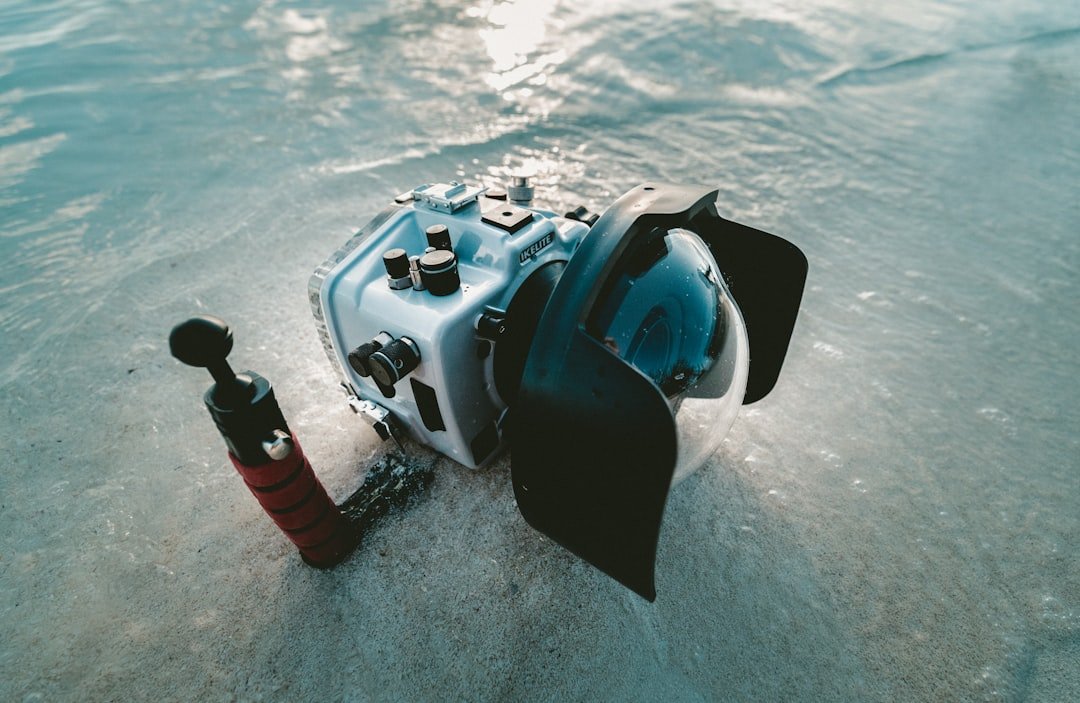
The best underwater housing for GoPro for most recreational divers is GoPro’s own Protective Housing because it is simple, widely available, and rated for typical sport-diving depths. For divers who need to change settings underwater, the best underwater housing for GoPro may instead be a touchscreen-capable Divevolk case or a deeper-rated aluminum model.
A camera housing is more than a clear box around an action camera. It controls whether you can reach the shutter, see the rear screen, mount filters, attach lights, manage leaks, and use the camera confidently while wearing thick gloves in current.
GoPro cameras have useful water resistance on their own, but that does not make them a substitute for a dedicated housing on scuba dives. The camera’s bare-water rating is intended for shallow water use, while a housing adds depth capability and another physical layer between salt water and the camera. Check the camera manual for the rating of your specific model.
Best underwater housing for GoPro at a glance
The right choice usually falls into one of three categories: an official plastic housing for uncomplicated dives, a touchscreen housing for frequent setting changes, or an aluminum housing for deeper diving and a more serious lighting setup. None is automatically better; the appropriate choice depends on the planned depth, water temperature, and how often you need to alter settings.
| Housing type and example | Typical depth class | Control approach | Best fit | Main trade-off |
|---|---|---|---|---|
| GoPro Protective Housing | About 60 m / 196 ft | External mechanical buttons | Recreational divers wanting a straightforward option | No access to the touchscreen |
| Divevolk SeaTouch touchscreen housing | Often about 60 m / 196 ft, model dependent | Membrane allows touchscreen use | Divers who adjust modes, exposure, or settings underwater | Bulkier body and touch use can be less precise with gloves |
| T-Housing aluminum model | Often deeper than recreational limits, model dependent | Mechanical controls | Frequent divers building a tray-and-light system | Higher price and more maintenance responsibility |
| Isotta aluminum housing | Often deeper-rated, model dependent | Mechanical controls | Divers prioritizing machined construction and accessory support | Premium cost and model-specific fit |
The depth figures above are broad product-category references rather than a promise for every version. Manufacturers update housings when GoPro changes its body shape, lens cover, button layout, or battery-door design, so confirm the exact camera and housing pairing before buying.
What to look for before buying
Start with exact camera compatibility, not the product title alone. A listing that says it fits “GoPro Hero” may apply only to a particular generation, and even closely related cameras can have different lens dimensions or controls that prevent a proper seal. Read the compatibility chart.
Next, match the depth rating to your actual diving. A 60 m rating gives a large margin for normal recreational profiles, but it does not mean the housing removes the need to follow your training, computer, gas plan, or local depth limits. A housing is not dive training.
Look closely at how you will operate the camera underwater. Mechanical button housings usually give reliable shutter and power control, but they may limit menu changes; touchscreen housings allow more camera control, although cold water, thick neoprene gloves, dry gloves, and silt can make touch inputs slower.
Lens configuration matters as well. Many GoPro housings use a flat front port, which is useful underwater because it avoids the distorted view produced by a curved air-space port, but a flat port does not restore the wide field of view lost when water changes how the lens sees. Position lights away from the lens axis when possible to limit backscatter.
Check mounting options before committing to a housing. A basic folding-finger mount works for a hand grip, while a housing with a tray, ball mounts, or accessory brackets makes it easier to position video lights away from the lens and reduce backscatter in plankton, sand, or suspended particles.
Comparison of top models
GoPro Protective Housing
GoPro’s Protective Housing is the sensible baseline for a current compatible Hero camera. Published product information for recent versions has generally listed a 60 m / 196 ft depth rating, a replaceable-style protective body, external button controls, and the standard GoPro mounting fingers underneath. It is commonly the least expensive option in this comparison, with pricing often around US$50 before regional taxes and retailer discounts.
You can record, stop recording, and use assigned buttons, but you cannot casually tap through the rear menu underwater. Set resolution, lens mode, stabilization, white balance, and quick-capture preferences before entering the water, then test the closed housing on land. In return, the compact shape is easy to clip to a tray, lanyard, or compact handle, and replacement parts and compatible mounts are easier to find than for many niche cases.
Divevolk SeaTouch touchscreen housings
Divevolk’s SeaTouch line takes a different route with a pressure-resistant membrane across the rear of the housing. The concept is appealing for GoPro users who switch video modes, review clips, change exposure compensation, or alter settings during a dive without opening the case.
SeaTouch 4 Max configurations and related touchscreen setups commonly fall in roughly the US$200 to US$300 range before adapters, trays, or shipping, although pricing varies substantially by camera configuration and country. Buy through Divevolk, an authorized dealer, or a specialist underwater-imaging retailer, and confirm in writing that the listed configuration supports your exact GoPro model rather than assuming that a phone-oriented SeaTouch package will fit it.
The setup routine matters more here than with a basic button housing: confirm the membrane is clean, the screen responds properly, and no trapped moisture creates confusing touch behavior. This type of housing is most useful for divers who genuinely use camera menus underwater; if you normally press record once and leave the camera alone, the additional cost and physical size may not bring a meaningful benefit.
T-Housing aluminum options
Aluminum makes the clearest case when the camera will live on a proper video tray and see repeated use, especially in cold water. T-Housing produces aluminum action-camera housings with deeper published ratings on certain models, larger mechanical controls, and mounting options that can suit that kind of setup.
That does not automatically make one a better purchase for every diver. Compared with plastic cases, aluminum housings add luggage weight, cost more, and need careful fresh-water rinsing around buttons and hinges. For warm-water dives at ordinary recreational depths, a well-maintained official housing can do the practical job with less equipment to carry.
Before ordering, confirm the rated depth, camera generation, port type, included mounts, and replacement O-ring availability with the maker or authorized seller. These details become particularly important on a remote trip if a seal, latch, or control needs replacement.
Isotta aluminum housings
Service access is often the deciding factor with an Isotta housing. Before choosing one, ask where seals, control parts, and factory support are available in your country, because a difficult repair path can erase the value of a beautifully made case.
Isotta is another name worth researching when the goal is a premium machined housing rather than an entry-level protective case. Its action-camera housings are typically aimed at divers who value substantial mechanical controls, deeper-capable construction on applicable models, and integration with more elaborate underwater imaging rigs.
The price gap can be considerable once you add a tray, arms, clamps, lights, filters, and travel protection. That investment is easiest to justify when the GoPro is part of a repeatable shooting setup, rather than an occasional dive-trip camera attached to a mask strap.
Realistic trade-offs underwater
Plastic housings are lighter, cheaper, and easier to pack. Aluminum housings usually provide a more substantial control interface and may have deeper ratings, but they demand more money and careful handling, especially when traveling with an already heavy dive kit.
Touchscreen access sounds essential until you consider actual dive conditions. On a calm warm-water reef with bare hands, it can be convenient; on a cold shore dive with gloves, surge, and a camera mounted on a tray, physical buttons may be faster and less distracting.
A housing also cannot solve the usual GoPro underwater limitations by itself. Water absorbs warm colors quickly, wide lenses push subjects farther away than they appear, and video lights must sit far enough from the lens axis to avoid turning suspended particles into bright snow.
Before every dive, inspect the sealing surface under good light, remove hair and grit, check that the O-ring is clean and correctly seated, and do not use excess lubricant unless the manufacturer specifies it. Close the empty housing carefully, then perform any manufacturer-approved pre-dive leak check.
After salt water, rinse the closed housing in fresh water and press controls while submerged if the manufacturer permits it. Let the exterior dry before opening, because a drop of rinse water falling into the housing can do just as much damage as a leak at depth.
FAQ
Do I need a housing for scuba diving with a GoPro?
For scuba diving, a dedicated housing is the prudent choice even if your GoPro has a stated bare-camera water rating. It provides a deeper operating margin, protects the camera from knocks, and gives you a sealed system designed for underwater use.
Is a 60 m housing enough for recreational diving?
For most recreational diving, yes, because common recreational depth limits are well above normal dive profiles. Your personal limits still come from your training, certification, dive plan, local rules, gas supply, and the conditions, not from the number printed on a housing.
Can I use GoPro touchscreen controls underwater?
Only a touchscreen-specific housing can offer that capability, and results depend on the model, glove thickness, water temperature, and the condition of its membrane. Standard mechanical-button housings do not provide normal touchscreen access once sealed.
Are aluminum GoPro housings worth the extra money?
They can be worthwhile for frequent use, glove-friendly control, deeper-rated applications, and a tray with lights. For occasional vacation diving at standard recreational depths, an official polycarbonate housing often leaves more budget for lighting, spare batteries, filters, and a secure mounting system.
Related posts
This article is for general informational purposes only and is not dive training or medical advice. Always train with a certified instructor and consult a doctor before diving if you have any health concerns. Gear specs, pricing, site conditions, and operator schedules change, so verify current details directly with the manufacturer or dive operator.
Disclosure: This post may contain affiliate links. If you click through and make a purchase, we may earn a commission at no extra cost to you. We only recommend gear we’ve researched or genuinely believe in.