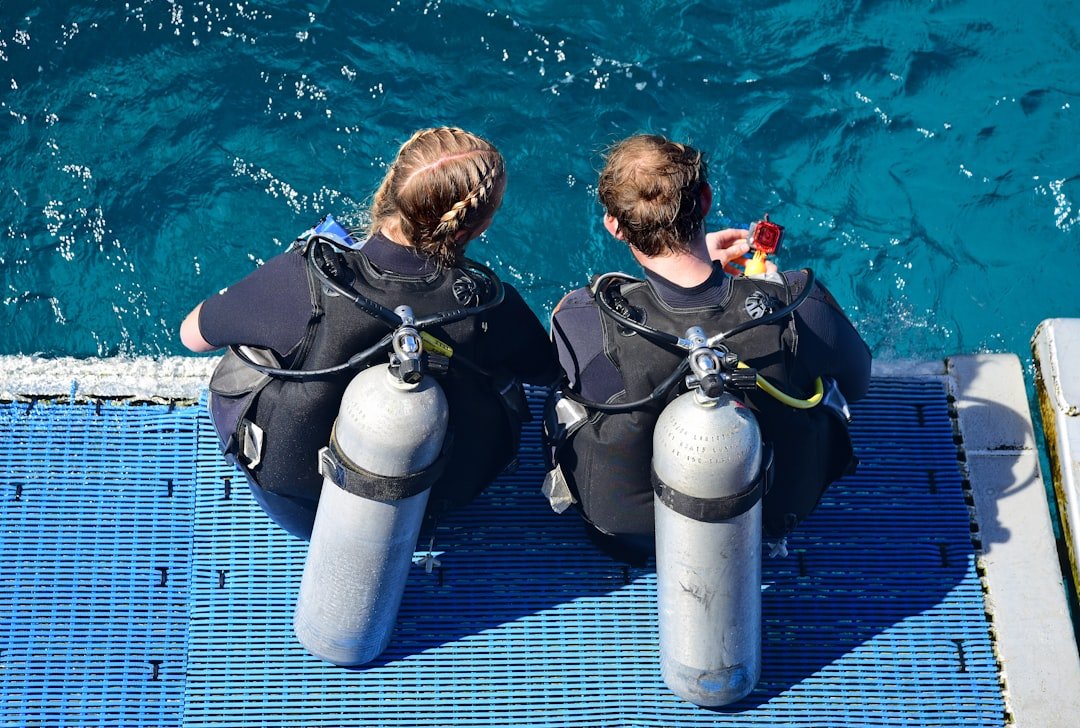
How long is open water certification? For most recreational students, it takes three to four days when the academic work, confined-water practice, and required open-water dives run on consecutive days. Plan for four days. The answer to how long is open water certification changes when you complete eLearning at home, train around a work schedule, or need a weather backup day at a coastal destination.
The course is not simply four dives. You need to understand basic diving theory, demonstrate skills in calm water, and repeat those skills during supervised open-water dives before an instructor can sign off the required performance standards. Go at your pace. A fast course can be perfectly legitimate when you arrive prepared and conditions cooperate, but no responsible operator should rush a student past a skill they have not mastered.
How long is open water certification on a typical schedule
Most entry-level agency programs follow a similar sequence, though exact names, knowledge requirements, and scheduling rules differ by agency and dive center. Start with theory. The table shows the practical timeline I would expect when booking a standard resort or local dive-shop course.
| Course stage | Typical time | What happens |
|---|---|---|
| Digital learning or classroom work | 4 to 8 hours | You cover pressure, equipment basics, dive planning, hand signals, and safety procedures, then complete knowledge reviews or an assessment. |
| Confined-water sessions | 1 to 2 days | You practice setup, buoyancy, regulator recovery, mask clearing, alternate-air use, and controlled ascents in a pool or similarly calm site. |
| Open-water training dives | 2 days | You complete four qualifying dives, usually in pairs across two days, and repeat selected skills in actual open-water conditions. |
| Paperwork and certification processing | 30 to 60 minutes | The instructor verifies completion, submits the certification, and explains any temporary proof of certification your agency provides. |
A common three-day format puts eLearning before arrival, confined-water work on day one, then two open-water dives on each of the next two days. It is efficient. A four-day plan gives more room for skills practice and a missed dive, which is useful if you have not spent much time in the water or are training in colder conditions.
A step by step timeline before certification
First, choose an agency and dive center, then read the course prerequisites before paying a deposit. Check the details. Ask whether the advertised price includes eLearning, equipment rental, pool entry, boat fees, marine park fees, certification processing, and transport to the dive site, because package contents vary by region.
Next, complete the medical questionnaire honestly and early. Some answers may require a physician’s clearance before you enter the water, and that paperwork can change a weekend plan into a later course date. Do not guess. A certified instructor can explain the operator’s process, while a doctor should answer questions about your individual health and fitness to dive.
Then complete the theory material without cramming the night before your pool session. The concepts matter. You will use them to understand equalization, depth limits, no-decompression planning, equipment checks, and why an instructor may cancel a dive when conditions no longer suit beginner training.
After that comes confined water, often a pool but sometimes a sheltered shore area. Expect repetition. Mask flooding and clearing, removing and recovering a regulator, hovering, fin pivots, and sharing an alternate air source can feel awkward at first, particularly in a thick wetsuit or with unfamiliar rental gear. A good session leaves time to retry a skill calmly rather than treating one imperfect attempt as a failure.
The final practical stage is the open-water portion. Four dives are common across mainstream recreational entry courses, with skill demonstrations early in the dives and more time to swim, control buoyancy, and observe the environment once the required work is complete. Conditions decide a lot. Current, surge, low visibility, surface chop, and a long walk to shore can slow the day, even when the dive site looks easy on a map.
What can make the course longer
Weather is the obvious delay. High wind can stop a boat, heavy rain can reduce visibility, and strong current can make a site unsuitable for new divers, so sensible operators keep a spare day when their schedule allows. Do not book your flight home immediately after the final planned dive. You also need to follow your training agency’s guidance on flying after diving.
Your comfort in water also affects the pace. Many agencies include a basic swim and survival-float assessment, and an instructor may add extra pool time if you need it before moving to open water. That is normal. Extra practice is usually cheaper and more useful than forcing a certification timeline that leaves you anxious about the next dive.
Local courses often run over two to four weekends. This suits people with weekday jobs and gives you time between sessions to review theory, but it creates more chances for scheduling conflicts or seasonal weather interruptions. Resort courses compress the same work into a holiday window. Bring your completed eLearning confirmation, swimsuit, sun protection, and any required medical documents on the first morning.
Choose the timeline that leaves room to learn
If you have limited vacation time, finish the academic section before travel and book four available days rather than the bare three. Keep one open. That buffer can cover a delayed boat, ear-equalization trouble, fatigue, or a skill that needs another calm attempt without turning the whole course into a stressful race.
Be cautious with offers that promise certification in an unusually tiny window without explaining how knowledge work and water sessions fit. Ask for the daily itinerary, student-to-instructor ratio, maximum depth planned for training, equipment included, and the policy if weather prevents completion. Clear answers matter. Prices and policies change, so confirm them directly with the operator before booking.
Once certified, you can dive within the training limits and conditions appropriate to your experience, but the card is the beginning of learning rather than proof that every site is suitable. Take local briefings seriously. If cold water, current, drysuit use, altitude, wreck penetration, or other new conditions are involved, get the relevant additional training and dive with an appropriately experienced buddy or professional.
Related posts
This article is for general informational purposes only and is not dive training or medical advice. Always train with a certified instructor and consult a doctor before diving if you have any health concerns. Gear specs, pricing, site conditions, and operator schedules change, so verify current details directly with the manufacturer or dive operator.
Disclosure: This post may contain affiliate links. If you click through and make a purchase, we may earn a commission at no extra cost to you. We only recommend gear we’ve researched or genuinely believe in.