You overcome fear of diving by reducing the unknowns, practicing each skill slowly, and choosing an instructor and site that let you stop when you need to. For anxious beginners, how to overcome fear of diving is rarely about forcing confidence. It is about collecting calm, repeatable experiences until the water feels familiar. Start small.
A little nerves before a first dive are normal. Fear becomes a problem when it makes you hold your breath, rush a skill, freeze, or feel unable to tell your buddy or instructor what is wrong. Those reactions deserve attention. You do not need to “tough it out,” because pressure to continue can turn a manageable concern into a bad experience that makes the next attempt harder.
How to overcome fear of diving step by step
Tell the dive center about your anxiety before you book, not while you are already wearing a wetsuit at the water’s edge. Be specific. Say whether you are worried about breathing underwater, deep water, marine life, equalizing, mask flooding, boats, or losing control. A good certified instructor can adapt the pace of a beginner session, repeat a skill, and explain the plan before you enter. They cannot read your mind.
Ask for a pool, confined-water session, or a very sheltered shore site before a boat dive with current, waves, or a long surface swim. Conditions matter. My own comfort has varied hugely between a quiet sandy entry and a crowded boat deck where everyone seems ready to splash in at once, even when the actual underwater depth was similar. For a first experience, easy entry and clear water remove a lot of unnecessary stress.
Break the day into tiny goals. Your first goal may simply be putting your face in the water while breathing from a regulator. The next could be kneeling in shallow water, clearing a partly flooded mask, or taking a short swim beside your instructor. Stop there if you need to. Confidence usually comes after several uneventful repetitions, not from one dramatic push beyond your comfort zone.
- Arrive early so you can set up without rushing.
- Ask to see each skill demonstrated before you try it.
- Agree on a clear stop or turn-around signal with your instructor and buddy.
- Repeat the skill that worries you until it feels routine.
- End the session after a success, even a small one.
Breathing anxiety is common because a regulator feels strange at first. Keep your jaw relaxed and take slow, ordinary breaths rather than trying to fill your lungs as much as possible. Exhale fully. If you feel air hunger, stop moving, get stable, and signal your instructor instead of swimming faster or pulling at your equipment. Never hold your breath while scuba diving. Your certified instructor should teach and supervise the correct response to any regulator or buoyancy issue.
Spend extra time on mask skills. A little water in a mask can feel alarming, especially if it touches your nose or eyes, but a mask flood is a skill problem rather than an emergency when you are shallow, stable, and with an instructor. Start with a few drops. Then progress to a partial flood and a full clear only when ready. Contact lenses, dry eyes, sinus issues, and a poorly fitting mask can change the experience, so discuss any physical concern with a doctor and your instructor before diving.
Buoyancy control also affects fear more than many new divers expect. When you can pause comfortably, hold a safe position, and descend or ascend only when signaled, the dive feels less chaotic. Take your time. An instructor can check your weighting and trim, but do not add or remove weight on your own as a shortcut for anxiety. Incorrect weighting can make control worse, particularly in a thick wetsuit or unfamiliar water.
Choose gear that reduces distractions
Rental gear is fine for learning, but fit has a real effect on comfort. A mask that leaks constantly, fins that cramp your feet, or a wetsuit that leaves you shivering can occupy all your attention before the dive even begins. Test the mask seal on land without using the strap. A correctly sized wetsuit should feel snug but should not restrict normal breathing or cause pain.
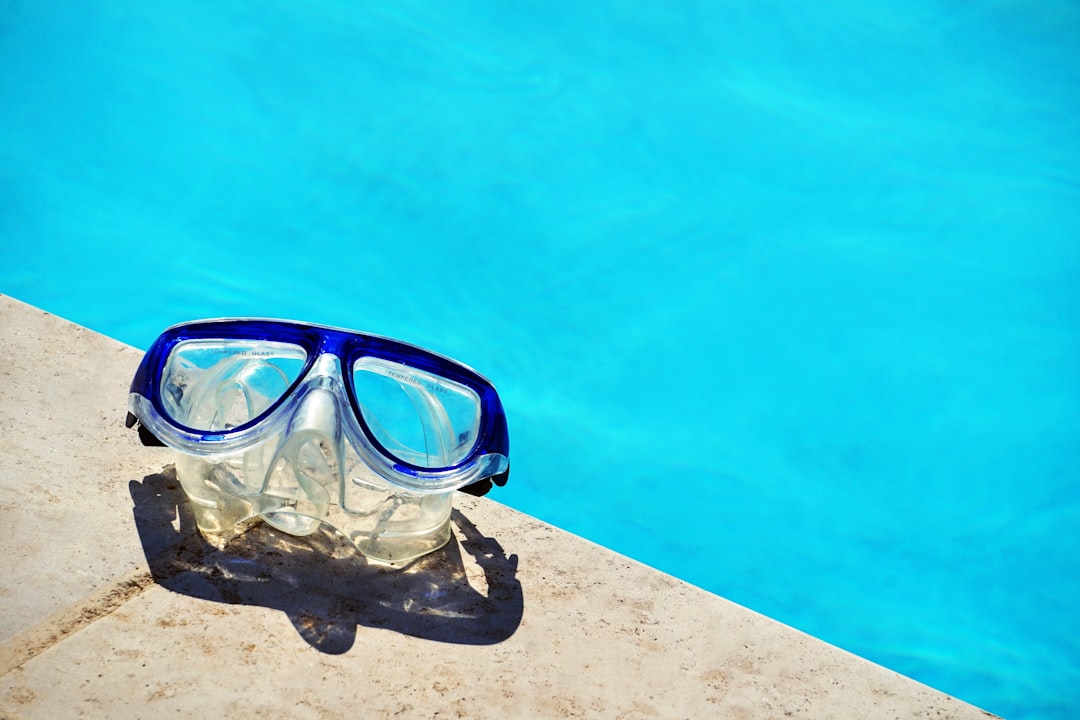
If you buy one item early, a properly fitted mask is often the most useful choice because you can practice with it in a pool and take it on every trip. Keep it simple. I would not buy a large amount of equipment to solve fear before you know what style of diving you enjoy and what fits your body. Rental BCDs and regulators vary, and your instructor can help you understand basic adjustments before entering the water.
Use a written pre-dive plan. Know the maximum depth planned by your instructor, the route, entry and exit, hand signals, how long the session is expected to last, and what happens if you want to end it early. Ask questions. Clear expectations reduce the mental loop of “what if something happens?” because you already know the normal response and who is watching you.
Build comfort between sessions
Do not wait months after one difficult attempt if you can avoid it. A short pool practice with a certified instructor or supervised refresher can reinforce the skills before they fade. Keep the goal modest. Even thirty calm minutes spent breathing on a regulator, hovering, and clearing a mask may do more for confidence than watching hours of dramatic dive footage online.
Before a session, prepare the practical details the night before: paperwork, water, dry clothes, prescription items, and transport. This is not glamorous. It prevents the kind of rushed arrival that leaves you mentally overloaded before the briefing begins. Eat normally if that suits you, stay hydrated, and avoid alcohol before diving. Follow the operator’s instructions if they differ.
Some divers find that simple grounding helps before entry. Name what you can see, feel both feet on the deck or shore, and focus on one slow exhale at a time. Keep your attention narrow. If anxiety escalates into panic, stop the dive before descent or signal to end it with your instructor. There is no prize for completing a dive while distressed.
Be honest after each session. Write down what felt difficult, what helped, and one skill you want to repeat next time. That record can show progress that is easy to miss when you still feel nervous. Fear may not disappear completely. Many experienced recreational divers still respect rough surface conditions, low visibility, or unfamiliar entries, and that caution can support better decisions.
When to pause and get extra support
Pause training if you repeatedly panic, cannot complete basic skills in shallow water, or feel pressured by a friend, partner, schedule, or non-refundable trip. Walk away for the day. A different instructor, smaller class, private session, or calmer site may be a better fit, and prices vary by region, so check the operator’s current options directly.
If fear connects to asthma symptoms, heart concerns, ear or sinus trouble, fainting, severe claustrophobia, panic attacks, medication changes, or another health issue, speak with a doctor who understands diving medicine before continuing. Do not self-assess. A certified instructor can teach dive skills, but they cannot clear you medically or replace individual mental-health support when that is needed.
Frequently asked questions
Is it normal to be scared before a first scuba dive?
Yes, mild nervousness is common. New divers are learning unfamiliar equipment, buoyancy, and underwater communication at the same time. The key is whether you can listen, breathe normally, and communicate with your instructor. If fear makes that impossible, ask to stop and return to an easier step.
Should I force myself to descend?
No. Do not force it. A descent should happen only when you feel stable, have completed the required checks, and your instructor has confirmed the plan. You can end a session at the surface, and choosing that option can be the sensible decision.
Can I learn to dive if I am afraid of deep water?
Often, yes, when you begin in confined or shallow water and progress at a pace you can manage with a certified instructor. Depth fear may remain a limit for some divers. That is okay. You can enjoy many dives without pursuing deeper sites.
Will buying my own regulator make me less anxious?
It may help if familiar equipment makes practice easier, but it is not a cure. Proper fit, routine maintenance, and comfort with the skill matter more than owning a particular model. Try equipment under supervision first, and verify current manufacturer specifications before buying.
Related posts
This article is for general informational purposes only and is not dive training or medical advice. Always train with a certified instructor and consult a doctor before diving if you have any health concerns. Gear specs, pricing, site conditions, and operator schedules change, so verify current details directly with the manufacturer or dive operator.
Disclosure: This post may contain affiliate links. If you click through and make a purchase, we may earn a commission at no extra cost to you. We only recommend gear we’ve researched or genuinely believe in.