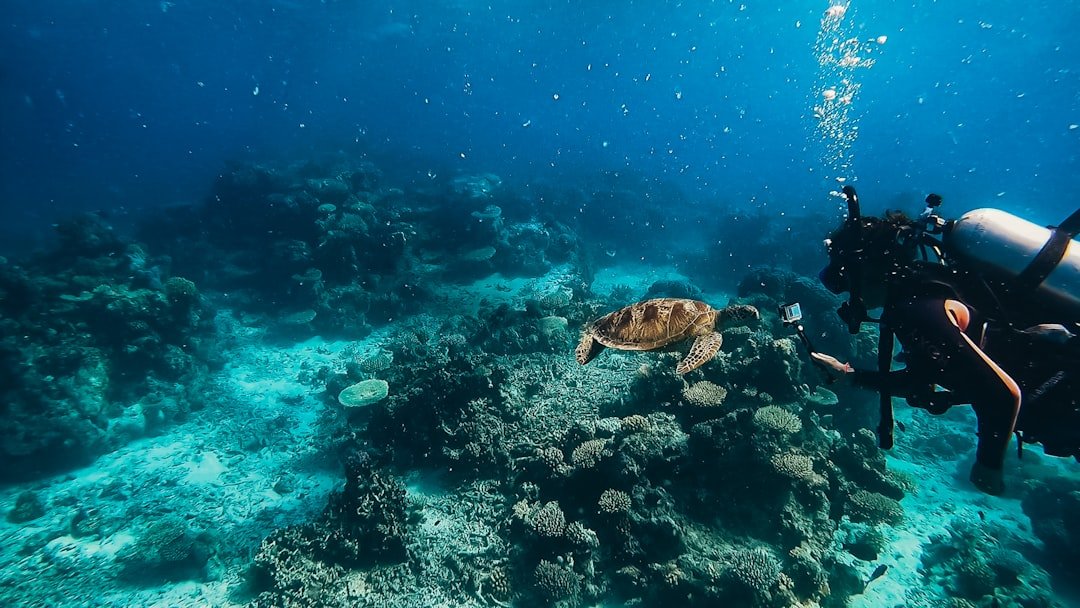
You are on a holiday boat, wearing a wetsuit for the first time, and the water looks calmer than it did from shore. Is scuba diving safe for beginners? Usually, yes, when you complete proper entry-level training, stay within the limits of that training, and choose conditions that match your comfort and skill. The ocean is not automatic. A beginner’s safety comes less from courage or expensive gear and more from slow practice, clear communication, and the willingness to call off a dive.
That last part matters. A certified instructor can teach the skills that make a controlled underwater problem manageable, but no course removes every risk tied to water, pressure, weather, equipment, or individual health. Divers make safer decisions when they treat training as the starting point rather than a box to tick before a vacation.
Is scuba diving safe for beginners in real conditions?
Beginner scuba diving is generally designed around shallow, manageable conditions with an instructor and a small group. Start simple. Many entry-level courses begin in a pool or confined water area, where you can practise breathing through a regulator, clearing water from a mask, recovering a regulator, and controlling your position before open-water dives.
Those skills may look basic on land, yet they are the reason a small annoyance does not become a rush of panic underwater. A loose mask strap, a little water in the mask, or a regulator briefly out of your mouth can feel dramatic during a first dive. Training gives you a repeatable response. Stop, signal, breathe, and use the skill you practised.
Conditions make a major difference. A calm shore entry with clear water and a gentle sandy bottom asks far less of a new diver than a current-prone boat dive, cold water, low visibility, overhead environments, or a site with a long surface swim. A responsible operator will match the plan to the least experienced diver in the group. If the planned site no longer fits you, sit that dive out.
No dive is mandatory. That is a useful rule.
Common safety concerns for new divers
Pressure and ear equalization
Water pressure increases as you descend, which is why divers must equalize their ears early and often on the way down. Never force it. If you feel pain, stop descending, signal your buddy or instructor, rise slightly, and try again only if the discomfort settles.
A blocked nose, cold, sinus irritation, ear infection, or congestion can make equalization difficult or unsafe. Do not rely on a last-minute remedy to push through a dive. Speak with a doctor who understands diving medicine if you have ear, sinus, lung, heart, or other health concerns that may affect diving.
Breathing and ascents
The central scuba rule is simple: breathe continuously and do not hold your breath. Air expands as pressure decreases during ascent, so a breath-held ascent can injure the lungs even in relatively shallow water. Your instructor will explain ascent control and the value of a slow, normal breathing pattern.
Ascend slowly. Follow the plan.
You will also learn to monitor depth, time, and your remaining gas supply. Recreational dive planning includes leaving enough breathing gas for a controlled ascent and a reserve, rather than staying down until the gauge is close to empty. Exact limits depend on the training agency, local rules, the dive plan, and conditions, so use the procedure taught in your course rather than copying a number from another diver.
Panic and task overload
Anxiety is one of the common safety concerns because underwater stress can narrow attention quickly. A beginner may focus so hard on a leaking mask or unfamiliar fin kick that they stop noticing depth, breathing rate, or the buddy’s signals. This is why good courses repeat small skills until they feel less foreign.
Slow down first. Then communicate.
If you feel overwhelmed, stop moving, establish neutral or stable buoyancy as trained, breathe slowly through the regulator, and signal your buddy or instructor. Ending the dive is a valid choice. Trying to prove you can handle discomfort often makes a minor issue harder to manage.
Buoyancy and depth control
Buoyancy control is the ability to hold a stable depth without kicking constantly, dropping onto the bottom, or floating upward. It takes time. New divers often use too much air in their buoyancy device, kick too hard, or forget that breathing changes their position slightly.
Practise in calm water. Keep movements small.
Good buoyancy protects coral, reduces silt, conserves energy, and helps you maintain a safe distance from the surface or bottom. It also makes it easier to stop when your instructor gives a signal. Expect this skill to improve gradually over several dives, not during a single checkout session.
Equipment problems
Scuba equipment is built with backups for key functions, but it still needs correct assembly, inspection, and use. Before entering the water, divers normally check that the cylinder valve is open, the regulator delivers air, the alternate air source is accessible, the buoyancy device inflates and deflates, weights are secure, and gauges or computers are working.
Do a buddy check. Do not rush it.
Rental gear is fine for many beginners when it fits well and comes from a reputable operator, but poor fit can create avoidable distractions. A mask that leaks constantly, fins that rub your heels, or a wetsuit that leaves you cold will drain attention. Ask to change ill-fitting gear before the dive, even if the group is waiting.
How training reduces beginner risk
A certified entry-level course teaches more than how to breathe underwater. You learn equipment setup, hand signals, buddy procedures, problem-solving skills, depth and time limits, ascent practices, basic navigation, and how to respond to common equipment issues. The confined-water sessions are where you should make mistakes, ask questions, and repeat a skill until you understand it.
Ask for another practice attempt. That is normal.
Pay attention to how the instructor handles nervous students and changing conditions. You want clear briefings, a manageable student-to-instructor ratio, time to practise, and no pressure to continue when you are cold, distressed, or unable to equalize. Training quality and your own readiness matter more than finishing on the fastest possible schedule.
A certification card does not mean every dive is appropriate. It means you have met the course requirements and should continue diving within the scope of your training and experience. Additional supervised dives, refresher sessions after a long break, and local orientation dives can build comfort without adding unnecessary challenge.
Choose a first dive with safety in mind
For a first open-water experience, look for warm or suitably protected water, mild current, good visibility for the site, a straightforward entry, and a shallow profile approved for beginner training. A quiet site is easier. Cold water can increase fatigue and gas use, while current can turn a simple navigation plan into hard work.
Read the operator’s current requirements before booking. Some trips require certification, recent dive experience, medical forms, or a check dive. Prices vary by region, and a cheaper trip is not necessarily a poor choice, but safety briefings, maintained rental equipment, adequate staff, and a realistic weather policy are worth checking directly with the operator.
On the day, tell the instructor about concerns before you enter the water. Mention if you have not swum recently, feel anxious, struggle to clear your ears, or are unsure about a piece of gear. Hiding a problem to avoid embarrassment does not help anyone. The crew can often adjust the plan or explain a skill again.
A practical beginner safety routine
Use this sequence before every training or guided dive. Keep it boring. Boring habits prevent rushed mistakes.
- Check your health honestly. Do not dive with congestion, significant ear pain, chest symptoms, severe fatigue, or a condition your doctor has advised against. When in doubt, postpone and seek medical advice.
- Listen to the site briefing. Confirm entry and exit methods, maximum depth, expected current, hand signals, separation procedures, and what to do if conditions change.
- Fit and test your gear. Make sure the mask seals, weights are correct, hoses are routed comfortably, and you can reach the alternate air source and releases.
- Agree on the plan with your buddy. Confirm who leads, how close you will stay, the turn pressure or time, and the signal for ending the dive.
- Descend only when ready. Equalize early, keep your buddy in view, and stop immediately if you cannot clear your ears comfortably.
- Finish conservatively. Follow the planned ascent procedure, make the required safety stop when appropriate to the dive plan, and report any unusual symptoms or equipment issues afterward.
Write down what felt difficult after the dive. A short note about buoyancy, mask clearing, air use, or ear equalization gives you a useful focus for the next session. Most confidence comes from repeated, uneventful dives under conditions that suit your current skill.
When a beginner should skip the dive
Skip a dive if you are ill, congested, unusually tired, dehydrated, unable to equalize, or mentally too distracted to follow the plan. Also skip it when the conditions have changed beyond what you trained for, such as strong current, poor visibility, rough surface conditions, or cold that exceeds your exposure protection and comfort.
There is no shame here. The water will still be there.
After diving, seek urgent medical evaluation for concerning symptoms such as trouble breathing, chest pain, severe dizziness, weakness, confusion, or unusual numbness. Do not assume symptoms will pass because you completed the dive or because someone else feels fine. Diving-related health questions need advice from a qualified medical professional, ideally one familiar with dive medicine.
So, is scuba diving safe for beginners? It can be, provided the beginner is trained, medically fit to dive, properly supervised where appropriate, equipped for the conditions, and willing to make conservative choices. The safest first dives often feel almost uneventful: clear briefing, careful checks, steady breathing, close buddy contact, and an early exit if something does not feel right.
Related posts
This article is for general informational purposes only and is not dive training or medical advice. Always train with a certified instructor and consult a doctor before diving if you have any health concerns. Gear specs, pricing, site conditions, and operator schedules change, so verify current details directly with the manufacturer or dive operator.
Disclosure: This post may contain affiliate links. If you click through and make a purchase, we may earn a commission at no extra cost to you. We only recommend gear we’ve researched or genuinely believe in.